
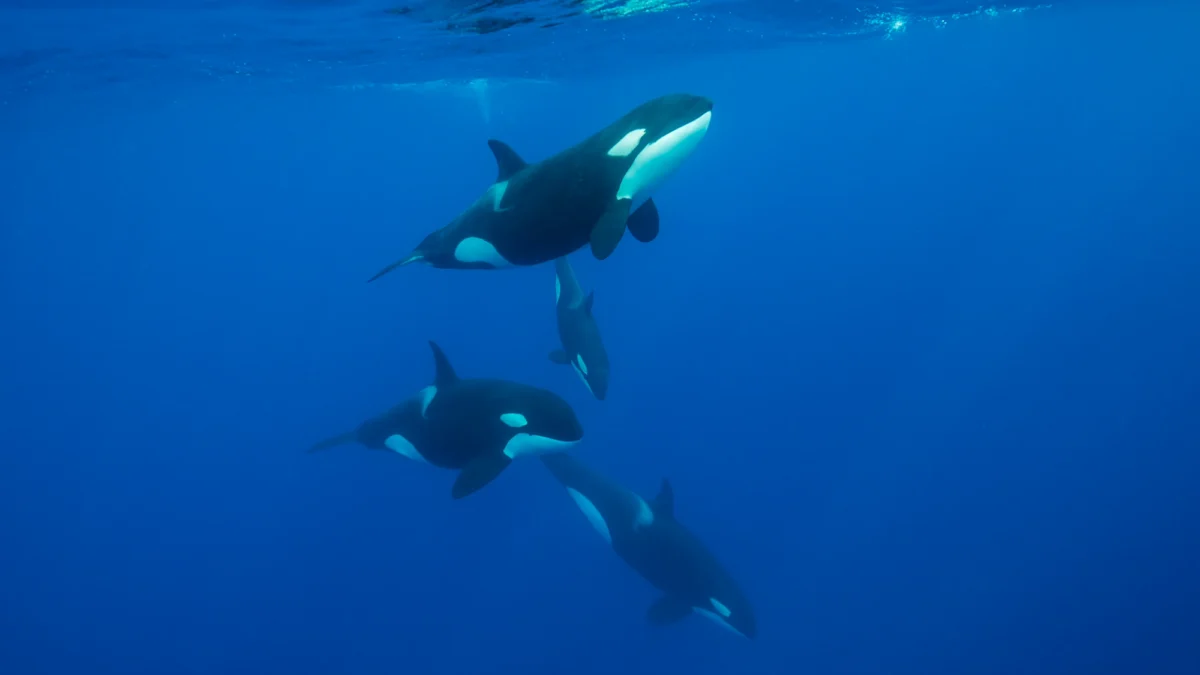
In a remarkable display of predatory innovation, orcas, often hailed as the true rulers of the ocean, have been observed utilizing a sophisticated "hold-and-ram" technique to break apart the formidable bodies of sunfish. This behavior, documented by researchers in the Gulf of California, challenges conventional understanding of orca hunting strategies and offers new insights into their complex social dynamics and feeding ecology. While the cinematic portrayal of great white sharks as apex predators persists, the orca, or killer whale (Orcinus orca), consistently demonstrates a level of intelligence, adaptability, and sheer predatory prowess that solidifies its position at the pinnacle of marine ecosystems. Their hunting methods are diverse and often ingenious, ranging from the dramatic beaching maneuvers employed to capture seals to the mesmerizing herding of fish into dense "bait balls." Now, a new behavior has been added to their repertoire, captured on camera and detailed in a recent scientific study.
The groundbreaking footage reveals a coordinated effort among a pod of orcas to dismember a large sunfish, a species known for its substantial size, with some individuals exceeding six feet in length and weighing over 4,000 pounds. In the observed events, one orca skillfully holds the dead sunfish, preventing it from drifting away. Following this preparatory phase, another orca, exhibiting impressive speed and precision, rams the carcass. The sheer force of this collision effectively fragments the sunfish’s tough tissues into hundreds of smaller, more manageable pieces. This meticulous dismantling process ensures efficient consumption, a stark contrast to the more straightforward predation methods typically associated with large marine mammals.
A Witness to the Unforeseen
Dr. Katy Ayres, a research scientist affiliated with Beneath The Waves and Orcas Mexico, and a guide with Latitude Adventures, was instrumental in capturing the initial footage of this extraordinary behavior. Initially, her focus was on documenting the orcas’ diet and the identification of their prey. "At first, I was just excited because I could see what they were eating and document it," Dr. Ayres shared with Popular Science. "Sometimes it is hard to identify the prey. But then I wasn’t expecting the sunfish to fragment into so many pieces. As it happened, it became clear we were witnessing something special." This unexpected outcome transformed a routine observation into a significant scientific discovery.
The detailed findings of this novel hunting strategy are presented in a study co-authored by Dr. Ayres and published in the esteemed journal Frontiers in Ethology. The research meticulously outlines the observed events, providing a scientific foundation for this fascinating predatory adaptation.
The Sunfish: A Challenging Prey
Sunfish, belonging to the family Molidae, are among the largest and heaviest bony fish species on Earth. They inhabit various oceanic depths but frequently ascend to shallower waters for thermoregulation, rest, or to allow cleaner organisms to remove parasites from their skin. While this surface behavior facilitates vital biological processes, it also renders them more susceptible to predation. In the Gulf of California, orcas have been identified as significant predators of these colossal fish.
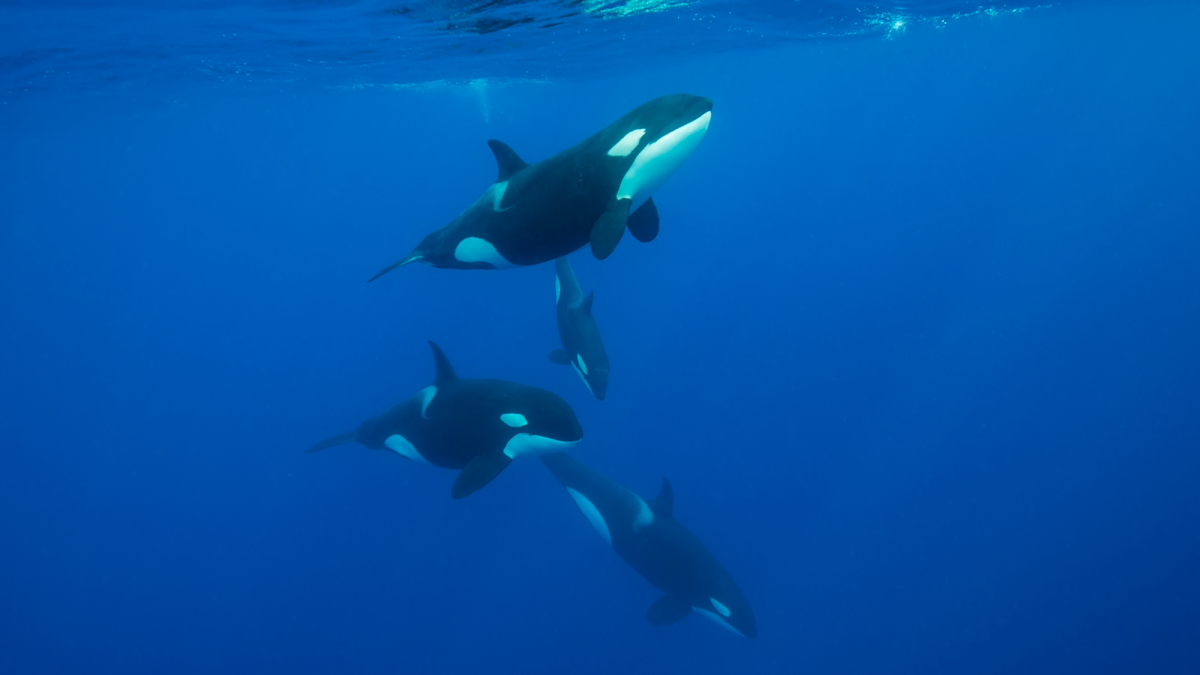
Dr. Ayres elaborated on the orca’s diverse dietary habits in the region: "In general, the orcas here have an incredibly diverse diet. While some groups appear to specialize on certain prey, as a whole, they’ve been documented hunting everything from whales and dolphins to sharks, rays, sea turtles, and of course the largest bony fishes in the world, the sunfishes. They’re still a relatively understudied orca population, so every new observation helps fill in another piece of the puzzle.” The Gulf of California is a critical habitat for several orca ecotypes, each with its unique hunting strategies and prey preferences, making it a rich environment for studying marine mammal behavior.
Chronicle of the "Hold-and-Ram" Events
The current understanding of this behavior is based on two independent observations that occurred approximately one year apart. The first incident took place in July 2024. Dr. Ayres observed a group of orcas, including a juvenile, interacting with a deceased sharp-tail sunfish (Masturus lanceolatus) that the pod had previously subdued. In a meticulously coordinated maneuver, a female orca firmly grasped the sunfish by its tail fin. A male orca then initiated a high-speed approach towards both the female and the held prey. Just moments before the impact, the female released the sunfish, allowing the male to strike the carcass with considerable force. The resulting collision shattered the fish into numerous small fragments. The juvenile orca was then seen consuming these smaller pieces, while the adult orcas fed on the larger remnants of the body, notably eschewing the tiny sunfish fragments.
A strikingly similar event was documented in September 2025 by Héctor Franz. This second observation corroborated the hold-and-ram technique and the subsequent feeding behavior, reinforcing the hypothesis that this is a recognized and potentially common hunting strategy within this orca population. The consistency across these two independent events underscores the validity and significance of the observed behavior.
A Family Meal and Potential Microbiome Exchange
The observed ramming behavior, while not previously documented as a direct predatory technique for killing prey, strongly suggests a sophisticated method for processing carcasses. Given that the sunfish were already deceased in both observed instances, the ramming appears to be a strategy for breaking down the prey into more digestible portions.
"The most surprising part was how coordinated they were," Dr. Ayres emphasized. "One orca held the sunfish in exactly the right position and let go at the perfect moment for the other to strike it with incredible force.” This level of synchronized action highlights the advanced social cognition and communication skills of these marine mammals.
Further analysis of the sunfish’s anatomy reveals potential biological benefits beyond mere efficient consumption. Sunfish possess a gelatinous outer layer, known as a capsule, which houses a diverse array of microorganisms. The researchers hypothesize that the fragmentation of this tissue into tiny pieces disseminates these microbes into the surrounding water. This process could facilitate a crucial exchange between the sunfish’s microbiome and the orcas’ own gut flora. Such "meeting of the microbiomes" could confer significant nutritional advantages or play a role in immune system regulation for the orcas, a concept supported by emerging research into the importance of microbial communities in animal health.

Moreover, the distribution of smaller fragments could be interpreted as a form of parental investment. This behavior aligns with other observed instances where adult orcas facilitate feeding for their young. Dr. Ayres reflected, "It was also really lovely to see the young orca taking advantage of the smaller pieces, which raises interesting questions about whether the adults were making the prey easier for it to eat.” This suggests a potential strategy to ensure the nutritional needs of the younger, less experienced members of the pod are met.
Beyond Necessity: Play and Further Research
While the primary drivers for this behavior appear to be efficient processing and providing for younger individuals, the possibility of play cannot be entirely discounted. Orcas are highly intelligent and social animals, and their behaviors often encompass elements of exploration and enjoyment. The sheer force and precision involved in the ramming could, for these sophisticated cetaceans, represent a form of complex play or even a learned skill passed down through generations.
The unique structural properties of the sharp-tail sunfish’s tissue, which readily disintegrates upon impact, also offer avenues for future research. It is possible that this tissue fragmentation is a species-specific anatomical characteristic that has been exploited by orca predators. Further studies are needed to determine if other sunfish species exhibit similar tissue resilience or susceptibility to this fragmentation.
Identifying individual orcas involved in these events remains a challenge. High-resolution footage capturing distinct dorsal fin shapes and unique eye patch patterns is crucial for accurate individual identification. Such data would allow researchers to ascertain if the same individuals or family groups are consistently employing this hunting strategy, providing deeper insights into social learning and lineage-specific behaviors.
Responsible Ecotourism and Conservation
Dr. Ayres concluded with a poignant message regarding responsible wildlife observation: "Seeing orcas here is a real privilege and a relatively rare experience. Although there are now regulations, we’re seeing an increase in boats searching for them in the hope of getting people in the water and sometimes forcing encounters. I think it’s important that visitors come with realistic expectations and appreciate these animals in their natural environment and not just as an opportunity for a photo or social media post.” The increasing popularity of whale watching, while beneficial for raising awareness, necessitates careful management to ensure the well-being of these magnificent creatures and their delicate ecosystem. The observed hunting behavior, while scientifically fascinating, underscores the importance of minimizing human disturbance in their natural habitats. Protecting these environments is paramount to understanding and preserving the complex lives of the ocean’s true rulers.

