
The acquisition of alphabet knowledge serves as the primary gateway to functional literacy, forming the structural basis upon which all subsequent language skills are built. Educational experts and literacy specialists increasingly emphasize that early mastery of the 26 letters of the English alphabet is not merely a rote memorization task but a complex cognitive process involving visual discrimination, phonemic awareness, and fine motor coordination. To address the diverse needs of early learners, educators have developed a comprehensive suite of 36 activities designed to transition students from basic letter recognition to fluent reading and writing.
The Science of Early Literacy Acquisition
According to Lisa Elaine Peters, an experienced literacy educator and consultant, the proficiency with which a child navigates the alphabet directly predicts their future academic success. "Before children can become confident readers and writers, they need to recognize letters, connect them to their sounds, and be able to quickly recall that information," Peters explains. The ultimate goal of these activities is to achieve "automaticity"—the ability to identify letters and sounds without conscious effort. When letter recognition becomes automatic, the brain’s cognitive resources are liberated, allowing the student to focus on higher-level tasks such as word decoding and reading comprehension.
Research supported by the National Assessment of Educational Progress (NAEP) indicates that students who enter the first grade with a strong grasp of letter-sound correspondence are significantly more likely to reach grade-level reading proficiency by the third grade. This "foundational stage" is critical because, as Peters notes, successful early experiences build the psychological confidence necessary for students to take risks in spelling and complex reading as they progress.
Strategic Framework for Alphabet Instruction
Effective alphabet instruction requires more than sporadic lessons; it necessitates a structured, multi-sensory approach. Peters outlines three pillars for successful implementation in the classroom or home environment:
- Integration into Daily Routines: Rather than treating literacy as an isolated subject, educators are encouraged to weave alphabet practice into the fabric of the day. This includes reviewing sounds during morning meetings, reinforcing them during whole-group phonics sessions, and revisiting them during independent center time.
- Multi-Sensory Engagement: Cognitive science suggests that engaging multiple senses—sight, sound, touch, and movement—strengthens neural pathways. Effective activities involve "sky-writing" (large motor movements), tracing (tactile), and vocalizing sounds (auditory).
- Purposeful Learning Goals: While gamification increases engagement, every activity must have a clear pedagogical objective. Teachers must distinguish between activities that focus on letter identification, those that strengthen sound-letter connections, and those that facilitate letter formation (handwriting).
A Chronology of Alphabet Mastery: 36 Core Activities
The following activities represent a curated curriculum designed to support various stages of early literacy development, categorized by their primary instructional delivery method.
Whole-Group Foundational Activities
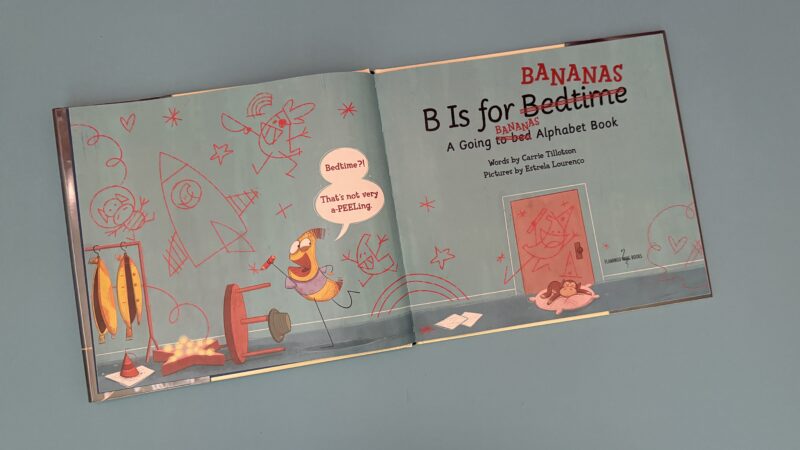
Whole-group instruction allows for shared experiences and peer-to-peer learning. This phase typically begins with Alphabet Read-Alouds, utilizing high-quality literature to introduce letters in a narrative context. This is often followed by the Letter of the Week strategy, a traditional yet effective method that provides deep immersion into a single character’s shape and sound.
To cater to digital natives, Alphabet Videos and animated versions of classic texts like Chicka Chicka Boom Boom are utilized to combine visual stimuli with catchy mnemonic rhythms. For a more cumulative project, classes often create an ABC Book, where students illustrate pages for each letter, reinforcing the connection between symbols and real-world objects.
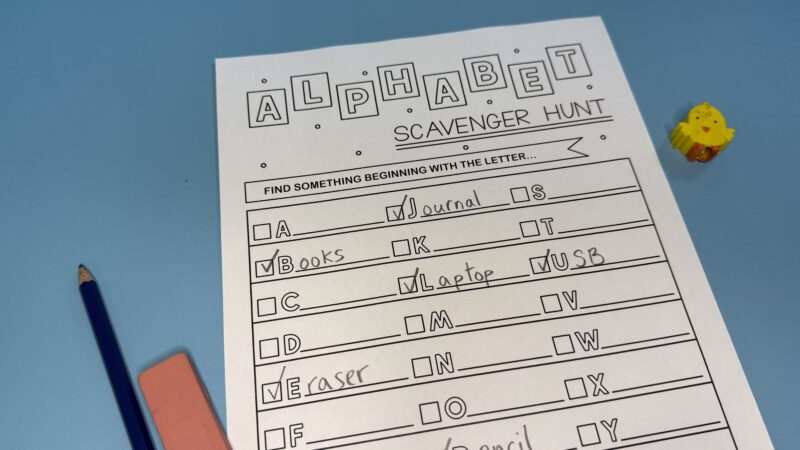
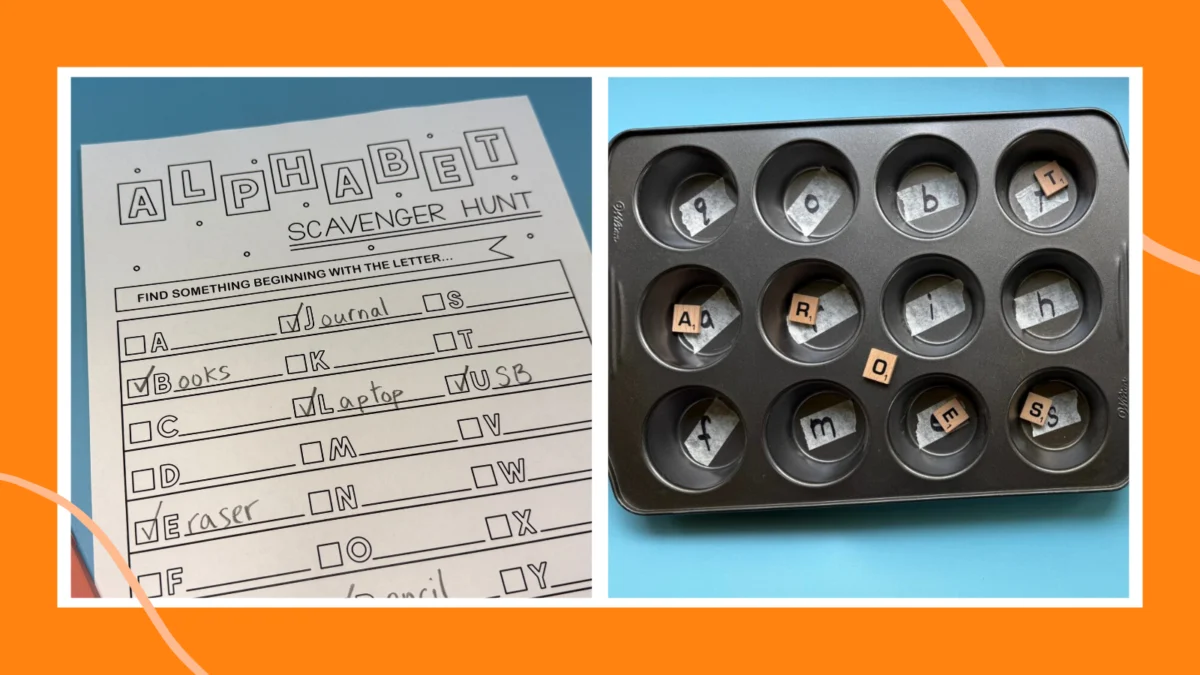
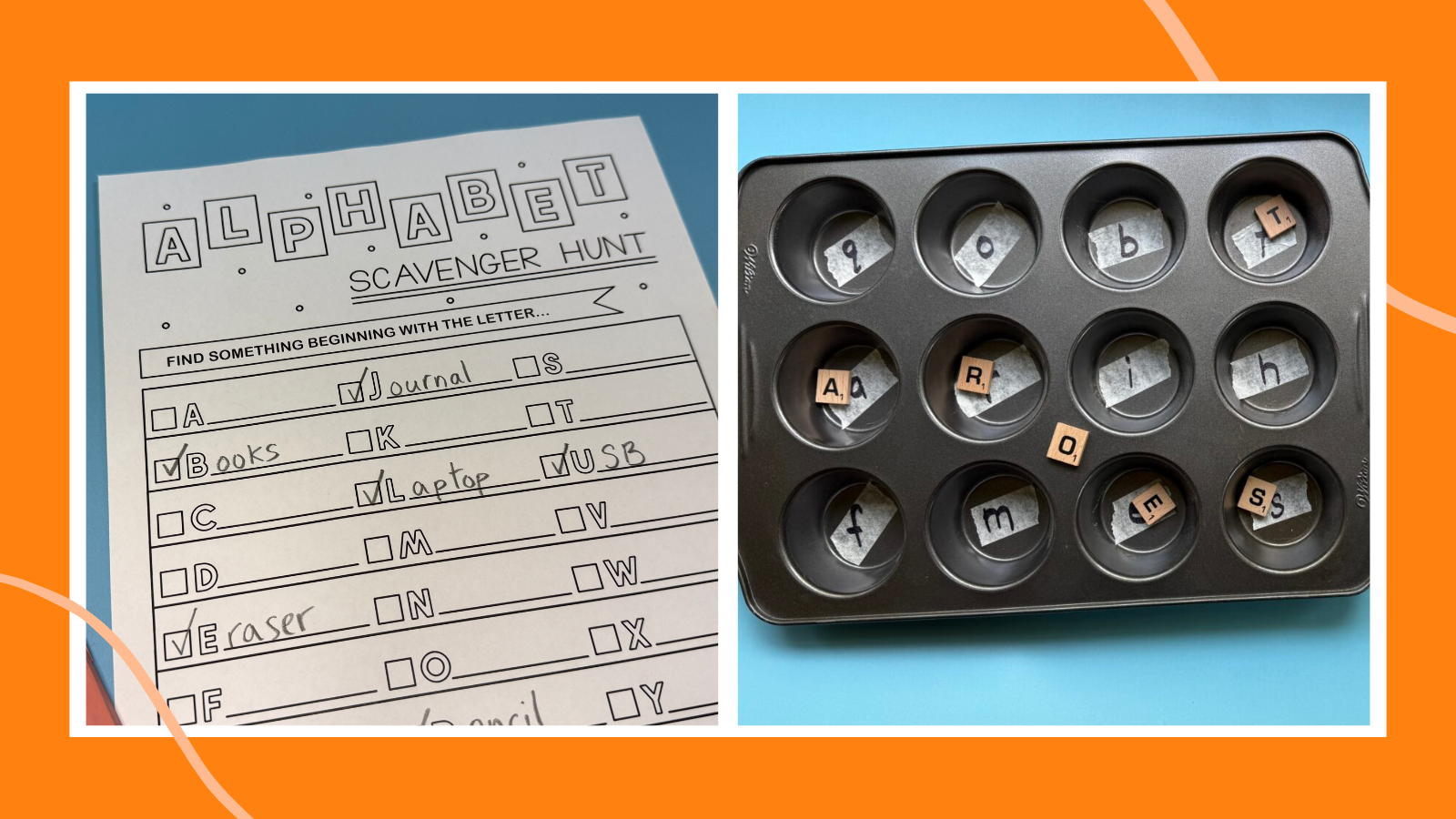
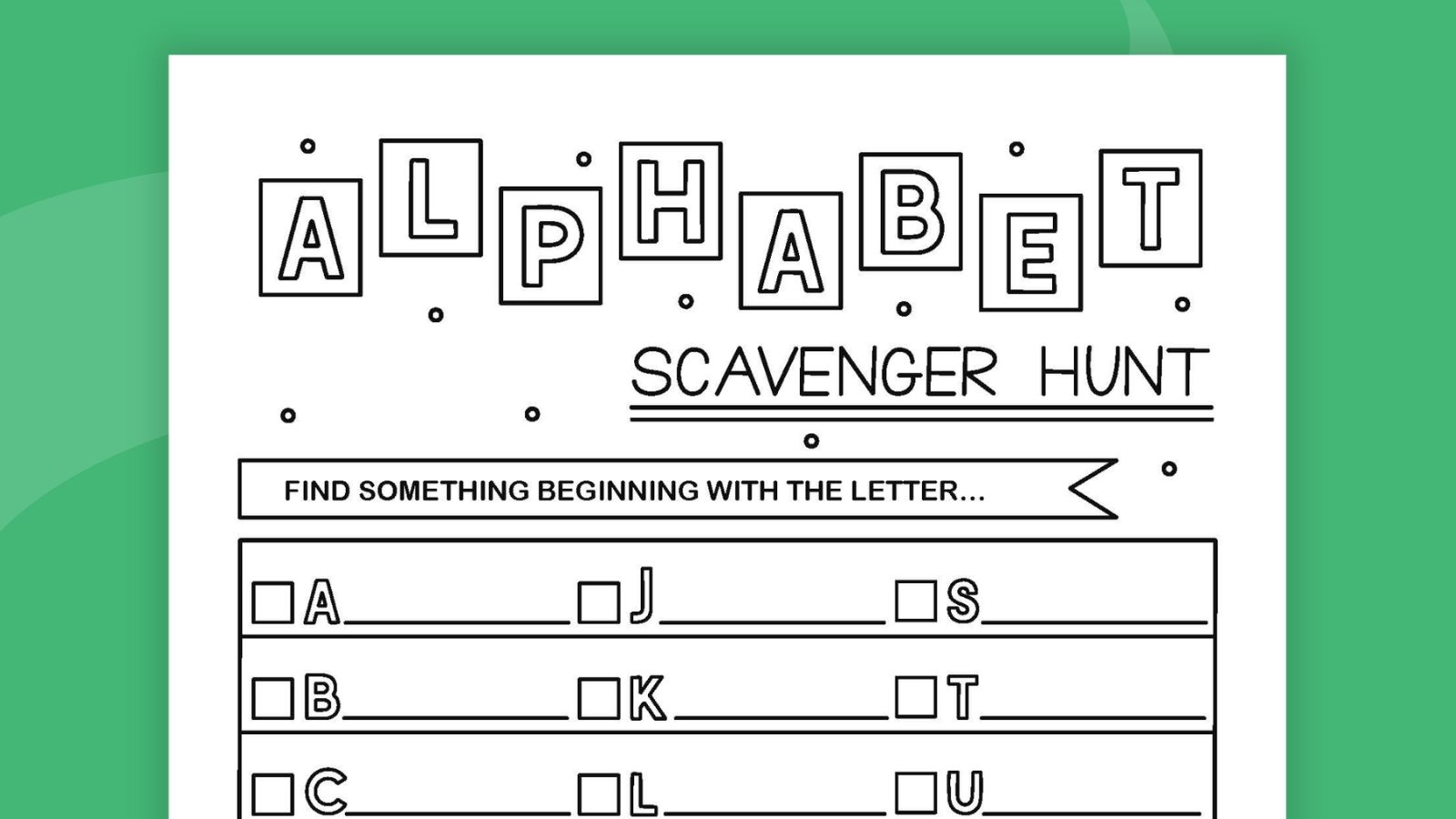
Environmental print is leveraged through the Sticky Note Search, where students find hidden letters around the classroom and add them to a communal poster. Similarly, the Alphabet Scavenger Hunt encourages students to pair up and locate objects starting with specific sounds, fostering collaboration and vocabulary expansion. One of the most sensory-rich whole-group activities is Spice Writing, where students trace letters in trays of cinnamon or salt, engaging the olfactory and tactile senses simultaneously.
Gamified Learning and Social Interaction
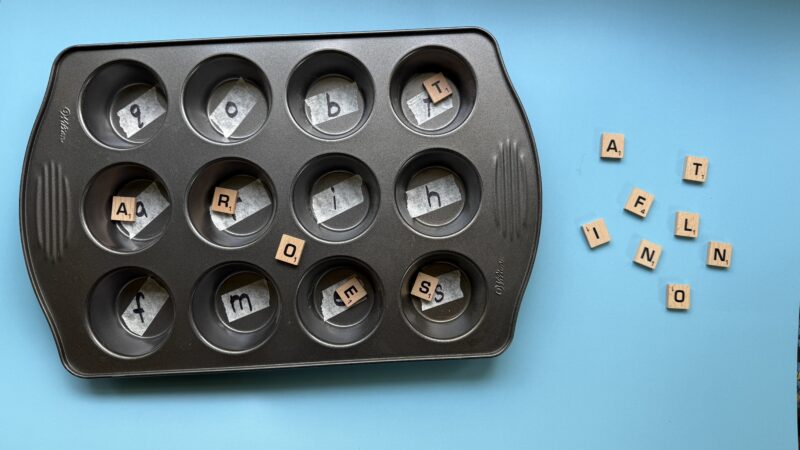
Gamification reduces the anxiety associated with learning new symbols. In Roll and Match, students use alphabet tiles to match uppercase letters to lowercase counterparts in sectioned trays. Alphabet Soup utilizes spoons and plastic letters to help students "scoop" and identify letters found in their own names. For competitive engagement, Letter Slap challenges students to quickly identify letters closer to the beginning of the alphabet, improving visual discrimination speed.
Kinesthetic and Movement-Based Instruction
Movement-based activities are essential for students with high kinesthetic needs. Line Up requires students to physically organize themselves in alphabetical order based on cards they are holding. The ABC Floor Mat allows for "hopping" to called-out letters, while Sky Writing uses large arm movements to etch letters in the air, building muscle memory. Animal Movements further reinforce phonemic awareness by asking students to mimic actions like "slithering for S" or "hopping for H."
Center-Based and Tactile Exploration
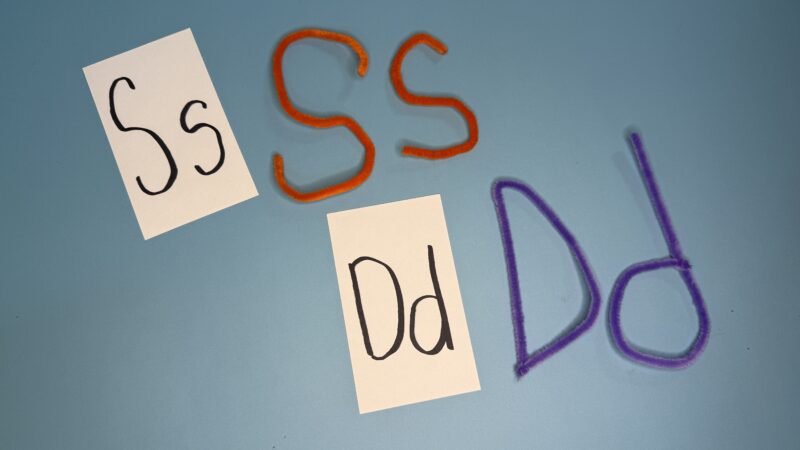
Learning centers provide opportunities for small-group or independent exploration. Alphabet Hide-and-Seek involves burying plastic letters in sensory bins filled with sand or rice. Uppercase/Lowercase Match using butter beans or similar manipulatives helps students understand the dual nature of the alphabet. Alphabet Beads and Pipe Cleaner Letters focus on fine motor skills and letter formation, as students must manipulate small objects to create specific shapes.

Tactile engagement is furthered through Shaving Cream Letters, a popular activity where students "draw" on desks covered in foam. Sponge Letters allow for artistic stamping, while Egg Letter Matches utilize plastic eggs to connect uppercase and lowercase halves. Finally, Loose Parts Letters (using pebbles or bottle caps) and Stamped Letters (using play dough) offer creative outlets for recognizing and forming characters.
Independent Practice and Handwriting Mastery
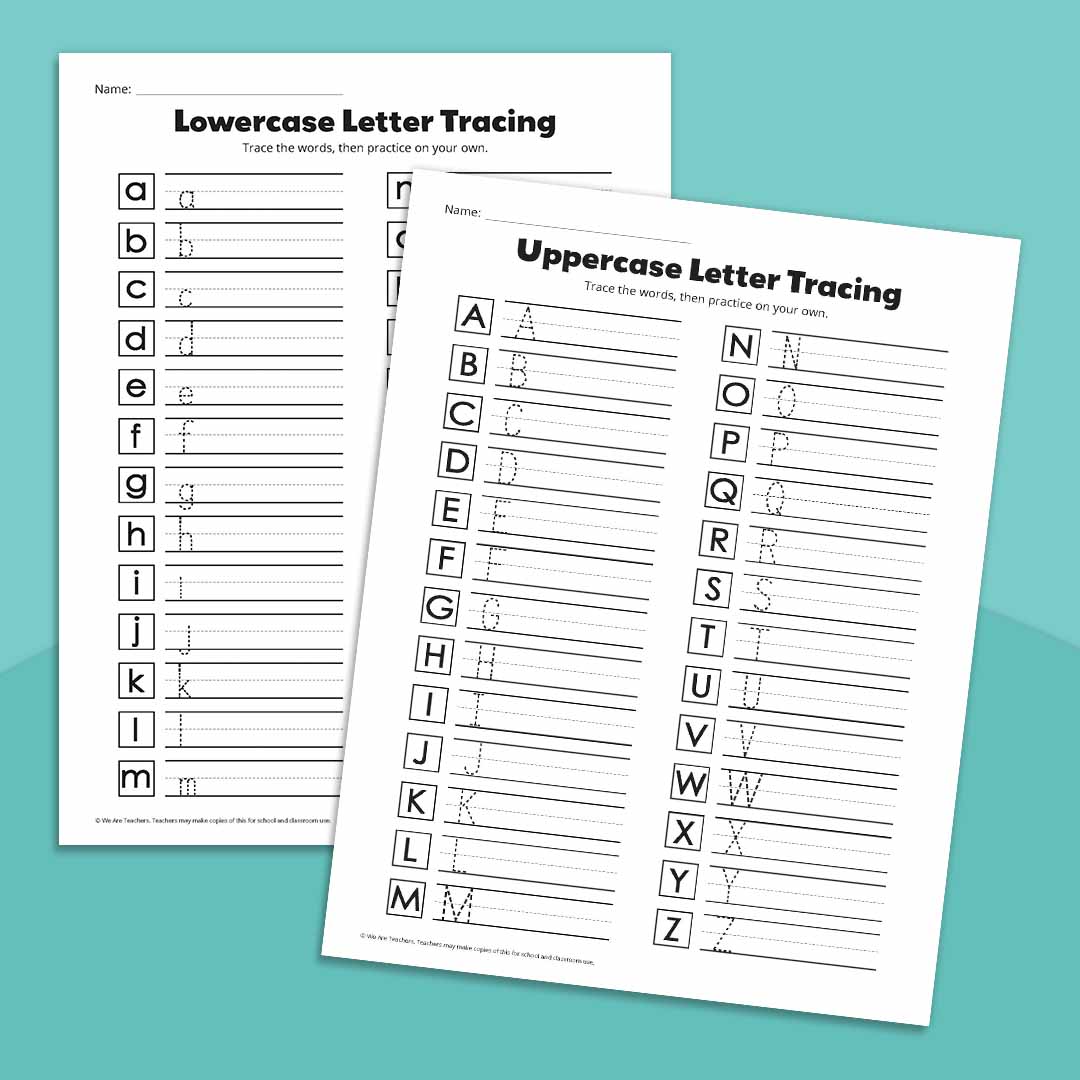
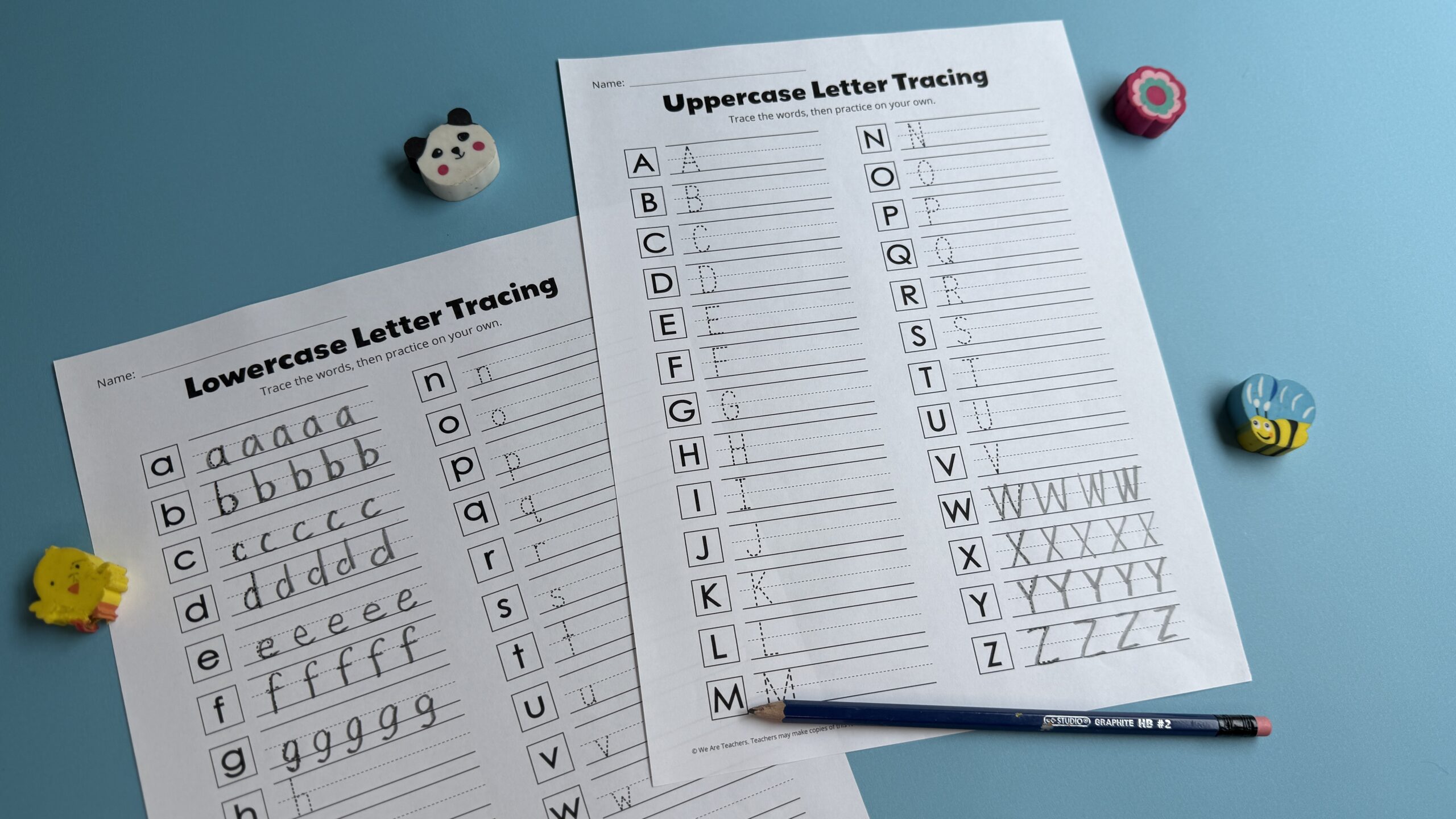
For independent work, Alphabet Tracing Strips remain the gold standard for teaching proper stroke order and letter formation. Educators also utilize Snap Cubes with printable guides to build 3D letter structures. To improve visual scanning, the Highlight Letters activity asks students to find and mark specific letters within magazines or newspapers. Name Puzzles, where a student’s own name is cut into pieces, provide a personalized connection to the alphabet, fostering a sense of identity through literacy.
Creative and Outdoor Extensions
Creative activities like Cotton Swab Painting and Watercolor Letters (using "magic" white crayons) transform literacy into an art form. The Musical Alphabet adapts the "musical chairs" concept to letter recognition. For students who enjoy construction, Crafty Letter Cards use glue and mixed media (like lentils or pom-poms) to create textured letters. Creative Letter Drawings challenge students to turn an ‘S’ into a snake or a ‘C’ into a moon, bridging the gap between abstract symbols and representational art.
Outdoor activities like Chalk Art and Spray Bottle Letters (where students "erase" chalk letters with water) provide a change of scenery that can re-energize students. Nature Objects collected on walks can be used to form letters on the pavement, grounding the alphabet in the natural world.
Broader Impact and Educational Implications
The implications of robust early alphabet instruction extend far beyond the classroom. Data from the Department of Education suggests a direct correlation between early literacy and long-term socio-economic stability. Children who fail to master the alphabet by the end of kindergarten often face a "cumulative disadvantage," where the gap between them and their peers widens annually—a phenomenon known as the "Matthew Effect" in reading.
Furthermore, in an increasingly digital world, the ability to decode and encode text remains the fundamental requirement for navigating information technology. While digital tools can assist in learning, the physical act of forming letters and the cognitive act of mapping sounds to symbols remain irreplaceable.
The collection of 36 activities provided by educators like Lisa Elaine Peters offers a versatile toolkit for preventing literacy gaps. By choosing the "right" activity—not necessarily the most aesthetically pleasing one, but the one that targets a student’s specific deficit in identification, sound connection, or formation—teachers can ensure that every child builds a stable foundation for a lifetime of learning. As the educational landscape continues to evolve, the consensus remains clear: the journey to complex literacy begins with a simple, yet profound, mastery of the ABCs.

