
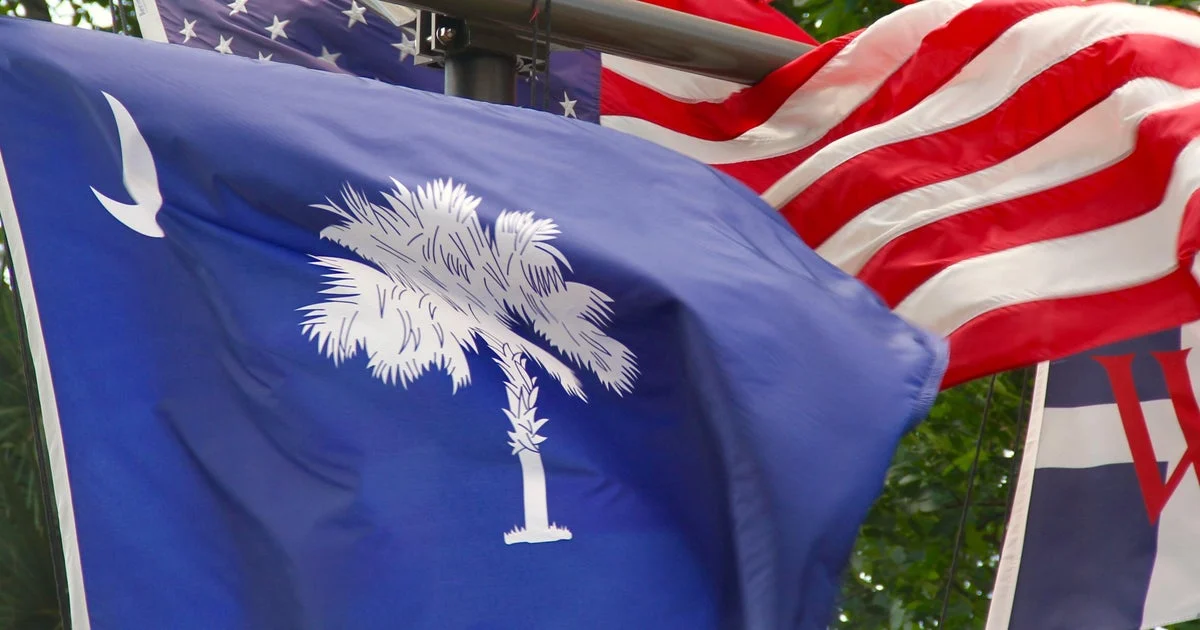
The committee’s vote followed an intense debate between South Carolina and Nevada, the two primary contenders vying for the coveted lead-off position. The discussion centered on a fundamental question for the Democratic Party: should it prioritize its most consistent and loyal voting bloc, primarily African American voters in the South, or focus on the nation’s fastest-growing demographic groups, such as Latinos and working-class voters, which are increasingly crucial for national electoral success? This internal deliberation underscores the party’s ongoing efforts to refine its electoral strategy and build a coalition capable of winning both the nomination and the general election.
The Genesis of a New Primary Order: Lessons from 2024
The current process for selecting early primary states for 2028 is a direct outgrowth of the controversies and lessons learned from the 2024 cycle. In 2022, then-President Joe Biden initiated a significant shake-up of the Democratic primary calendar by sending a letter to DNC leaders. His directive urged them to elevate South Carolina to the first nominating contest, effectively sidelining the long-standing traditions of Iowa and New Hampshire. This move, while ultimately successful in securing South Carolina’s 2024 lead-off status, drew criticism for appearing to circumvent the DNC’s deliberative process and for being a top-down mandate.
Biden’s personal experience heavily influenced this decision. In the 2020 Democratic primary, he famously struggled in the initial contests of Iowa, New Hampshire, and Nevada, facing existential threats to his candidacy. It was his resounding victory in the South Carolina primary, largely propelled by overwhelming support from African American voters, that resurrected his campaign and propelled him to the nomination. This historical context solidified South Carolina’s reputation as a "firewall" for Democratic candidates, particularly those seeking to demonstrate broad appeal within the party’s most loyal demographic.
DNC Chairman Ken Martin has been vocal about ensuring the 2028 calendar selection process is as democratic and transparent as possible, explicitly stating his desire to avoid repeating the "unfortunate ending" of the 2024 selection where the outcome was "dictated to us." Martin’s stance reflects a broader sentiment within the party leadership to reclaim agency over the primary calendar, fostering a process that is seen as fair, representative, and strategically sound, rather than beholden to the preferences of a single individual, even the sitting president. This commitment to a more rigorous and party-led selection process underscores the DNC’s intent to build a durable framework for future nominations.
South Carolina’s Compelling Case: Loyalty, Diversity, and Representation
South Carolina’s advocates presented a powerful case for maintaining its first-in-the-nation status, grounding their arguments in issues of racial justice, voter loyalty, and the defense of democratic principles. In their presentation before the bylaws committee in May, representatives from the Palmetto State highlighted the critical importance of its Black electorate, which forms the bedrock of the Democratic Party’s support in the South. They emphasized that removing South Carolina from its lead-off position now would be a profound "slap in the face" to this crucial demographic.
Christale Spain, Chair of the South Carolina Democratic Party, articulated this sentiment forcefully in May. "This decision is bigger than South Carolina. It’s about whether the Democratic Party will stand with the voters who have stood with the party through everything," Spain stated. She framed the decision as a test of the party’s commitment: "Will Democrats meet this moment by supporting the communities on the front lines of defending democracy, or will the Democratic Party tell their most faithful voters they no longer deserve to lead the primary process?"
A significant part of South Carolina’s argument revolved around recent judicial decisions impacting voting rights. Advocates pointed to the Supreme Court’s decision on the Voting Rights Act and its broader implications for Black representation, particularly in Southern states. They argued that in an era where voting rights and equitable representation are under constant scrutiny and challenge, elevating a state with a substantial and politically engaged Black electorate sends a clear message about the Democratic Party’s core values. Data consistently shows that African American voters are the most reliable and consistent Democratic voting bloc, with turnout rates and party loyalty often exceeding other demographics. For instance, exit polls from the 2020 South Carolina primary showed Biden winning over 60% of the vote, largely thanks to overwhelming support from Black voters, who constituted a significant portion of the electorate. By prioritizing South Carolina, the DNC signals its recognition of this loyalty and its commitment to empowering these key voters.
Nevada’s Bid: A Microcosm of National Diversity and Eroding Support
On the other side of the debate, advocates for Nevada put forth a compelling argument rooted in the state’s unique demographic composition and its potential to serve as a bellwether for national electoral trends. Nevada’s proponents argued that the state most closely represents the diverse coalition of voters Democrats need to win nationally. They highlighted its significant populations of working-class voters, Latinos, Asian American Pacific Islanders (AAPI), and low-propensity voters – groups whose support for the Democratic Party has shown signs of erosion in recent election cycles.
Daniele Monroe-Moreno, Chair of the Nevada Democratic Party, echoed this sentiment during the debate over the proposed calendar order. "Nonpartisan voter registration is the largest voter registration bloc in America now. Why? Because people are mad at both sides of the aisle," Monroe-Moreno observed. She emphasized that as Democrats consider their nomination calendar, "My state, the state of Nevada, is that coalition that we need to win back."
Nevada’s diverse electorate, with a substantial Hispanic population (approximately 30% of the state’s residents), a growing AAPI community, and a significant union presence, offers a unique opportunity for candidates to test their appeal across various demographic and economic lines. The state is often considered a crucial battleground in general elections, making its early primary status particularly attractive for candidates looking to build a national winning strategy. The argument was that by engaging with these diverse and sometimes wavering voter blocs early, the party could better understand and address their concerns, thereby shoring up support necessary for victory in competitive national races. The ability to connect with and mobilize these groups, especially those showing "low-propensity" to vote, is seen as vital for the party’s long-term health and electoral success.
The Broader Calendar: Expanding Reach and Strategic Engagement
While the South Carolina vs. Nevada debate captured much of the attention, the Rules and Bylaws Committee also deliberated on the broader sequence of early primary states for 2028. Although the full list of states and specific dates will be formalized next month, the committee’s recommendations signify a strategic expansion of the party’s early engagement map.
Christale Spain, in an interview after Friday’s meeting, pointed to the inclusion of New Mexico as a significant development. She told CBS News that the calendar "expands our map in a way that I don’t think we’ve ever even imagined that we could by adding New Mexico." Spain emphasized that this addition "adds a plethora of opportunities to engage with the Latino community." New Mexico, with its nearly 50% Hispanic population, offers a distinct and vital platform for candidates to connect with one of the nation’s fastest-growing and politically influential demographic groups. This move is seen as a direct response to the concerns raised by Nevada advocates about the need to engage with diverse and growing communities.
The proposed calendar, therefore, appears to be a carefully constructed compromise, aiming to balance the imperative of honoring loyal voting blocs with the strategic necessity of reaching out to emerging and diverse electorates. By leading with South Carolina, the DNC reinforces its commitment to its African American base. By including states like New Mexico in the early window, it broadens its appeal and creates pathways for candidates to demonstrate strength across a wider spectrum of the American populace. This approach aligns with the DNC’s stated goal of ensuring a calendar that both reflects the party’s values and maximizes its potential for winning future elections.
Crafting a Robust Process: DNC’s Vision for 2028
DNC Chairman Ken Martin has consistently articulated a vision for the 2028 primary calendar that prioritizes rigor, fairness, and strategic foresight. He has stressed that the committee’s objective is to set a calendar that ensures presidential candidates are thoroughly "battle-tested" through a demanding but equitable process. This "battle-testing" involves more than just winning votes; it entails demonstrating the ability to build diverse coalitions, articulate compelling policy platforms, and resonate with voters from various backgrounds and regions.
Furthermore, Martin has emphasized the importance of cost-effectiveness. Running a presidential campaign is an incredibly expensive undertaking, and the DNC aims to create a primary schedule that does not become prohibitively costly for candidates, allowing a broader range of individuals to compete effectively before the general campaign begins. An overly front-loaded or geographically disparate calendar can disproportionately benefit candidates with vast financial resources, potentially limiting the field and undermining the democratic nature of the primary process.
Ultimately, Martin summarized the committee’s overarching goal: "What we did was about making sure we’re in the best possible position to win. But it’s also setting down a marker of where our values are, what our party stands for, and most importantly, who we’re fighting for." This statement encapsulates the multifaceted nature of the DNC’s decision-making, which balances pragmatic electoral strategy with a commitment to the party’s ideological principles and demographic priorities. The calendar is not merely a logistical schedule; it is a declaration of intent, signaling which voices the party deems most crucial to hear first and which communities it intends to empower at the outset of the presidential nomination race.
Implications and Future Outlook
The DNC Rules and Bylaws Committee’s recommendation for South Carolina to lead the 2028 Democratic presidential primary carries significant implications for the party, its candidates, and the broader political landscape.
Impact on Candidate Strategies: Future Democratic presidential hopefuls will undoubtedly adapt their campaign strategies to this new early-state configuration. Candidates will need to demonstrate strong appeal to African American voters in South Carolina from the very beginning, ensuring their policy platforms and messaging resonate deeply within this crucial demographic. Simultaneously, the expanded early calendar, with states like New Mexico, will necessitate early and sustained engagement with Latino communities, requiring candidates to develop sophisticated outreach programs and culturally sensitive communication strategies. The emphasis on diverse electorates early in the process will likely push candidates to articulate more inclusive policy proposals and to build diverse campaign teams from the outset.
Broader Democratic Strategy: This calendar reinforces the Democratic Party’s long-term strategy of building a winning coalition through diversity. By centering its early contests in states that reflect its core values and key demographic strengths, the party aims to project an image of inclusivity and responsiveness. It also seeks to mitigate the risks associated with relying on states that do not mirror the national electorate, as was often the criticism leveled against Iowa and New Hampshire in previous cycles. The move also highlights the party’s continued efforts to gain ground in the South, even in states that are traditionally Republican-leaning in general elections, by empowering its base there.
Potential Challenges and Next Steps: While the Rules and Bylaws Committee’s recommendation is a strong indicator, the full DNC must still vote on the proposed calendar. While generally expected to pass, internal discussions and minor adjustments could still occur. Furthermore, states that may have lost their traditional early positions, or those that feel overlooked, could express dissent. For example, New Hampshire, which traditionally held the first primary, might continue to grapple with its diminished role in the Democratic primary process, potentially leading to state-level resistance or even symbolic gestures of non-compliance, though such actions primarily affect state party delegate allocations rather than the national calendar.
The 2028 primary calendar is more than just a logistical arrangement; it is a strategic blueprint. It reflects the Democratic Party’s evolving understanding of its electorate, its commitment to diversity, and its proactive efforts to build a winning coalition in an increasingly complex and polarized political environment. The decision to place South Carolina at the forefront, while expanding the early map to include other diverse states, represents a calculated move to strengthen the party’s foundation and prepare its future nominees for the challenges of a national campaign. The eyes of the political world will now turn to Austin, Texas, for the DNC’s summer meeting, where this pivotal recommendation will either be enshrined or face further deliberation.

