
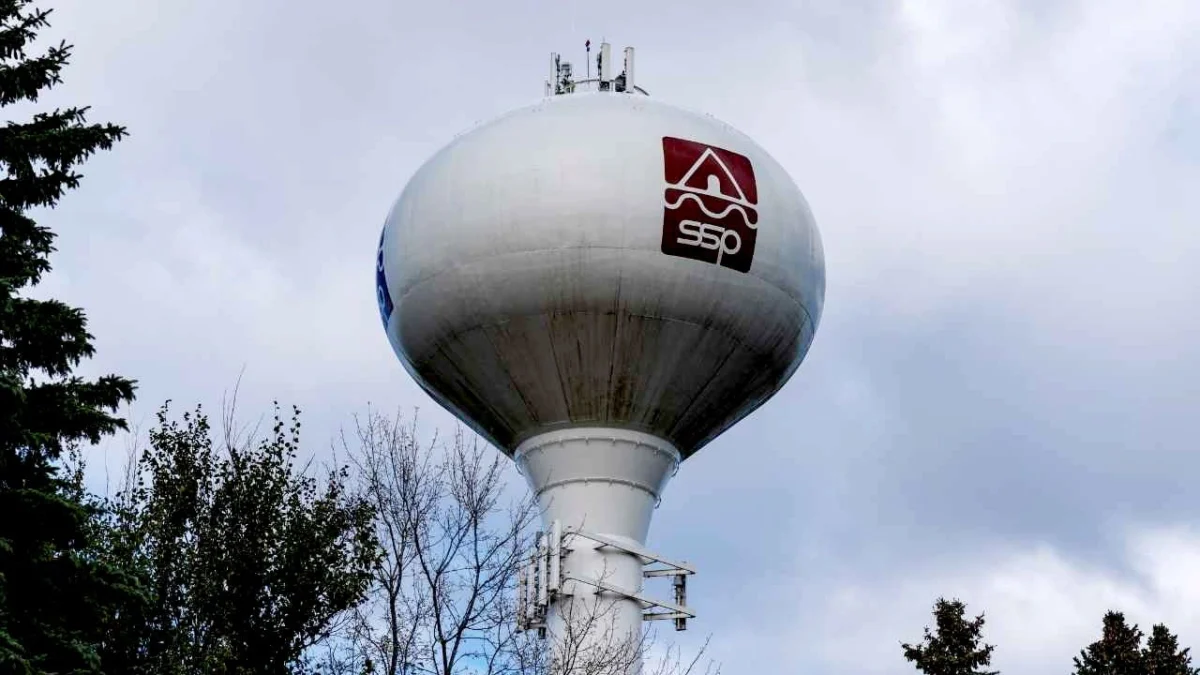
While the intrusions did not compromise the safety or quality of the drinking water supply, the event underscores the growing vulnerability of the nation’s municipal utility sector. The breach in Colorado follows a troubling trend reported by the Environmental Protection Agency (EPA), which has documented cyber-related incidents across more than 100 drinking water and wastewater systems in 12 states over the course of the current calendar year.
Chronology of the Breach and Initial Response
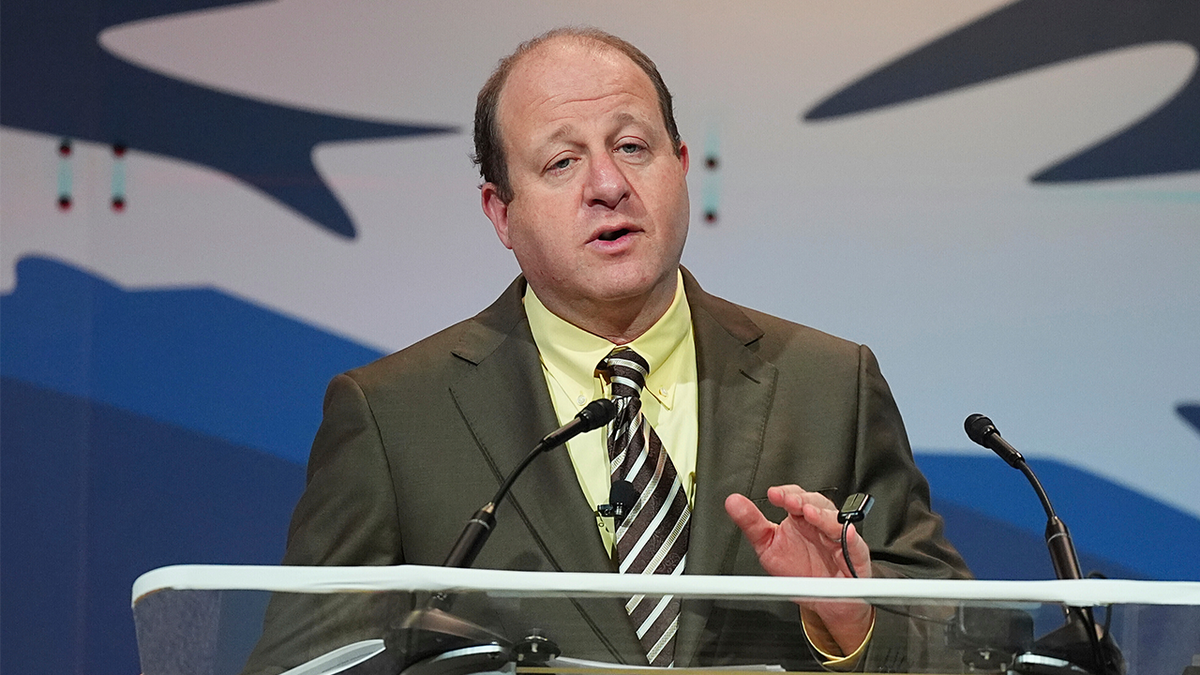
The incidents in Colorado involved two smaller water utilities, together serving approximately 400 residents. According to the office of Colorado Governor Jared Polis, the unauthorized access was brief. Upon detecting anomalous activity within their operational technology (OT) networks—which govern the physical machinery of the plants—local operators acted decisively to sever remote access and re-establish manual control of the pumping and filtration systems.
"These were brief incidents, and the risks were quickly addressed by the providers themselves, who subsequently alerted the state," said Eric Maruyama, a spokesperson for the Governor. The state’s emergency management and cybersecurity teams were promptly notified to assist in assessing the integrity of the remaining network infrastructure. As of this writing, state officials have not publicly attributed the attacks to a specific nation-state actor, nor have they confirmed if these specific breaches share a technical nexus with the broader wave of cyber activity observed in other states.
The Growing Threat to Industrial Control Systems
The methodology employed in the Colorado attacks highlights a fundamental shift in how adversaries are targeting the United States. Rather than focusing solely on traditional information technology (IT) networks—such as email servers or administrative databases—hackers are increasingly targeting Programmable Logic Controllers (PLCs). These are the specialized, internet-connected computers that manage physical processes, including the speed of water pumps, the opening and closing of valves, and the chemical levels required for water treatment.
Federal authorities, including the FBI and the Cybersecurity and Infrastructure Security Agency (CISA), have issued repeated warnings throughout the summer regarding the exploitation of "internet-facing" PLCs. By exploiting weak authentication protocols or misconfigured remote access tools, attackers can gain a "hands-on-keyboard" presence within a facility’s control room. In previous incidents reported across the country, this level of access has led to the degradation of water pressure, the flooding of facilities, and the disabling of environmental monitoring sensors.
National Context and Previous Attacks
The Colorado incident serves as a microcosm of a national security challenge that has intensified over the last several months. Earlier this year, a series of high-profile cyber intrusions affected more than 30 community water systems in Minnesota. In that instance, the attackers forced utilities to shift to manual operations as a precautionary measure to prevent the contamination of water supplies or the physical damage of pumps.
The attribution of these attacks remains a complex geopolitical issue. Investigators have explored the potential involvement of Iranian-backed hacking groups, who have previously targeted Western industrial infrastructure in retaliation for international sanctions and regional geopolitical tensions. While federal agencies have been cautious in their public naming of suspects, the pattern of activity suggests a sophisticated level of reconnaissance and an intent to disrupt public services.
The political discourse surrounding these threats has been equally volatile. During a recent Cabinet meeting, President Donald Trump addressed reports of international involvement in the Minnesota attacks, expressing skepticism toward the consensus of intelligence analysts. He suggested that the vulnerabilities were largely the result of localized management failures rather than the work of foreign adversaries, a stance that has drawn criticism from cybersecurity experts who argue that no utility—regardless of size—is adequately prepared for the sophisticated toolsets employed by nation-state actors.
Vulnerabilities in Small and Rural Utilities
A primary concern for federal regulators is the "resource gap" faced by small, rural water providers. Unlike large metropolitan utilities that often maintain dedicated cybersecurity operations centers and round-the-clock IT support, small systems frequently operate with limited budgets and minimal technical staff.
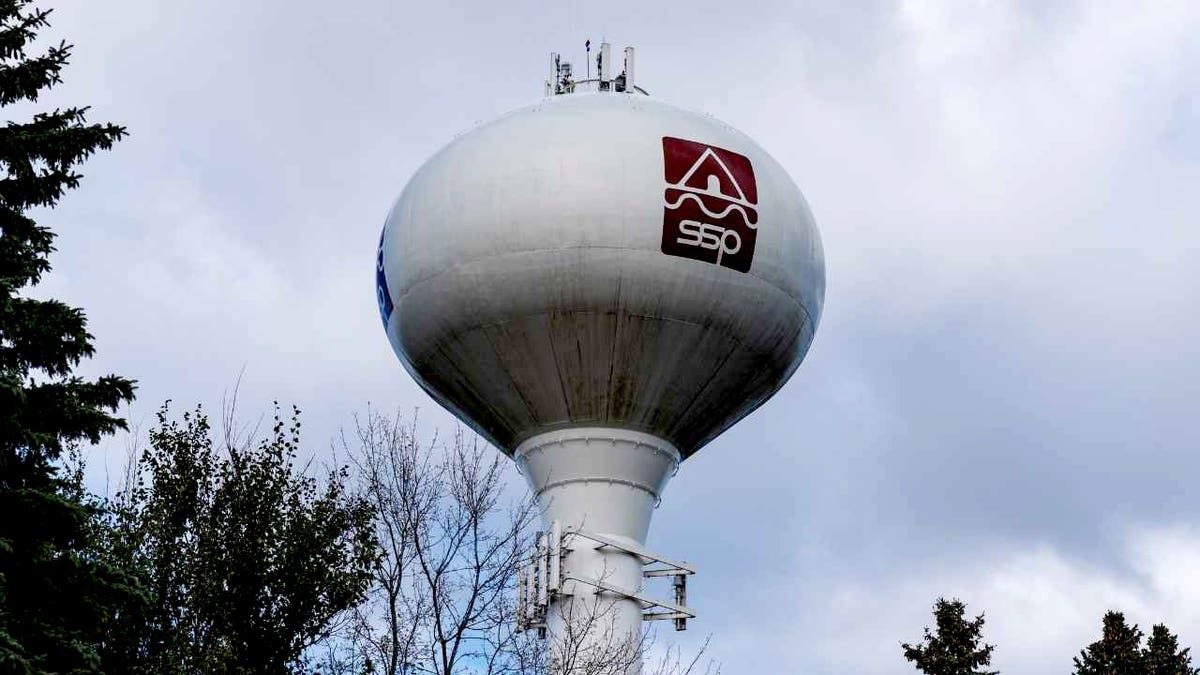
Many of these utilities rely on legacy industrial equipment that was never designed with modern cybersecurity protocols in mind. When these systems are connected to the internet to facilitate remote monitoring—a practice designed to improve efficiency and reduce travel time for operators—they become "low-hanging fruit" for global hacking syndicates.
The EPA has attempted to bridge this gap through a variety of initiatives. Since the beginning of fiscal year 2025, the agency has conducted comprehensive risk assessments for hundreds of systems and has helped facilitate the remediation of over 900 identified security vulnerabilities. These efforts include providing technical assistance to nearly 16,000 utilities, focusing on the hardening of passwords, the implementation of multi-factor authentication, and the physical isolation of control systems from the public-facing internet.
Analysis: The Strategic Implications
The implications of these cyberattacks are profound. Water infrastructure is widely considered one of the most critical sectors of the U.S. economy, as it is foundational to public health, fire suppression, and industrial manufacturing. An adversary capable of disrupting water supply on a massive scale could exert significant psychological and economic pressure on the civilian population.
Cybersecurity analysts suggest that the current wave of attacks may be a form of "strategic positioning." By probing the defenses of hundreds of small, less-defended systems, hackers are building a database of vulnerabilities that could be exploited simultaneously in the event of a broader military or diplomatic conflict.
Furthermore, the shift toward "Operational Technology" attacks signifies that the digital and physical worlds are now inextricably linked. A cyberattack on a water utility is not merely a data breach; it is a kinetic event that can result in physical destruction. This necessitates a change in how municipal governments view their digital footprint. Cybersecurity is no longer a peripheral IT concern but a central pillar of public safety and emergency management.
Path Forward and Regulatory Outlook
As the federal government continues to investigate the Colorado and Minnesota incidents, the push for mandatory cybersecurity standards for the water sector is gaining momentum. Currently, the industry relies on a patchwork of voluntary guidelines and best practices. Some policymakers are now calling for the EPA to exercise greater regulatory authority to mandate security audits and ensure that all water utilities meet a minimum baseline of cyber-resilience.
However, such mandates present significant financial hurdles for rural communities. The cost of upgrading antiquated control systems to modern, secure standards can run into the millions of dollars—a sum that many small municipalities cannot afford without federal intervention. The debate over how to fund these upgrades, while balancing local autonomy against national security needs, is expected to remain a central theme in domestic policy discussions for the foreseeable future.
For now, the focus remains on containment and remediation. Operators are being advised to "disconnect and assess"—moving critical systems to offline modes whenever possible and conducting rigorous audits of remote access credentials. As the threat landscape evolves, the resilience of the nation’s water supply will depend on the speed at which these decentralized utilities can integrate modern security measures into their daily operations. The recent events in Colorado are a stark reminder that the digital front line of the nation’s defense now extends to the very pumps and valves that sustain our daily lives.

