
For thousands of students like Mitzie Westgate, the path to an advanced degree has shifted from a clear academic trajectory to a high-stakes guessing game. As a senior at the College of Charleston, Westgate is currently navigating the final months of her undergraduate exercise science degree while simultaneously attempting to map out a future in occupational therapy. Her goal—to earn a doctorate and launch a nonprofit dedicated to supporting children with disabilities—is currently stalled by a fundamental question: whether she will be able to afford the tuition required to reach that finish line.
The confusion stems from a significant overhaul of federal student lending policy that has effectively dismantled the previous financial architecture supporting graduate education. With the legislative landscape in flux due to ongoing litigation, students are facing a "policy vacuum" that threatens to derail their career plans, particularly in essential health care and mental health fields.
A Chronology of Policy Flux
The current crisis began in earnest last year when Congress took action to reclassify numerous graduate-level programs, removing them from the Department of Education’s list of "professional" degrees. This reclassification was designed to impose stricter constraints on the amount of federal funding available to graduate students.
Historically, the Grad PLUS loan program acted as a critical safety net, allowing students to borrow up to the full cost of attendance, provided they met credit requirements. Under the new legislative framework, which officially took effect on July 1, the Grad PLUS program was eliminated. In its place, the government instituted a rigid cap on federal borrowing: $20,500 annually and a lifetime aggregate of $100,000 for most graduate programs. A select group of 11 identified "professional" programs were granted slightly higher relief, capped at $50,000 annually and $200,000 in total.
However, the implementation of these rules has been anything but smooth. A coalition of nursing associations, health care advocacy groups, and educational institutions filed a federal lawsuit challenging the reclassification, arguing that the limits would exacerbate labor shortages in critical sectors. In response, a federal judge issued an injunction suspending the implementation of the stricter caps until at least December. This legal standoff has created a volatile environment where students applying for the 2027-28 academic year have no guarantee of which lending rules will apply when they receive their tuition bills.
The Financial Squeeze on Future Professionals
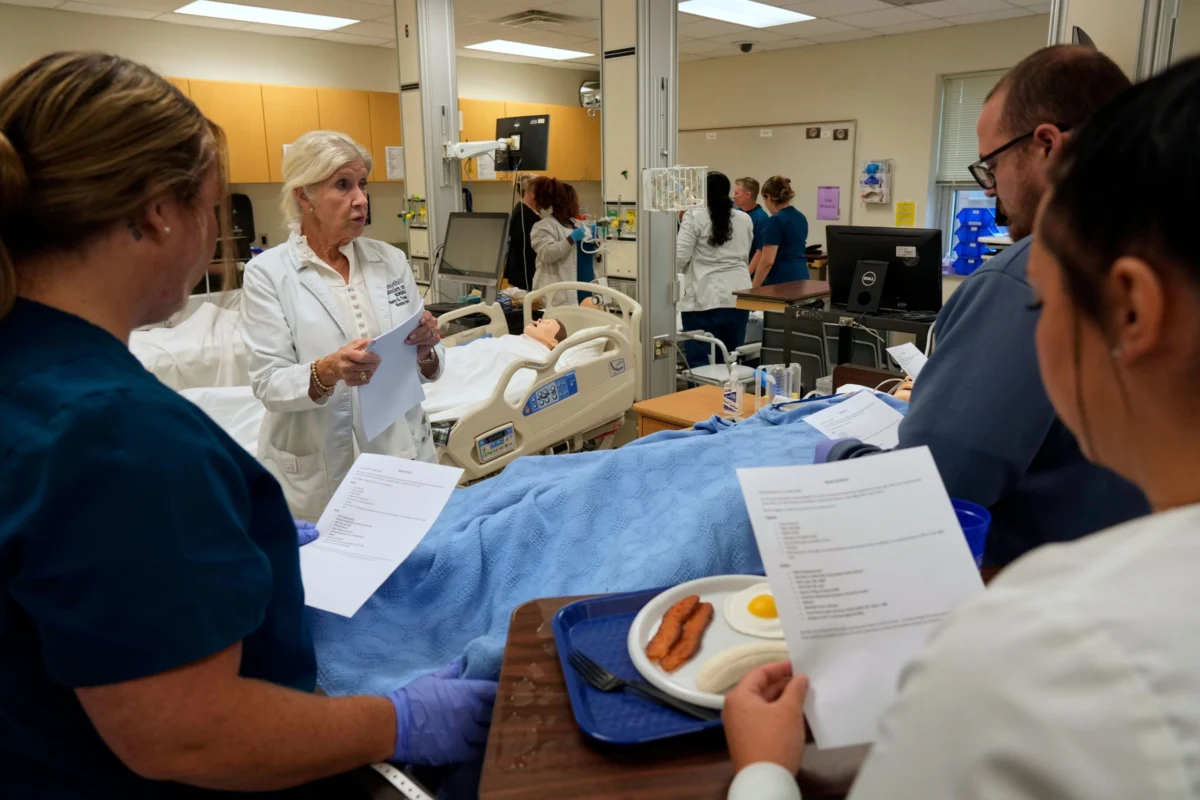
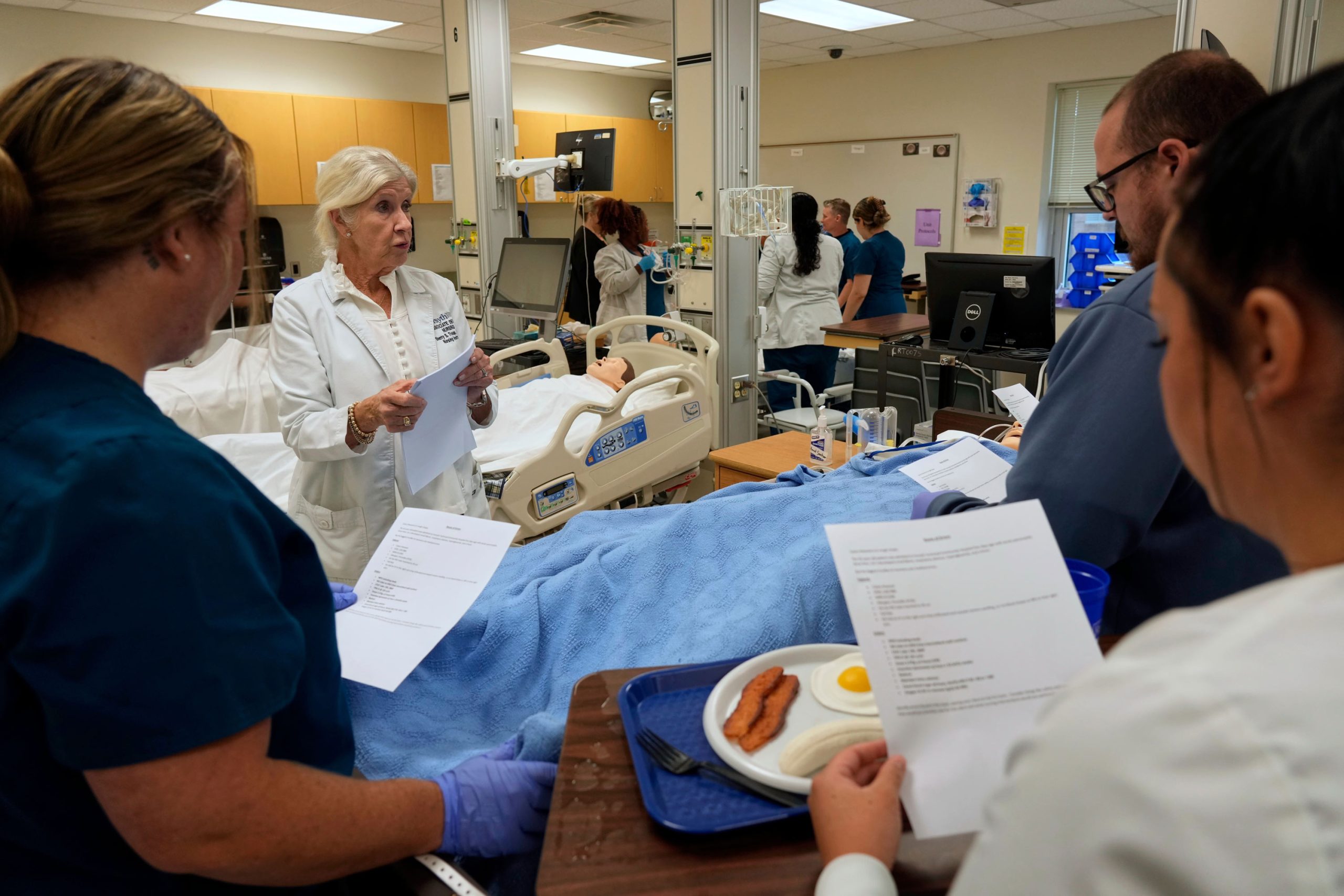
The potential impact of these caps is disproportionately concentrated in fields that are essential to public health. Nursing, occupational therapy, counseling, and social work are among the programs most impacted by the new limits. These are fields characterized by high demand but often moderate starting salaries, creating a precarious balance between the cost of education and the reality of post-graduate earnings.
Data from the American Enterprise Institute (AEI) highlights the mismatch between rising tuition costs and projected return on investment. According to an AEI report, graduate programs in health and human services often carry high tuition price tags that are not necessarily correlated with significantly higher earnings upon graduation. For students in these disciplines, the loss of federal loan access creates an immediate funding gap that cannot be easily filled by private sector alternatives.
The shift toward private lending brings with it a host of new risks. Unlike federal loans, which offer income-driven repayment plans and public service loan forgiveness options, private loans are subject to market interest rates and commercial underwriting standards. Experts warn that as private lenders tighten their criteria, students with less-than-perfect credit or those entering lower-paying, essential fields may find themselves excluded from the private market entirely.
Voices from the Frontlines
The human cost of this uncertainty is palpable. Kayce Cordray, a 44-year-old doctoral candidate in nursing practice at Oral Roberts University, warns that the current instability is already acting as a deterrent to the next generation of health care providers.
"We are facing a real nursing shortage and a real rural health care shortage," Cordray stated. "We’re not even going to be able to get registered nurses if we don’t have faculty. It’s a domino effect." For students who are also parents, the prospect of navigating high-interest private debt is not just a financial concern, but a structural barrier to entering the workforce. The prospect of having to begin loan repayment while still enrolled in a rigorous program—a standard requirement for many private lenders—could effectively force many students out of the educational pipeline before they ever earn their credentials.
This sentiment is echoed by students like Gracie Hayworth, who is currently pursuing a master’s degree in public health. The uncertainty has forced her and her husband to reconsider their long-term academic plans. For households planning for multiple advanced degrees, the shift from federal to private debt could result in an unmanageable monthly debt burden that undermines their ability to sustain their households while in school.
Institutional Responses and Market Adjustments
The university sector’s response to these changes has been fragmented. Some elite institutions have utilized their endowments to bridge the gap, offering university-backed loans or increased scholarship funding to students impacted by the federal caps. However, public university systems and mid-sized private colleges are finding it difficult to match these resources.
There is a ongoing debate among economists regarding whether these loan limits will ultimately force universities to lower tuition costs. Proponents of the policy argue that by restricting the amount of federal money flowing into graduate programs, the government will force institutions to compete on price, eventually leading to a reduction in tuition. They point to instances where schools have begun adjusting their aid packages or lowering prices to remain competitive with lower-cost rivals.

Conversely, analysts like Sarah Sattelmeyer of the think tank New America remain skeptical. "Right now, I don’t see evidence that we’re going to see large across-the-board tuition and price reductions," she noted. The concern is that rather than lowering prices, many institutions may simply become more selective, admitting only those students who can afford to pay out-of-pocket or who can secure private financing, thereby reducing socioeconomic diversity within high-demand graduate fields.
The Regulatory "Policy Vacuum"
The lack of clear guidance from the Department of Education has left financial aid administrators in a state of professional distress. Megan Walter of the National Association of Student Financial Aid Administrators described the current atmosphere as one of "whiplash." For aid officers tasked with advising students on how to finance their future, the inability to provide definitive information about loan availability for the upcoming year is a significant challenge.
Furthermore, consumer protection advocates are raising alarms about the potential for predatory lending. Eileen Connor, director of the Project on Predatory Student Lending, warns that as desperate students turn to private lenders, they may be vulnerable to products containing hidden fees, mandatory arbitration clauses, and interest rates that can reach as high as 16 percent. With the removal of various federal oversight mechanisms, the current environment is viewed by many as a "wild west" for student borrowers.
Looking Toward the Future
As the December deadline approaches and the legal system continues to weigh the merits of the new loan limits, the future of graduate education in the United States remains tethered to the outcome of the pending litigation. For students like Mitzie Westgate, the strategy remains one of cautious observation. She continues to prepare her applications for top-tier programs, hopeful that merit-based scholarships or a shift in the regulatory environment will make her dream of helping children with disabilities a reality.
However, the broader implications of this policy shift suggest a transformation in how graduate school is viewed: no longer as a guaranteed step toward professional advancement, but as a calculated financial risk. Whether this will lead to a more efficient higher education market or a significant contraction in the supply of essential health care professionals remains to be seen. In the meantime, the academic and professional aspirations of an entire generation of graduate students hang in the balance, waiting for clarity from a government that has yet to provide a definitive path forward.

