
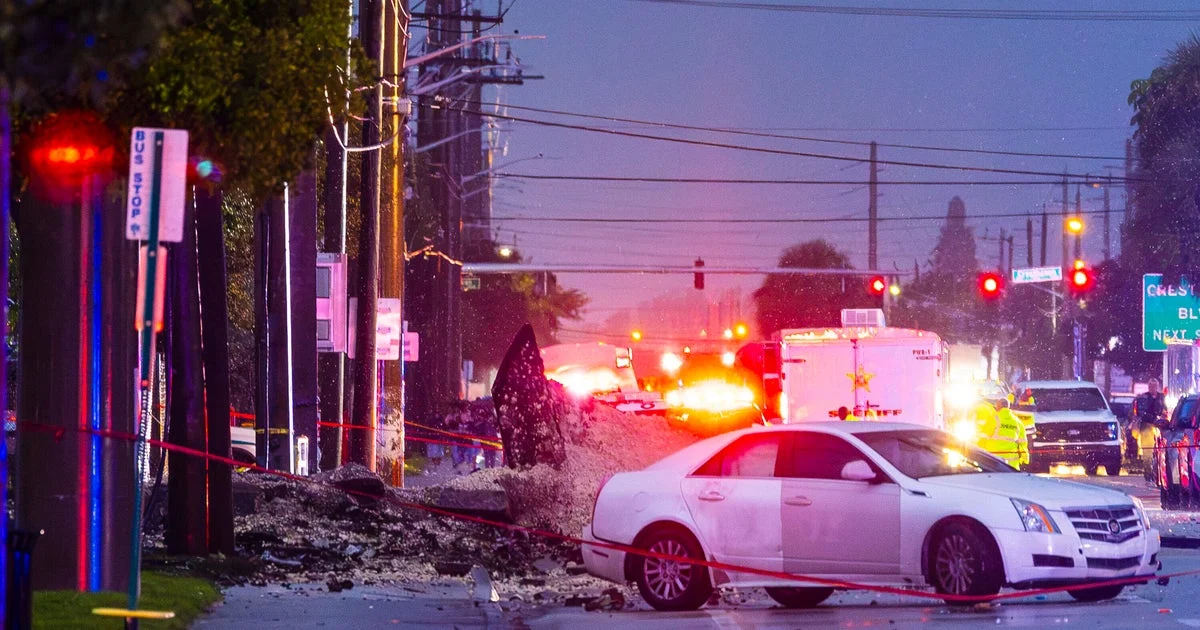
The aviation community and the residents of Palm Beach County are reeling following a catastrophic Learjet 60 crash on Sunday, November 1, 2026, that claimed the lives of all nine individuals on board. The business jet, which had departed from Austin, Texas, and was bound for the Bahamas, disintegrated upon impact in a residential neighborhood, leaving a massive crater and sparking a blaze that shook the local community. As the National Transportation Safety Board (NTSB) launches a comprehensive investigation, chilling air traffic control recordings have surfaced, highlighting the final, desperate struggle of the flight crew to maintain control of the aircraft amidst severe atmospheric icing and extreme turbulence.
The Chronology of a Disaster
According to data provided by the Federal Aviation Administration (FAA) and recorded communication logs, the flight appeared routine during its initial departure from Austin. However, as the aircraft progressed toward its destination in the Bahamas, the flight crew encountered deteriorating weather conditions. The pilot reported significant turbulence and the accumulation of ice on the airframe, a condition that poses a severe threat to aircraft aerodynamics.
"We’re managing the ice, but it is moderate turbulence," the pilot informed air traffic control, a statement that served as the first public indication of the escalating emergency. As the weather conditions worsened, the crew’s reports grew increasingly urgent. The situation reached a critical breaking point when the pilot declared a "Mayday," reporting a rapid, uncontrollable descent.
The final moments recorded in the cockpit communications are harrowing. The pilot reported a descent rate of 10,000 feet per minute, followed shortly by a transition into an "overspeed condition" with a descent rate accelerating to 20,000 feet per minute. Telemetry data confirmed this catastrophic loss of altitude; the aircraft, which was cruising at approximately 9,000 feet, entered a terminal nosedive at speeds exceeding 363 miles per hour before impacting the ground in Greenacres, Florida.
Profiles of the Deceased
The human cost of this tragedy has begun to emerge as authorities notify the families of those lost. The flight was operated by a professional crew, including 55-year-old captain Jeffrey Gregory and 20-year-old co-pilot Nathalia Filgueiras. Filgueiras, a young aviator whose early career had previously been highlighted by local media for her dedication to the profession, was remembered by peers as a promising talent in the field of aviation.
Among the passengers were Adam Robinson, 45, and Helen Sharp, 41, an Austin-based couple who were traveling with their two young children, aged 2 and 4. The loss of the family has deeply affected the Austin community, as officials work to process the recovery of the remaining three passengers—individuals in their 20s and 30s whose identities are currently being withheld pending the completion of formal identification and family notification protocols.
Technical Analysis of In-Flight Icing
Robert Sumwalt, a former chair of the National Transportation Safety Board and a prominent expert in transportation safety, provided technical context regarding the dangers of icing during high-altitude flight. Sumwalt explained that the accumulation of ice on an aircraft’s wings does more than simply add weight to the vessel; it fundamentally alters the wing’s geometry.
"It disrupts the smooth flow of air across the top of the wings," Sumwalt noted. "Any disruption to that airflow can severely affect the aerodynamic performance of the airplane, leading to a loss of lift that is exceptionally difficult to recover from once the stall speed is reached." In such instances, the aircraft becomes increasingly unresponsive to control inputs, often leading to the type of rapid, high-speed descent observed in the final data broadcast of this Learjet 60.
The Federal Investigation
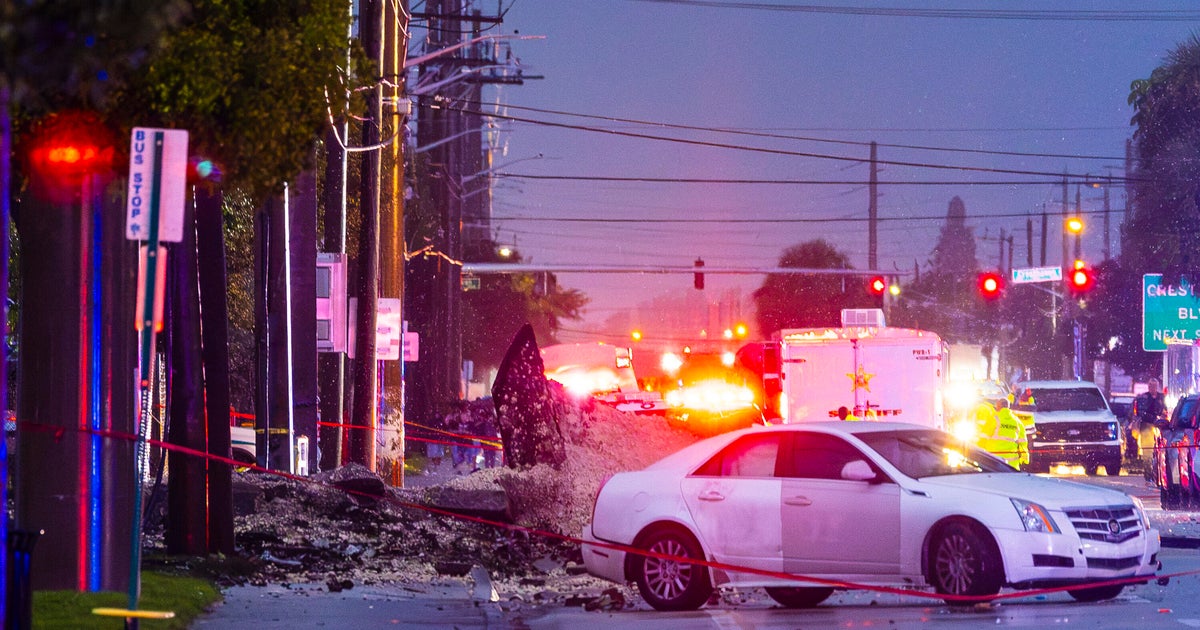
The NTSB has officially assumed the lead in the investigation, deploying a "Go-Team" to the crash site to secure evidence and reconstruct the final sequence of events. At a press conference held Monday afternoon, NTSB board member Tom Chapman provided a somber update on the state of the wreckage.
"We do have some indication that the aircraft was breaking up before impact," Chapman stated. "The debris field is consistent with a high-energy impact, and we may find parts of the aircraft some distance away from the actual crash site."
The investigation will focus on several key pillars: the maintenance records of the Learjet 60, the weather briefings provided to the crew prior to departure, and the cockpit voice recorder (CVR) and flight data recorder (FDR) analysis. Investigators are also looking into whether the aircraft’s de-icing systems were functioning at peak capacity and if the severity of the weather was properly anticipated by the flight dispatch and the pilots.
Impact on the Local Community
While the tragedy claimed the lives of all nine people on board, the crash site itself—a densely populated residential area in Palm Beach County—miraculously saw no fatalities among residents on the ground. However, the impact was felt physically and psychologically by those nearby.
Witnesses described a deafening whistle followed by an earth-shattering boom that shook nearby homes and caused widespread power fluctuations. Aki Kuusisto, a local resident, described the terrifying proximity of the event: "It felt like it was right next to us. Like driving down the road, we heard the whistle and the boom and you could feel it in the car, it was that close."
Emergency response teams were on the scene within minutes, but the fire intensity, fueled by the aircraft’s fuel load, made the site inaccessible for initial rescue attempts. One local resident sustained a minor leg injury, the only reported injury on the ground.
Aviation Industry Implications
This incident serves as a stark reminder of the inherent risks of light jet operations in adverse weather conditions. The aviation industry is expected to conduct a thorough review of existing protocols regarding flight path planning for small-cabin jets when moderate to severe icing is forecast.
As the NTSB continues its work, the aviation community awaits the preliminary report, which is expected to provide further clarity on the timeline of the mechanical failure and the environmental factors that culminated in this disaster. For the families of the victims, the investigation is a necessary, albeit painful, process in understanding the final moments of their loved ones. The wreckage has been moved to a secure facility for further forensic analysis, where investigators will meticulously piece together the remnants of the aircraft to determine if a singular mechanical failure or a combination of environmental factors triggered the terminal descent.
This event marks one of the most significant aviation tragedies in the region in recent years, prompting a national conversation about the safety of private charter operations and the rigorous standards required for navigating volatile weather corridors. As the investigation progresses, the findings will likely result in updated safety bulletins and potentially new training requirements for pilots operating similar aircraft in icing conditions, ensuring that such a tragedy is not repeated.

