
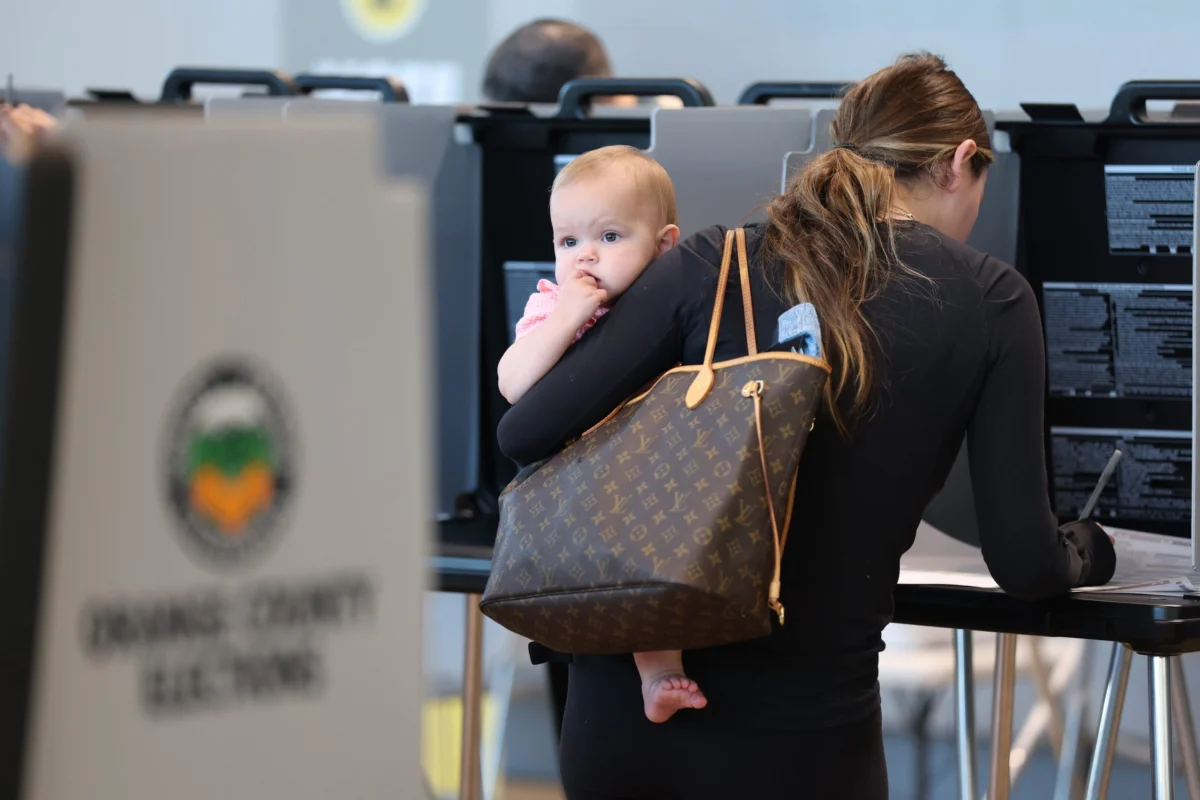
The 2026 midterm elections served as a significant bellwether for the future of early childhood education in the United States, as a wave of newly elected officials and successful local ballot initiatives underscored a growing public mandate for systemic investment in the youngest members of society. While the broader political landscape saw a notable shift toward Democratic leadership, the policy outcomes regarding childcare and prekindergarten suggest that support for these initiatives transcends traditional party lines, rooted instead in the pragmatic needs of working families and the economic necessity of a stable workforce.
As the dust settles on the November 3, 2026, election results, the legislative path forward appears to be paved with a blend of gubernatorial agendas and community-led fiscal measures. From the coastal cities of California to the mountain counties of Colorado and the urban hubs of the Midwest, voters have signaled a clear preference for prioritizing the "kitchen table" issues that have dominated household discourse since the post-pandemic economic adjustments.
A New Guard of Education-Focused Leadership
The electoral success of several key candidates points to a strategic pivot in political messaging. Early childhood education, once relegated to the periphery of campaign platforms, occupied center stage for many successful candidates.
In Maine, Governor-elect Hannah Pingree successfully leveraged a platform anchored in universal childcare access and a commitment to raising the wages of early childhood educators—a demographic historically plagued by high turnover due to low compensation. Similarly, in Georgia, Governor-elect Keisha Lance Bottoms utilized the expansion of state-funded pre-K and the implementation of mandatory kindergarten as a cornerstone of her campaign. In the Midwest, Wisconsin Governor-elect David Crowley has positioned his administration to pursue an ambitious expansion of state childcare subsidies, aiming to extend coverage to all children aged five and younger.
These gubernatorial victories are complemented by legislative wins elsewhere, such as the election of Dr. Annie Andrews in South Carolina and Senator-elect Peggy Flanagan in Minnesota. Both candidates campaigned on robust federal and state-level support for Head Start programs and universal pre-K, reflecting a shift in how candidates approach family policy. Rather than viewing these as niche social services, these leaders have reframed childcare as an essential infrastructure requirement for modern economic growth.
The Geography of Success: A Chronology of Ballot Measures
While statewide candidates provided the vision, local ballot measures provided the funding mechanisms necessary to bring these policies to life. The 2026 election cycle saw a flurry of tax-related initiatives, revealing that voters are increasingly willing to approve local levies when the funds are explicitly earmarked for early learning.
The landscape of these initiatives was varied, reflecting the diverse economic climates of the municipalities involved:
- San Antonio, Texas (Proposition A): In a resounding show of support, over 72 percent of voters reauthorized the city’s sales tax dedicated to the "Pre-K 4 SA" program. This decision secures funding for another two decades, ensuring continuity for a program that has become a national model for municipal early childhood investment.
- Boulder County, Colorado (Issue 1A): Voters approved a property tax increase specifically designed to alleviate the childcare affordability crisis, increase teacher salaries, and expand facility capacity to address persistent waitlists.
- Marin County, California (Measure P): Residents passed a parcel tax dedicated to an early educator compensation fund, emphasizing the importance of professionalizing the childcare workforce.
- Colorado (Statewide): The passage of Proposition NN and Amendment 87 represents a major win for advocates, as these measures shift state revenue and income tax structures to prioritize both K-12 and early childhood education, signaling a structural change in state fiscal policy.
- Baltimore, Maryland (Question I): A landmark decision to amend the city charter to dedicate a portion of property tax revenue to the "Baltimore Baby Fund" will generate an estimated $17 million in its first year, providing a dedicated stream of funding for early childhood resources.
However, the trend was not universal. In St. Louis, Missouri, and Tempe, Arizona, voters rejected sales tax proposals intended to bolster childcare subsidies. These rejections provide a critical counter-narrative, suggesting that while the appetite for investment is high, voters remain sensitive to the overall tax burden and demand clear, transparent accountability for how funds are managed.
Economic Context and the "Kitchen Table" Mandate
The primary driver behind this surge in support is the compounding stress on American families. According to data from nonprofit advocacy groups like Zero to Three, the cost of childcare has outpaced inflation for nearly a decade, creating a "care gap" that forces many parents—disproportionately mothers—out of the workforce.
Melissa Boteach, chief policy officer at Zero to Three, notes that the 2026 results are a direct reaction to these economic pressures. "It’s not a surprise that candidates who focused on affordability and solutions to childcare and health care resonated with people who are struggling," Boteach stated. She further emphasized that this is not merely a temporary political trend but a long-term shift in voter expectations. "Not only do voters expect candidates to deliver on those promises, but going into 2028 and beyond, the appetite for real momentum and real solutions on these issues is high."
From an economic standpoint, the argument for investment has gained traction with chambers of commerce and business leaders. Sarah Baray, CEO of Pre-K 4 SA, noted that the success in San Antonio was built on a bipartisan foundation. By framing early childhood education as an investment in the future workforce and a support system for current employees, advocates have successfully broadened the base of support beyond traditional education circles.

Broader Implications and Future Outlook
The implications of the 2026 election cycle are twofold. First, they establish a "gold standard" for future campaigns: candidates who ignore the economic reality of working families do so at their own peril. Second, the reliance on local tax measures highlights the limitations of federal policy in this domain. As federal funding remains gridlocked or insufficient, cities and counties are stepping into the void, utilizing their own taxing authority to ensure their communities remain competitive and livable.
However, experts caution that this decentralized approach creates a "patchwork" system. While areas like Marin County or Boulder County can generate significant revenue through property and parcel taxes, rural or lower-income areas may struggle to raise sufficient funds, potentially widening the equity gap in educational access across the country.
Looking ahead, the next two years will be a testing ground. Newly elected governors in states like Maine and Wisconsin will face the challenge of implementing their promises in the face of potentially divided legislatures or budgetary constraints. Meanwhile, local municipalities that passed tax measures must now establish the oversight boards and distribution frameworks required to turn ballot victories into operational realities.
The 2026 midterms have proven that childcare is no longer a "soft" issue. It is a hard-nosed economic reality that dictates household stability, labor force participation, and, ultimately, the success of the next generation. As the nation moves toward the next election cycle, the momentum generated by these victories suggests that the focus on the earliest years of development is likely to remain at the forefront of the American political consciousness, forcing a re-evaluation of how the nation funds and values the care and education of its youngest citizens.

