
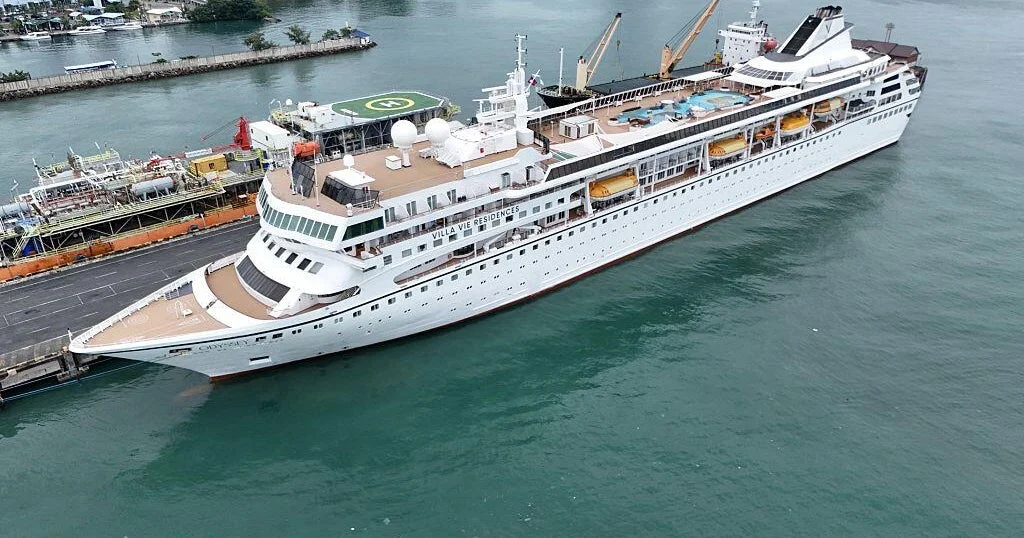
The luxury maritime venture, Villa Vie Residences, has officially ceded control of its flagship vessel, the MV Odyssey, to its lender following a mounting series of financial crises that culminated in the ship’s indefinite detention at the port of Sihanoukville, Cambodia. The transfer of control marks a precarious turning point for the "forever cruise" project, which marketed a life of permanent travel to retirees and digital nomads, but now faces a potential auction block in Singapore.
For the hundreds of passengers who invested their life savings into the dream of a nomadic lifestyle at sea, the reality has devolved into a scramble for personal property and a search for alternative housing. Residents were granted a narrow weekend window to vacate the vessel before the lender assumed total operational responsibility, including the burden of crew wages, fuel costs, and the ongoing maintenance of the ship.
A Chronology of Financial Erosion
The collapse of the Odyssey’s operations did not occur in a vacuum; it was the result of a long-standing pattern of fiscal instability that dates back well before the vessel’s arrival in Cambodia.
Internal documentation reviewed by CBS News indicates that the organization had been operating in a state of financial distress for at least three months prior to the current impasse. As early as August 2026, leadership at Residential Cruise Holdings—the parent company of Villa Vie—began aggressively soliciting additional capital from its resident-investors.
A revealing internal presentation from August highlighted the company’s desperation, noting a specific need to "distinguish actual inability to contribute from unwillingness to contribute further." This demand for additional funding came on the heels of significant investments already made by passengers. For individuals like Joel Greiff, a Florida resident who invested $350,000 for a cabin, the request for more capital served as a final warning sign. After living on the ship for only 26 days, Greiff and others were forced to reconcile with the total loss of their investment as the project’s business model began to unravel in real-time.
The Failure of Resident Buyout Efforts
In a final attempt to salvage the venture, a contingent of residents sought to orchestrate a private buyout of the vessel from the parent company. This effort, which involved 169 residents pledging additional capital to stabilize the ship’s finances, ultimately collapsed when the primary lender denied the necessary funding.
The rejection of this bid suggests a lack of institutional confidence in the current management’s ability to operate the ship profitably. Without external financial backing or a successful restructuring plan, the vessel’s future remains tethered to the lender’s upcoming decision, which is widely expected to involve a transition to Singapore for a potential public auction.
Leadership’s Defense and the Strategy for Restructuring
Despite the gravity of the seizure, Mike Petterson, the founder and executive chairman of Villa Vie, maintains that the situation is not irreversible. In statements provided to CBS News, Petterson characterized the lender’s takeover as a standard, albeit difficult, component of a larger 30- to 90-day restructuring process.
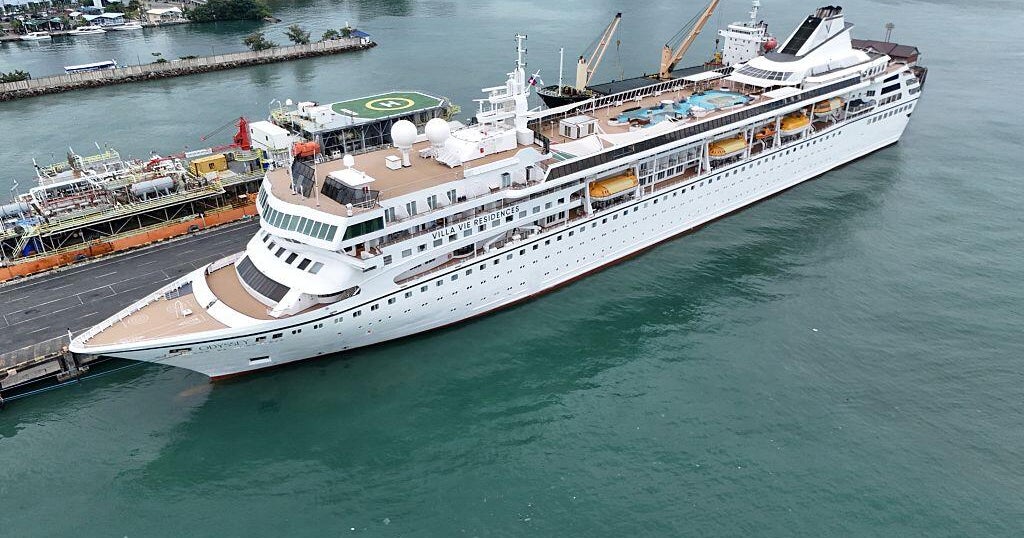
"The lender has taken possession of the ship, but that does not mean the Odyssey’s future has been decided," Petterson stated, emphasizing that the company is actively seeking an operational partner to inject new liquidity into the project. He argues that the lender’s primary interest is in securing a return on their debt, and that they remain open to negotiations should a "funded plan" be presented.
Petterson further defended the company’s reliance on resident funding, noting that the enterprise was "entirely capitalized by the residents themselves." According to his logic, because the residents are the shareholders of the company, they are the only viable source for capital calls. However, this model faces harsh criticism from industry observers, who point out that the financial burden has been placed almost exclusively on the end-users, creating a high-risk ecosystem where any operational shortfall leads to a total loss for the passengers.
The Human and Economic Impact
The fallout from the Odyssey’s grounding extends far beyond the immediate financial losses. For many residents, the ship represented not just a vacation, but a permanent home. The sudden displacement has left retirees and remote workers stranded in Cambodia, forcing many to find local, long-term rentals while they process the loss of their primary residence and their invested capital.
"They don’t know how to run a business whatsoever," said Greiff, who has since transitioned to life in a riverside rental in Kompat. His experience is emblematic of the broader disillusionment among the ship’s community. While some residents remain hopeful that a new operator will step in to restart the engine, many have begun to accept that their initial investment—often reaching into the hundreds of thousands of dollars—may be unrecoverable.
Broader Implications for the Residential Cruise Industry
The plight of the MV Odyssey highlights the extreme volatility inherent in the residential cruise market. Unlike traditional cruise lines that operate under established corporate frameworks with massive institutional backing, residential cruise startups often rely on a model of "crowd-funded luxury." When costs for fuel, crew, and port fees exceed projected budgets—or when unexpected maintenance arises—the lack of a traditional corporate cushion leaves the residents, who are also the primary investors, vulnerable to the whims of creditors.
Analysts note that the "forever cruise" concept requires a level of fiscal transparency and operational expertise that has proven difficult for startup entities to maintain. The potential for a Chapter 11 bankruptcy filing, which Petterson estimates would cost $3 million for the first 60 days of legal and administrative proceedings, remains a looming possibility. Such a move would be a massive undertaking for a company that has already exhausted its primary funding sources.
Looking Toward the Future
As the Odyssey prepares to relocate to Singapore, the fate of the vessel serves as a case study in the risks of unconventional maritime ventures. The legal and debt-related issues currently plaguing the ship do not automatically nullify its physical value, but they do complicate any path to recovery.
For the residents, the hope now rests on a "structured transition" involving new capital and experienced operators who can theoretically turn the ship’s trajectory around. However, the window for such a transition is closing rapidly. As the lender assumes control of the vessel’s safekeeping, the focus of the community has shifted from the dream of sailing the world to the reality of navigating the complexities of maritime law and corporate insolvency.
Whether or not the Villa Vie Odyssey ever returns to service remains a matter of intense speculation. For now, the ship remains a stationary monument to an ambitious, if ultimately flawed, vision of life at sea, grounded by the hard realities of debt and the fragility of a business model that asked its customers to shoulder the weight of its own existence. As the legal proceedings unfold in the coming months, the case will likely serve as a cautionary tale for the burgeoning sector of residential maritime real estate, underscoring the necessity of robust capitalization and experienced, independent management in ensuring the viability of such complex, long-term projects.

