
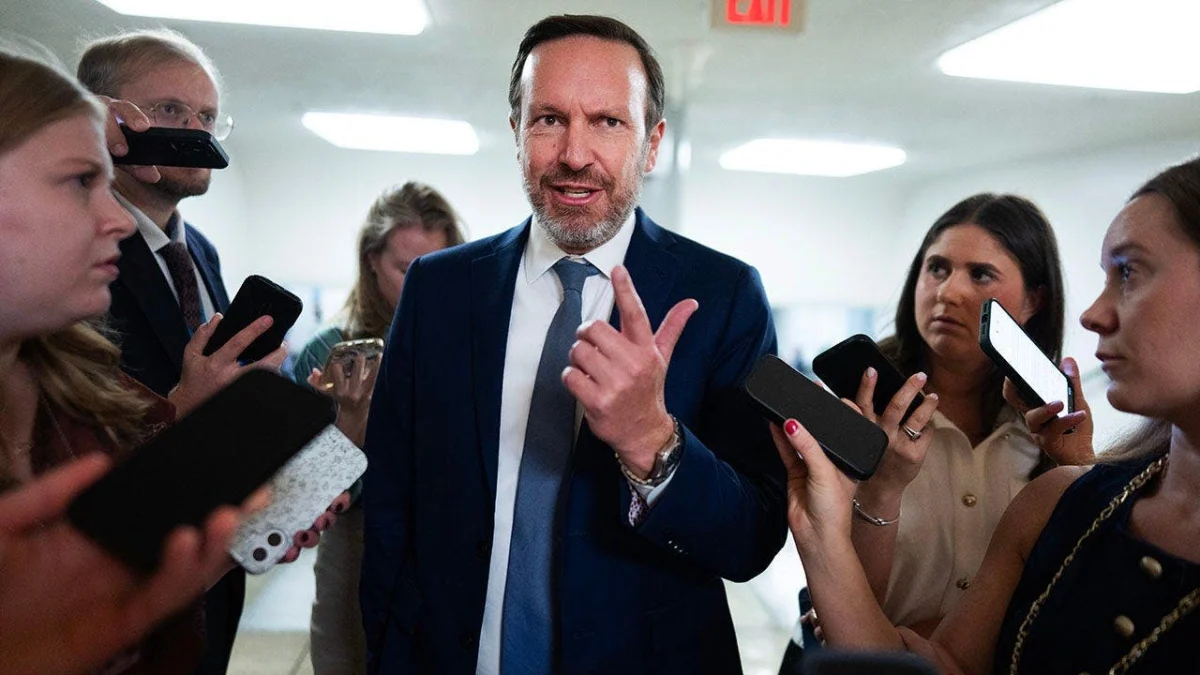
United States Senator Chris Murphy, a Democrat representing Connecticut, has been hospitalized following a stroke, according to a formal announcement released by his office on Sunday. The 53-year-old lawmaker, who has become a prominent fixture in Democratic politics, was immediately transported to a medical facility after experiencing alarming symptoms during a personal outing. His chief of staff, Allison Herwitt, confirmed that the senator is currently under specialized care and responding positively to medical intervention, sparking a wave of well-wishes from across the political aisle.
The Chronology of Events
The health crisis unfolded on Saturday afternoon while Senator Murphy was attending a youth hockey game involving his son. According to statements from his office, the senator began to experience sudden physical symptoms, specifically identifying numbness in one of his arms. Recognizing the potential severity of the situation, emergency measures were taken immediately to transport the senator to a local hospital for an initial evaluation.
Upon arriving at the medical facility, diagnostic testing revealed that the senator had suffered a stroke. Given the complexity of the condition, medical personnel opted to transfer Senator Murphy to Johns Hopkins Hospital, a world-renowned medical center in Baltimore, Maryland, to ensure he received the highest level of neurological monitoring and specialized care. As of Sunday, official reports indicate that the senator remains alert and is showing signs of recovery.
Medical Context and Stroke Awareness
A stroke occurs when the blood supply to part of the brain is interrupted or reduced, preventing brain tissue from getting oxygen and nutrients. Within minutes, brain cells begin to die. Medical professionals emphasize the "FAST" acronym—Face drooping, Arm weakness, Speech difficulty, Time to call emergency services—as the standard for identifying a stroke. Senator Murphy’s swift transport to a hospital following his symptoms aligns with standard emergency protocols that prioritize the "golden hour," the critical window of time where immediate intervention can significantly reduce the risk of permanent brain damage.
The incident has reignited public conversation regarding the importance of recognizing early warning signs of cardiovascular and neurological events. Health organizations frequently highlight that while strokes are more common in older demographics, they can occur at any age due to a variety of factors, including genetics, lifestyle, and underlying health conditions. The senator’s medical team has expressed encouragement regarding his current progress, though further details regarding the specific type of stroke or the anticipated length of his hospital stay have not been released at this time.
Political Background and Career Trajectory
First elected to the U.S. Senate in 2013, Senator Chris Murphy has established himself as a central figure within the Democratic Party. Representing Connecticut, he has been a vocal advocate for gun control legislation, foreign policy reform, and healthcare access. Over the past several years, his legislative influence has grown, leading to his status as a key strategist and a frequent surrogate for Democratic candidates across the country.
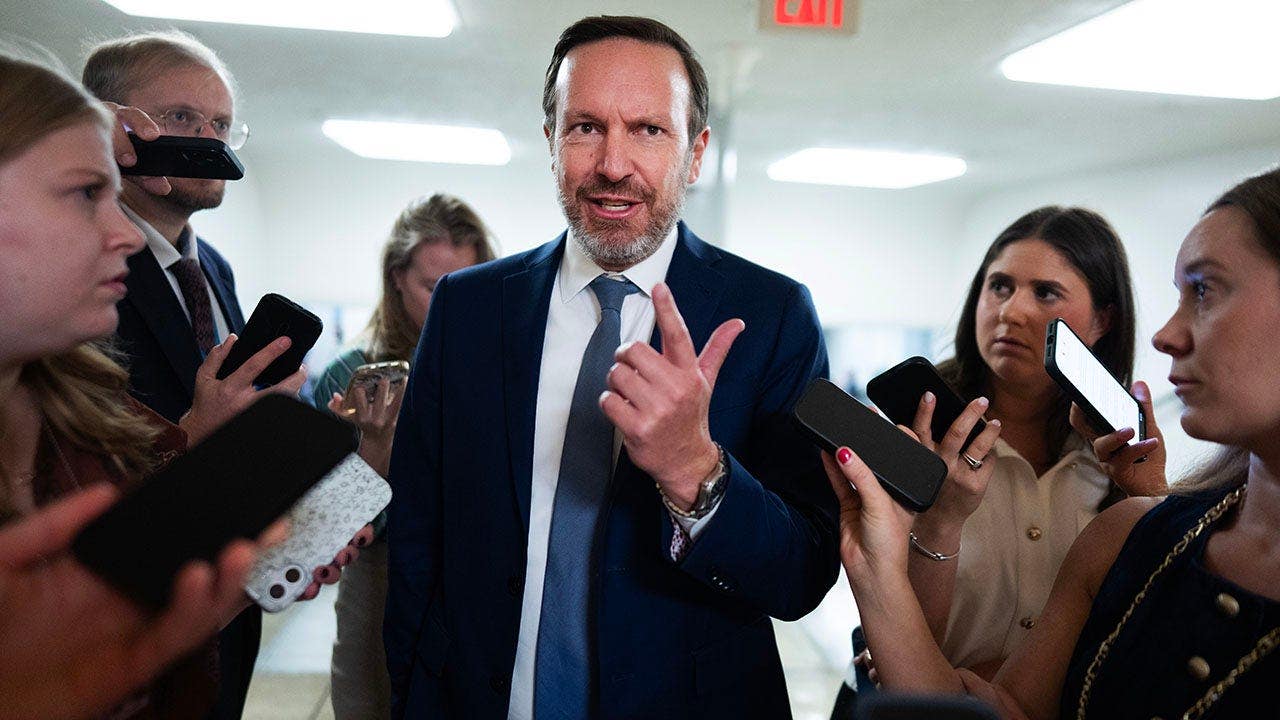
At 53 years old, Murphy is widely regarded as a potential contender for the 2028 Democratic presidential primary. His reputation for articulate communication and his ability to bridge different factions of the party have made him a staple in national political discourse. Prior to his hospitalization, the senator was deeply involved in the current midterm election cycle, traveling extensively to campaign for Democratic colleagues and working to maintain or expand the party’s narrow majority in the Senate. He had been scheduled to appear at campaign events in New Hampshire on Sunday, all of which have been canceled indefinitely as he focuses on his health.
Broader Implications for the Senate
The hospitalization of a sitting U.S. Senator always carries significant weight, particularly when the chamber is closely divided. Every vote in the Senate is crucial when the margin of control is slim. While Senator Murphy’s office has emphasized his positive response to treatment and their optimism for a full recovery, his temporary absence from the Capitol will necessitate a pause in his legislative activities.
In the short term, this event may impact the immediate pace of Senate business, as party leadership often adjusts schedules when members are unable to attend. However, the primary focus remains on the senator’s health. Historically, when members of Congress face health challenges, colleagues from both sides of the aisle frequently set aside partisan differences to offer support. This case is expected to be no different, as leadership from both parties has already signaled their concern for the senator’s well-being.
Statistical Context: Stroke Prevalence in the U.S.
Data from the Centers for Disease Control and Prevention (CDC) indicates that stroke remains a leading cause of death and serious long-term disability in the United States. Annually, more than 795,000 Americans suffer a stroke. While advancements in emergency medicine have improved outcomes significantly over the last two decades, the economic and social costs of stroke recovery remain substantial.
Medical experts often note that recovery trajectories vary widely based on the severity of the stroke and the speed with which the patient receives care. Because Senator Murphy’s office reported that he is "awake and alert" and responding well to treatment, the prognosis for a return to his senatorial duties is generally viewed with cautious optimism by independent medical analysts familiar with similar cases.
Official Responses and Public Sentiment
The news of the senator’s stroke prompted immediate reactions from his political peers. While formal statements were sparse in the immediate aftermath, sources within the Senate indicated that staffers and colleagues are monitoring the situation closely. The swift transparency from his chief of staff, Allison Herwitt, has been credited with preventing the spread of misinformation, a critical factor in managing public perception during high-profile health events.
The senator’s office has promised to provide further updates as they become available, though they have also requested privacy for the Murphy family during this recovery period. Supporters and constituents in Connecticut have flooded social media channels with well-wishes, reflecting the senator’s standing in his home state.
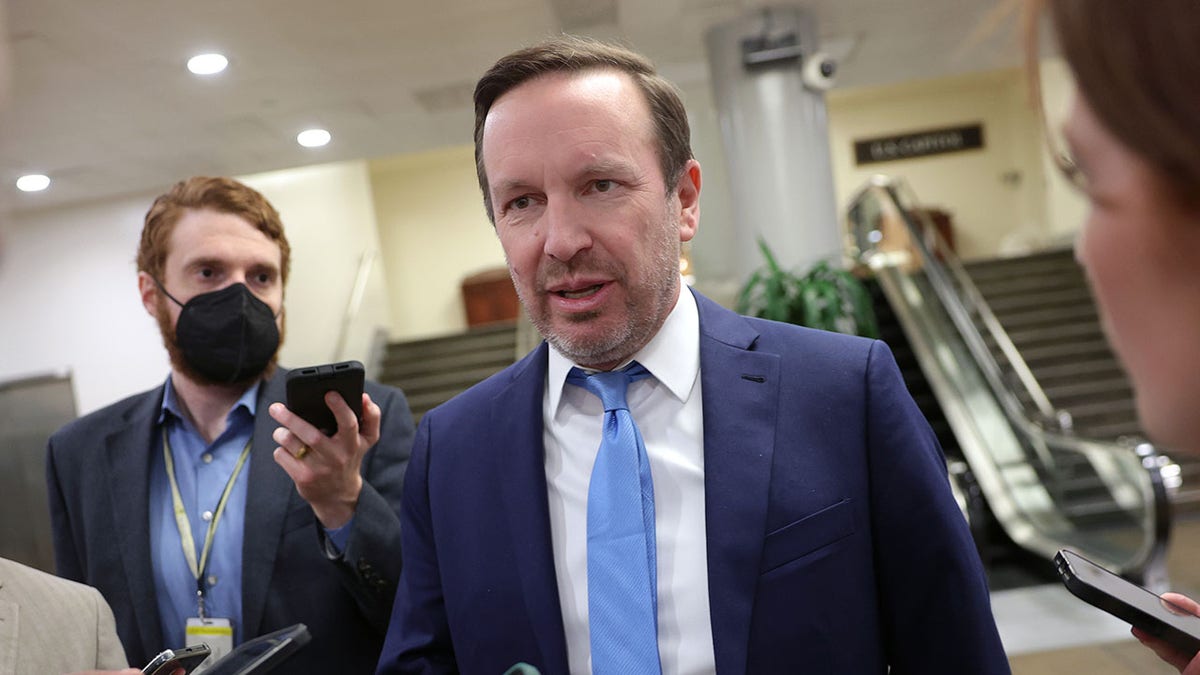
Analysis: Navigating the Recovery Path
Looking ahead, the focus for Senator Murphy will be on physical and neurological rehabilitation. The recovery process after a stroke often involves a multidisciplinary approach, including physical therapy, occupational therapy, and, if necessary, speech therapy. The duration of this process depends on the extent of the impact on the brain’s functionality.
For a politician, the return to work is often a gradual process. The high-stress environment of the U.S. Senate, combined with the rigorous schedule of national campaigning, presents a unique challenge for those recovering from serious health setbacks. Political strategists suggest that upon his return, the senator may need to prioritize his legislative workload, potentially delegating more of his campaign-related travel to other high-profile surrogates.
Ultimately, the incident serves as a stark reminder of the human element behind the machinery of government. Senators are subject to the same health risks as any other citizen, and their vulnerability often serves to humanize the political figures who dominate the daily news cycle. As the political world waits for updates on his recovery, the consensus remains that his health is the priority, with the legislative and political implications to be navigated once he has regained his strength.
Looking Toward the Future
As the week progresses, the political community will likely look for signs of the senator’s progress as an indicator of when he might return to the Senate floor. The 2026 and 2028 political calendars are already becoming dense with activity, and Senator Murphy’s role as a potential national candidate makes his health a matter of public interest beyond the borders of Connecticut.
For now, the focus remains firmly on the medical team at Johns Hopkins and the senator’s personal recovery. The transparency of the communication from his office has been a hallmark of his tenure, and it is expected that they will continue to provide updates as the senator hits milestones in his recuperation. The resilience of the human body, coupled with the sophisticated care available in the modern medical system, offers a hopeful outlook for a man who has played a vital role in the contemporary American political landscape.

