
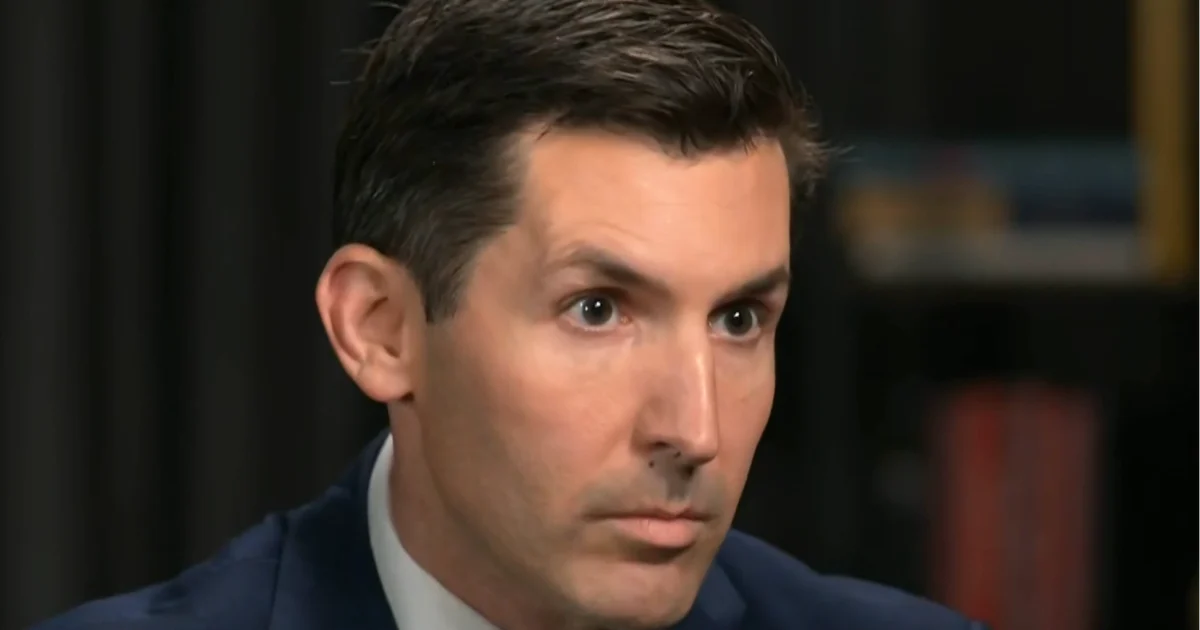
The political landscape of Washington underwent a dramatic shift following resounding Republican losses in the midterm elections, triggering high-profile departures within the executive branch and intensifying internal battles over the direction of the federal health agenda. In the wake of these electoral defeats, former White House senior adviser Calley Means stepped forward to outline sweeping allegations of institutional corruption, corporate capture, and fierce power struggles at the highest levels of government. Speaking on Face the Nation, Means detailed the friction points within the administration surrounding the Make America Healthy Again (MAHA) initiative, which operates under the leadership of Health and Human Services Secretary Robert F. Kennedy Jr.
The turmoil culminated in the departure of White House Chief of Staff Susie Wiles, a move that opened the door for the elevation of policy adviser Stephen Miller to a more central operational role. According to Means, Wiles and a closely knit cohort of political operatives systematically undermined President Donald Trump’s core populist and public health promises by catering to powerful special interest groups, including the ultra-processed food, pharmaceutical, vaping, and pesticide industries.
The Battle Over Corporate Influence and Policy Priorities
At the core of the controversy is a fundamental dispute over whether executive branch policy-making should align with campaign pledges aimed at sweeping health and systemic reforms or accommodate the financial interests of major corporate donors. Means pointed to several key policy initiatives that he claimed were deliberately delayed, watered down, or blocked under the previous administrative structure to protect industry revenues.
Among the central flashpoints was the effort to establish a formal federal definition for ultra-processed foods. Means asserted that despite interagency support from the Department of Agriculture and widespread backing from medical organizations such as the American Heart Association and the American Academy of Pediatrics, the proposal was abruptly shelved. He alleged that food industry lobbyists directly threatened to intervene through Wiles’s office to halt the measure, fearing transparent labeling would accelerate declining consumer demand for their products.
Further friction emerged around regulatory actions concerning e-cigarettes and alternative nicotine delivery devices. Former FDA Commissioner Dr. Marty Makary resigned in May 2026 amid mounting pressure from tobacco interests seeking more favorable frameworks for fruit-flavored vapes. Means and other administration critics argued that tobacco companies utilized political connections and substantial political action committee donations—such as a $5 million contribution from an affiliate of Reynolds American to the MAGA Inc. super PAC—to lobby for relaxed regulatory oversight.
Similar battles were waged over the regulation of kratom, an herbal substance often sold at convenience stores, and the legal status of the widely used herbicide glyphosate. Means accused administration officials and former FDA appointee candidates of working alongside the Department of Justice to draft Supreme Court briefs shielding glyphosate manufacturer Bayer from state-level liability claims, all without the explicit consultation of Secretary Kennedy or the president.
Rebuttals and Denials from Central Figures
The allegations leveled by Means drew swift denials and extensive pushback from the individuals and entities named in the broadcast. Former Chief of Staff Susie Wiles defended her tenure to CBS News, stating that President Trump "did more for MAHA than any president before or likely any president in the future." Wiles also rejected claims that she orchestrated meetings between the president and tobacco lobbyists or possessed advanced knowledge of travel undertaken by political strategists to Republika Srpska.
Tony Fabrizio, head of the outside polling firm relied upon by the White House, dismissed allegations that his policy evaluations were compromised by corporate clients. In a statement released following the broadcast, Fabrizio called the claims demonstrably false, noting that he had actively encouraged Republican lawmakers to campaign on issues that challenged the financial interests of major pharmaceutical firms.
Additional responses came from political strategist James Blair, who was accused by Means of prioritizing tobacco and vaping interests over public health initiatives. Blair countered that his role focused strictly on ensuring the Food and Drug Administration processed nicotine delivery applications within statutory six-month timelines, accusing critics of intentionally misrepresenting his responsibilities due to policy disagreements.
Representatives for Continental Strategy, the lobbying firm associated with Katie Wiles, also issued formal denials, characterizing the claims regarding firm revenue growth and specific lobbying activities as inaccurate and baseless. Legal representation for Dr. Heidi Overton similarly defended her record, emphasizing support from former FDA commissioners and dismissing accusations of regulatory obstruction.
A New Phase for the MAHA Initiative and Bipartisan Horizons
With the departure of Wiles and the empowerment of Stephen Miller—whom Secretary Kennedy publicly labeled the strongest MAHA supporter in the administration—proponents of the health initiative view the current political moment as a pivotal turning point. Means argued that the primary obstacle to reform is not partisan division, but an entrenched culture of institutional corruption that spans decades and implicates lawmakers across the political spectrum.
Despite deep skepticism from congressional Democrats regarding the administration’s broader policy record and past controversies surrounding vaccine messaging, MAHA advocates maintain that health care reform shares significant overlap with populist Democrats like Senator Bernie Sanders and Senator-elect Abdul El-Sayed. Proponents suggest that issues such as soaring health care expenditures, chronic childhood illness rates, pediatric cancer, and environmental toxin reviews represent nonpartisan opportunities for structural legislative action.
However, political analysts note that public perception remains deeply polarized. Exit polls from the midterm elections indicated that a majority of voters held critical views of the administration’s impact on public health and vaccine access, complicating efforts to forge broad consensus. Furthermore, congressional Democrats have signaled intentions to launch rigorous investigations and hearings into federal agency oversight, drug approval processes, and potential ethics conflicts among executive branch personnel.
As the administration navigates the remainder of its term, the intersection of populist health mandates, powerful corporate lobbying, and legislative oversight will undoubtedly shape the trajectory of federal policy, testing the viability of transformative reform in an increasingly contentious Washington environment.

