
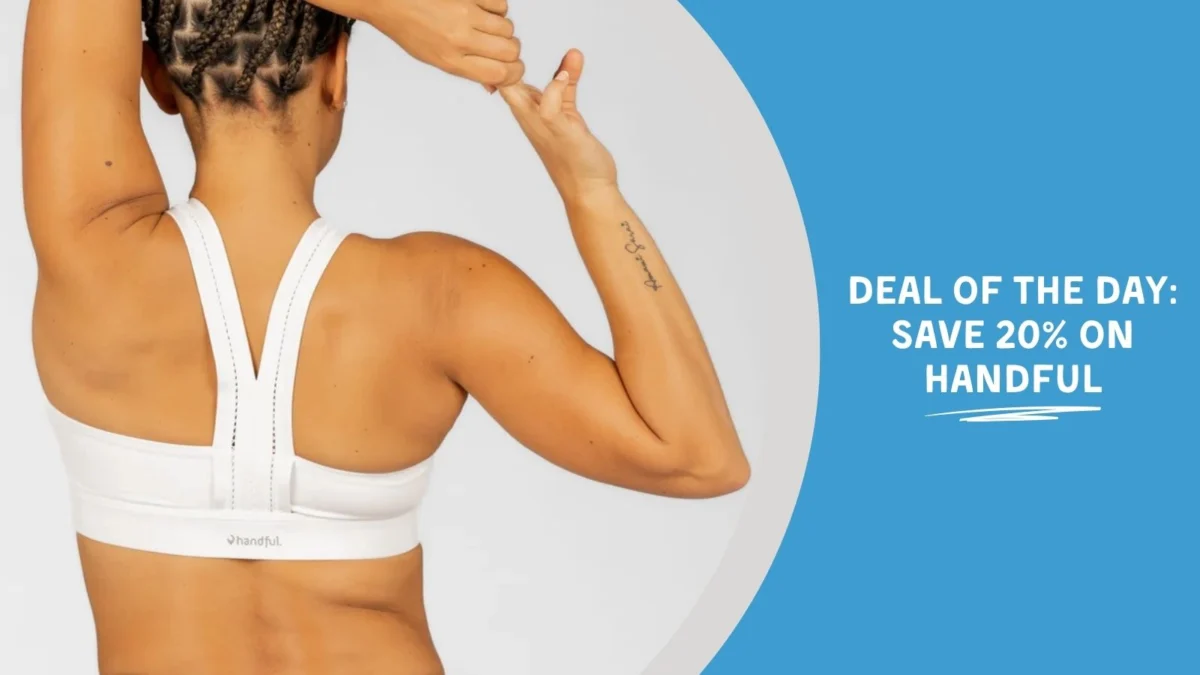
The demands placed upon modern educators have reached unprecedented levels, necessitating a greater focus on personal well-being and ergonomic support during the long school day. In response to these evolving professional requirements, Handful, a prominent activewear manufacturer, has officially announced a new discount initiative tailored specifically for the teaching community. This program provides eligible educators with a 20% reduction on all purchases, a move intended to alleviate the financial burden of procuring high-quality, supportive apparel. By utilizing the ID.me verification platform, teachers across the United States can now access this benefit, marking a strategic effort by the company to align its commercial objectives with the needs of the public education workforce.
The Physical and Financial Realities of the Teaching Profession
Current labor statistics indicate that the teaching profession involves significant physical activity, with educators frequently remaining on their feet for the majority of a seven-to-eight-hour workday. Beyond the classroom, teachers often manage a complex ecosystem of administrative duties, extracurricular supervision, and lesson planning, leaving little time for self-care or the pursuit of physical fitness. According to recent surveys from the National Education Association (NEA), educator burnout is at an all-time high, with physical discomfort and stress management cited as primary contributors to early-career attrition.
The apparel industry has long recognized the importance of "athleisure"—a category of clothing designed for both athletic performance and casual wear. For teachers, the utility of such clothing is twofold: it provides the necessary physical support—such as compression and moisture-wicking properties—required for a high-energy environment, while also offering the durability needed for the varied tasks inherent in school life. However, premium activewear often commands a price point that can be prohibitive for educators working on public salary scales. The introduction of the Handful discount addresses this gap, acknowledging that when educators are physically supported and comfortable, their overall efficacy in the classroom is bolstered.
Historical Context of Educator Discounts
The practice of offering professional discounts to teachers is a long-standing tradition in the retail sector, serving as a form of social corporate responsibility. Historically, these discounts have been concentrated in the areas of classroom supplies and educational software. However, the post-pandemic retail landscape has seen a pivot toward "wellness-focused" perks. Retailers are increasingly recognizing that the "whole teacher" requires support, not just the "instructor."
The integration of ID.me—a digital identity network—into this process marks a significant shift in how these benefits are administered. Previously, discount verification often required physical identification cards or school-issued email addresses, which were prone to fraud or inefficiency. The transition to a centralized, secure, and automated verification system allows brands like Handful to scale their discount programs efficiently, ensuring that the benefits are reserved for bona fide school personnel while reducing the administrative burden on the company’s internal teams.
Analysis of the Handful Brand Mission
Handful, known primarily for its high-impact sports bras and versatile movement-focused activewear, has positioned its product line around the concept of "real-life" functionality. The brand’s design philosophy prioritizes a balance between technical performance and aesthetic versatility. In an interview context, industry analysts suggest that the company’s focus on supportive infrastructure—such as adjustable straps and high-quality textiles—is particularly well-suited for the demographic of K-12 teachers who require comfort during long hours of physical engagement.
The company’s decision to launch this initiative is a reflection of a broader corporate trend where brands leverage their inventory to build brand loyalty among public sector workers. By establishing a 20% price reduction, Handful is effectively lowering the barrier to entry for their product line. This serves two purposes: it provides immediate financial relief to the consumer, and it introduces the brand to a professional demographic that is highly likely to repeat purchases if the quality meets their expectations.
The Role of ID.me in Retail Verification
The efficacy of this new discount program relies heavily on the integration of ID.me. This third-party verification service has become the industry standard for verifying the status of military personnel, first responders, students, and teachers. For the user, the process is streamlined: after selecting items for purchase, the consumer selects the educator verification option at checkout. The system cross-references the user’s employment data with public and private databases. Once confirmed, the 20% discount is applied automatically.
This methodology provides a high degree of security for both the retailer and the teacher. It prevents the unauthorized use of the discount by non-eligible parties and provides the teacher with a seamless shopping experience that does not require the submission of sensitive personal documentation directly to the retailer. The adoption of this technology by Handful signals a move toward a more sophisticated, data-driven approach to corporate social responsibility.
Broader Economic Implications for Educators
When viewed through the lens of economic impact, these discounts function as an indirect supplement to teacher compensation. In many regions, educator salaries have not kept pace with the rising cost of living, leading to a tightening of household budgets. When essential items—including durable clothing for professional or personal use—are made available at a reduced cost, it allows educators to reallocate their limited discretionary income to other areas of need.
Furthermore, the emphasis on activewear reflects a broader cultural shift toward prioritizing health and fitness. By incentivizing the purchase of high-quality activewear, brands may inadvertently encourage physical activity among a demographic that is often too time-poor to prioritize their own wellness. While the discount is a modest tool, its cumulative effect, when combined with similar programs across the retail sector, represents a meaningful reduction in the cost of living for those in the education sector.
Future Outlook and Community Feedback
The initiative is not static; it is part of a larger, evolving dialogue between brands and their consumers. Handful has signaled that it is receptive to consumer feedback, inviting educators and other customers to suggest further areas for improvement or potential additions to their discount programs. This feedback loop is essential for the longevity of the program, as it ensures that the company remains responsive to the changing needs of the teaching community.
As the retail sector continues to navigate economic fluctuations, the sustainability of such programs will depend on their ability to generate long-term brand loyalty. If the program successfully translates into a positive consumer experience, it is likely that other boutique activewear firms will follow suit, creating a competitive environment that ultimately benefits the end-user.
In conclusion, the partnership between Handful and the educator community through this 20% discount program is a practical development in the intersection of corporate policy and public service support. By acknowledging the physical demands placed upon teachers and providing a streamlined, secure mechanism for financial relief, the initiative serves as a model for how specialized brands can meaningfully contribute to the well-being of essential professionals. As schools continue to face systemic challenges, these small, tangible acts of support provide a necessary measure of relief for those dedicated to the classroom. Educators are encouraged to verify their credentials via the Handful website to begin utilizing the discount, ensuring they have the equipment necessary to maintain their health and performance throughout the academic year.

