
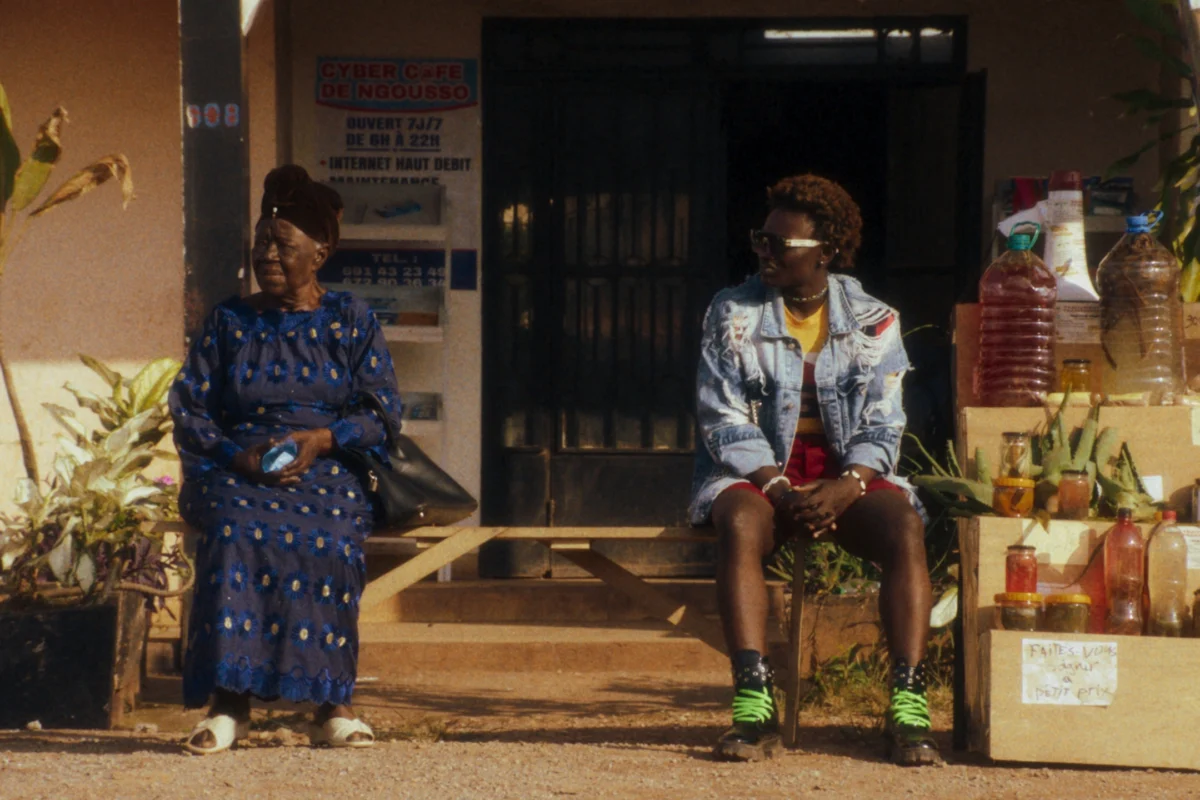
The 23rd edition of the Marrakech International Film Festival concluded this Saturday on a note of historic triumph, as Cameroonian director Auguste Bernard Kouemo Yanghu’s poignant feature House of the Wind secured the coveted Etoile d’Or. The win marks a significant milestone for a festival that has spent over two decades positioning itself as a vital bridge between global cinema and the vibrant, growing cultural landscape of Morocco. As the curtains fell on this year’s festivities, the event solidified its reputation not merely as a high-profile industry gathering, but as a deeply rooted institution that commands both international prestige and local devotion.
House of the Wind, a delicate exploration of aging, the persistence of memory, and the evolving nature of familial bonds, resonated deeply with the nine-member jury. The film, which follows an elderly woman played by Josette Kwanya as she navigates the complexities of solitude and unexpected neighborhood companionship, was praised for its stylistic restraint and emotional depth. Having previously garnered acclaim at the Venice Film Festival—where it secured the Lion of the Future for best debut—the film’s victory in Marrakech cements Yanghu’s status as a formidable new voice in world cinema.
A Jury of Global Acclaim
The decision to award the top prize to Yanghu was unanimous, according to jury president and Oscar-winning French actress Marion Cotillard. Speaking on behalf of the panel, which included heavyweights such as Emma Mackey, Vicky Krieps, and Andrew Haigh, Cotillard underscored the film’s unique ability to transcend cultural boundaries.
“Some films move you deeply and stay with you long after the screening ends,” Cotillard remarked during the closing ceremony. “It is a film that overwhelmed us with its gentleness, the beauty of its direction and the audacity of its performance. It speaks of exile but chooses to look at those who stay rather than those who leave.”
The jury’s composition reflected the festival’s commitment to diversity and global artistic exchange. With members hailing from Denmark, France, the United Kingdom, and Morocco, the panel brought a wide range of perspectives to the selection process. The presence of figures like Kaouther Ben Hania, known for her incisive work in documentaries and narrative features, and Moroccan producer Saïd Hamich Benlarbi, ensured that the evaluation process balanced global standards with regional contextual awareness.
A Competitive Landscape of Emerging Voices
While House of the Wind took the top honor, the competition sections highlighted a robust year for international debuts and sophomore features. The jury prize was awarded to Mexican filmmaker Fernanda Tovar for Sad Girlz, a nuanced look at adolescent trauma and friendship that had previously earned praise at the Berlin Film Festival.
Furthermore, the festival acknowledged the profound impact of historical memory with a special mention for Marie-Clémentine Dusabejambo’s Ben’Imana. A powerful narrative centered on reconciliation in post-genocide Rwanda, the film—which previously won the Camera d’Or at Cannes—served as a reminder of the festival’s dedication to films that grapple with the complexities of trauma and healing.
The directorial prowess on display was exemplified by Rafiki Fariala, who won the best director award for Congo Boy. The film, a musical drama about a young Congolese refugee, has been widely lauded by critics for its rhythmic storytelling and raw, authentic portrayal of resilience in a war-torn environment. Fariala’s success follows his 2022 breakout work, We, Students!, indicating a rapid and impressive trajectory for the young filmmaker.
Acting honors were distributed to performances that defined the emotional stakes of their respective narratives. Maria Nakouzi and Rym Mroue shared the best actress award for their roles in Rami Kodeih’s Furies, a high-stakes heist thriller representing Lebanon for the 2027 Oscars. Meanwhile, Béonard Monteau was named best actor for his evocative performance in Gessica Généus’s Marie Madeleine, a bold reinterpretation of biblical archetypes that challenged conventional cinematic portrayals of faith and social standing.
The Evolution of the Marrakech International Film Festival
The 23rd edition of the festival was not only a success in terms of artistic recognition but also a statistical landmark. With approximately 50,000 attendees recorded this year, the festival has effectively surpassed the previous year’s record of 45,000. This growth is particularly notable given the festival’s strategic shift in recent years toward fostering a deeper, more consistent relationship with the Moroccan public.
Festival coordinator Ali Hajji noted that the numerical growth is secondary to the quality of the engagement. “Over the years, we have built a genuine relationship of trust with our audiences,” Hajji explained. “People are increasingly willing to discover films they know very little about by filmmakers they may have never heard of. For a festival like Marrakech, that is one of the most meaningful measures of success.”
The festival has undergone a significant transformation since its inception, moving away from being a mere showcase for international stars toward becoming a hub for emerging talent and a destination for serious cinephiles. The integration of local audiences into the heart of the festival’s operations has been a deliberate, long-term strategy. By prioritizing educational programs, workshops, and screenings that appeal to the country’s youth, the festival has ensured that it remains relevant to the next generation of Moroccan storytellers and viewers.
Analyzing the Impact: Beyond the Red Carpet
The success of this year’s edition points to a broader trend in the international film circuit: the rising importance of "festival ecosystems" that balance global industry interests with regional cultural impact. Marrakech, by cultivating an environment where international delegates and local students rub shoulders, has created a unique social capital.
From a sociological perspective, the festival’s focus on themes like exile, migration, and post-colonial reconciliation—as evidenced by the winning films—suggests that it has successfully positioned itself as a forum for the "Global South." The films selected for this year’s program were not merely entertainment; they were dialogues on the human condition.
The economic implications are equally significant. As the city of Marrakech continues to thrive as a hub for international tourism and culture, the film festival serves as a primary driver of cultural branding. The "convergence of international recognition and local ownership," as described by Hajji, is a rare balance that few festivals achieve. Maintaining this equilibrium will be the central challenge for the festival’s leadership in the coming years.
A Look Toward the Future
As the festival looks toward its 24th iteration, the focus is clearly shifting from scale to depth. While the growth in attendance is a positive metric, the organizational goals for the future emphasize sustainability and artistic consistency. The festival is currently exploring ways to extend its influence beyond the one-week event, potentially through expanded year-round exhibition programs or increased investment in regional film production.
The success of House of the Wind and the wider selection of winners provides a roadmap for what the festival values: films that are audacious in their vision, compassionate in their storytelling, and deeply rooted in their specific cultural contexts. By providing a platform for voices that might otherwise be marginalized by mainstream commercial cinema, the Marrakech International Film Festival has solidified its role as a vital custodian of world cinema.
In a rapidly changing media landscape, where streaming platforms and digital consumption have altered how audiences engage with film, the physical gathering at Marrakech remains a testament to the enduring power of the communal cinematic experience. Whether it is the shared silence of an audience watching a quiet, moving portrait of aging, or the collective tension of a heist thriller, the festival continues to prove that cinema is, at its core, an act of connection.
As the attendees disperse and the industry turns its eyes toward the next festival cycle, the 23rd Marrakech International Film Festival leaves behind a legacy of growth, reconciliation, and a reaffirmed commitment to the art of the moving image. It is an event that has successfully navigated the complexities of its own identity, emerging not just as a festival in Morocco, but as a truly Moroccan festival that the world has come to admire.

