

The modern digital landscape is increasingly defined by a phenomenon known as "doomscrolling"—the act of compulsively consuming negative news or social media feeds for extended periods. While the term only entered the common lexicon around 2020 during the height of the global pandemic, the behavior has since become a ubiquitous aspect of daily life. Characterized by a continuous, mindless cycle of swiping through digital content, this habit often leaves users feeling heightened levels of anxiety, fatigue, and a distorted sense of reality. As technology companies continue to refine algorithms designed to maximize user retention, breaking free from these cycles requires more than mere willpower; it demands a systematic, technological, and behavioral approach to digital hygiene.
The Evolution of the Infinite Scroll
The mechanism that fuels doomscrolling—the "infinite scroll"—was popularized in the mid-2010s. Originally designed by Aza Raskin, the interface was intended to create a seamless user experience, but it quickly became the bedrock of attention-based business models. By removing "stopping cues"—natural breaks in content like the bottom of a webpage—designers effectively eliminated the psychological checkpoint that might otherwise prompt a user to disengage.

Research from the University of California, Irvine, has indicated that the average office worker is interrupted every three minutes, and once distracted, it can take up to 23 minutes to return to the original level of focus. When these interruptions are self-inflicted through mobile devices, the cognitive cost is compounded. By 2026, data suggests that the average global screen time per user has climbed to nearly seven hours per day, a significant portion of which is dedicated to passive consumption rather than active engagement.
Physiological and Psychological Implications
The cycle of doomscrolling is not merely a waste of time; it is a physiological event. Constant exposure to alarming headlines and emotionally charged social media commentary triggers the body’s sympathetic nervous system, leading to the release of cortisol and adrenaline. Over time, this chronic activation of the "fight-or-flight" response can lead to sleep deprivation, heightened baseline anxiety, and reduced capacity for complex problem-solving.
Psychologists emphasize that the behavior is often a maladaptive coping mechanism. Users often turn to their screens during moments of boredom or transition—such as standing in a checkout line or sitting on public transit—seeking a sense of control or information in an uncertain world. However, because the information presented is often beyond the user’s influence, the result is a sense of "learned helplessness," where the user feels burdened by global issues they cannot address, leading to a profound sense of emotional burnout.
A Multilayered Strategy for Digital Disengagement
To counteract these ingrained habits, users must employ a combination of software-based restrictions and physical environmental changes. The following strategies offer a comprehensive framework for regaining control over one’s digital life.
1. Leveraging Grayscale and Interface De-escalation
The human brain is evolutionarily wired to respond to bright, high-contrast colors, which trigger dopamine release. By stripping the smartphone interface of these stimuli, users can make the experience of using their device significantly less "rewarding" to the subconscious. Both iOS and Android provide robust accessibility features to achieve this. On Android, the Digital Wellbeing suite allows for automated "Bedtime Mode," which shifts the display to monochrome. iPhone users can utilize the "Color Filters" setting within Accessibility to achieve the same effect, or automate the transition using the Shortcuts app to ensure the phone becomes less visually appealing at a set time each evening.
2. Implementing Algorithmic and Systemic Time Limits
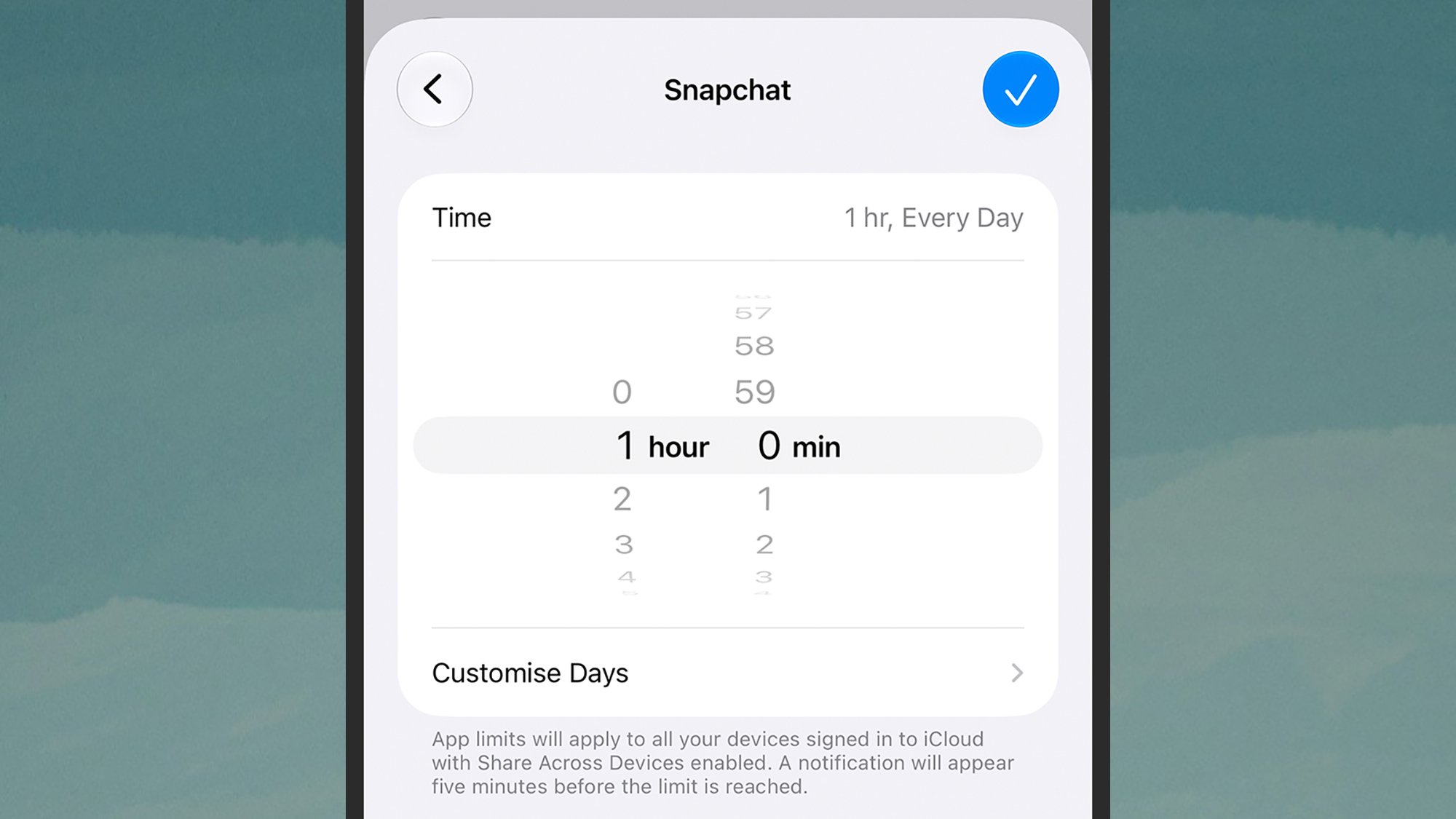
Operating systems now integrate sophisticated monitoring tools that allow users to enforce strict boundaries on app usage. Rather than relying on sporadic self-monitoring, users can set "App Timers" that force the phone to lock or dim the application once a daily quota is reached. While these can be bypassed, the act of overriding a system notification introduces a moment of conscious friction, forcing the user to acknowledge their behavior. Evidence suggests that reducing these limits incrementally—for instance, shaving five minutes off a daily social media allowance each week—is more effective than attempting cold-turkey abstinence.
3. Gamification as a Behavioral Correction
Several developers have introduced "gamified" productivity apps designed to turn the act of staying off one’s phone into a competitive or rewarding experience. Apps like Forest or Focus Friend operate on the principle of positive reinforcement. By planting virtual trees or assisting characters during periods of sustained focus, users receive a measurable reward for their abstinence. This shifts the digital interaction from a negative cycle of consumption to a constructive cycle of achievement, effectively retraining the brain’s reward pathway.
4. The "Pause Point" Methodology
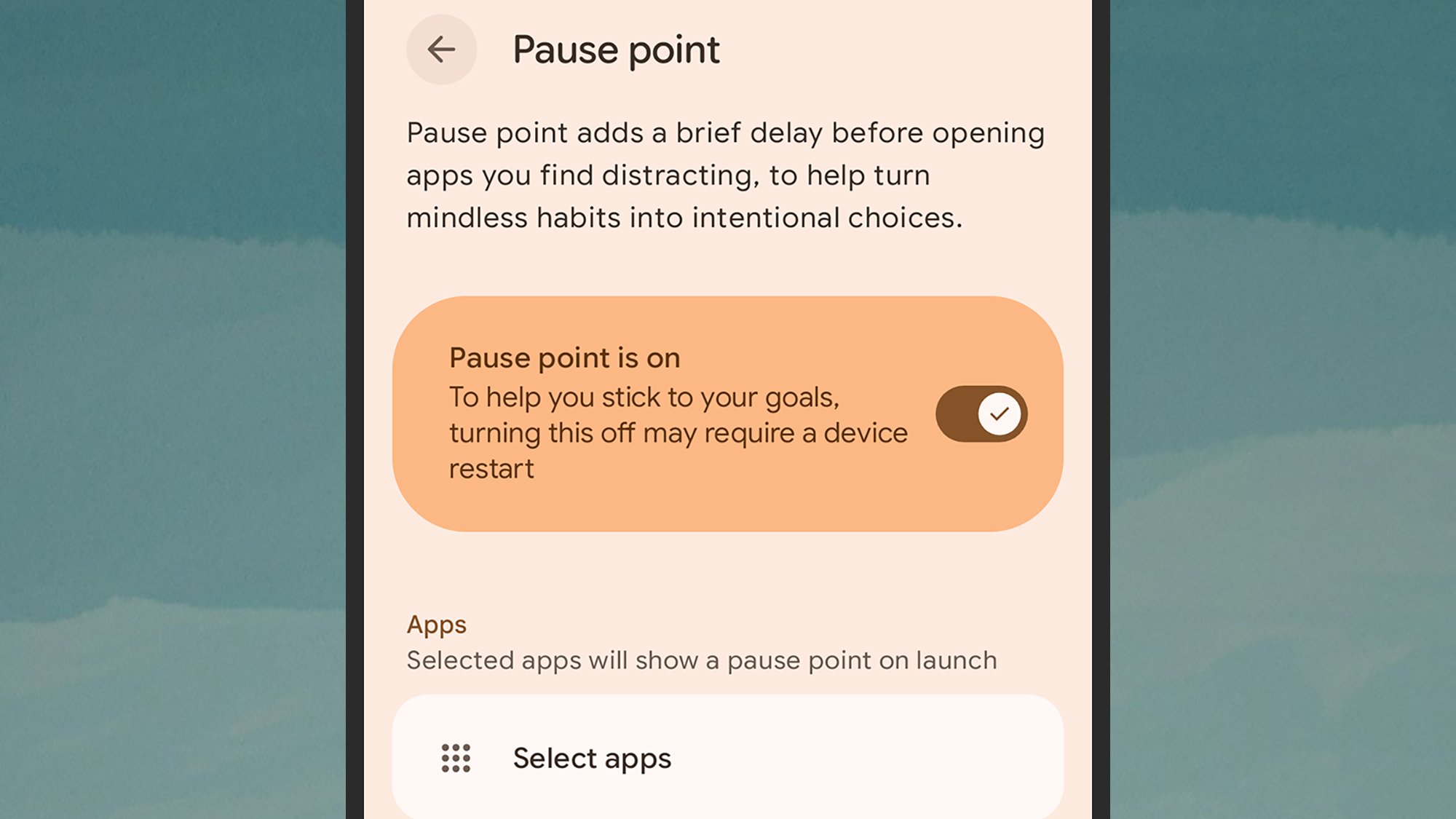
Newer operating system updates, particularly on high-end hardware like Google’s Pixel series, have begun introducing "Pause Points." These are intentional interjections designed to break the flow of the infinite scroll. Before a user enters a high-distraction app, the system may trigger a brief, mandatory interlude—such as a guided breathing exercise or a curated, non-stressful photo gallery. This serves as a "cognitive speed bump," giving the user a moment to re-evaluate their intent before becoming submerged in a feed.
5. Physical Hardware Interventions
For those who find digital solutions insufficient, the market has seen a rise in "physical keys" or "bricks" that provide a hard disconnect. These devices use NFC technology to physically lock a phone out of specific applications. By requiring a physical action to unlock the device, the user introduces a level of premeditation that is absent from the impulse to simply tap an app icon. Products like the Brick or the Autonomous Key represent a shift in the tech industry toward "calm technology," where the device’s utility is balanced against the user’s mental health.
6. Curating the Notification Environment
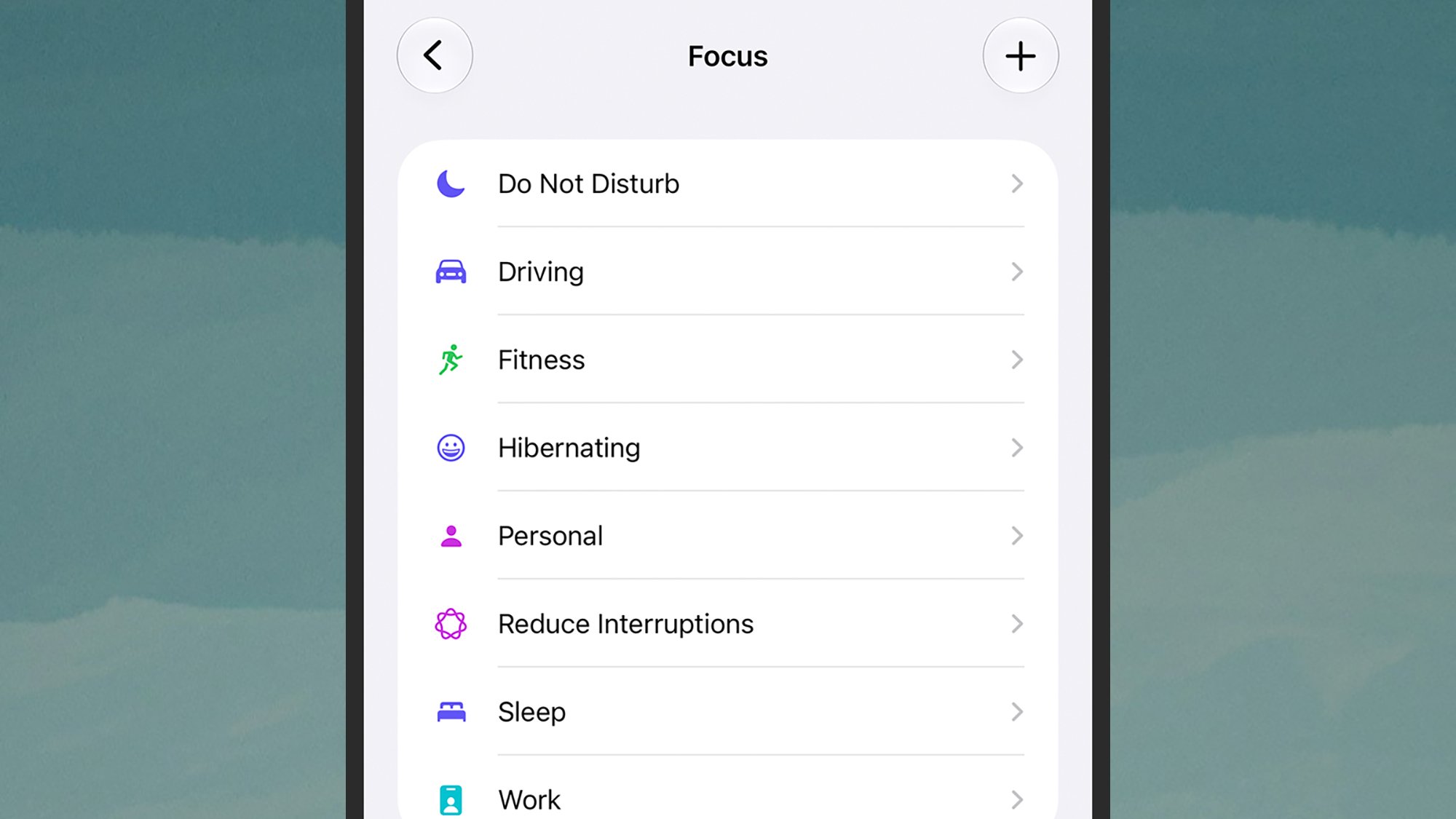
Notifications are the primary engine of user re-engagement. Most smartphone users receive dozens of pings daily, each designed to pull their focus back to the screen. A critical step in ending doomscrolling is the systematic disabling of non-essential alerts. By moving to an "opt-in" model for notifications—where only direct, personal communications are permitted to sound or vibrate—users can reclaim their focus. Utilizing features like "Notification Summaries" on iOS or "Notification Snoozing" on Android allows users to batch their interactions, shifting from reactive, constant monitoring to proactive, intentional engagement.
The Broader Societal Response
Industry experts and policy analysts have noted that the responsibility for managing this crisis cannot rest solely on the user. There is growing pressure on tech conglomerates to redesign their platforms with "humane technology" principles. This includes potential regulatory shifts that might require platforms to default to "off" for autoplay videos, or to require clear, non-manipulative stopping cues in news feeds.
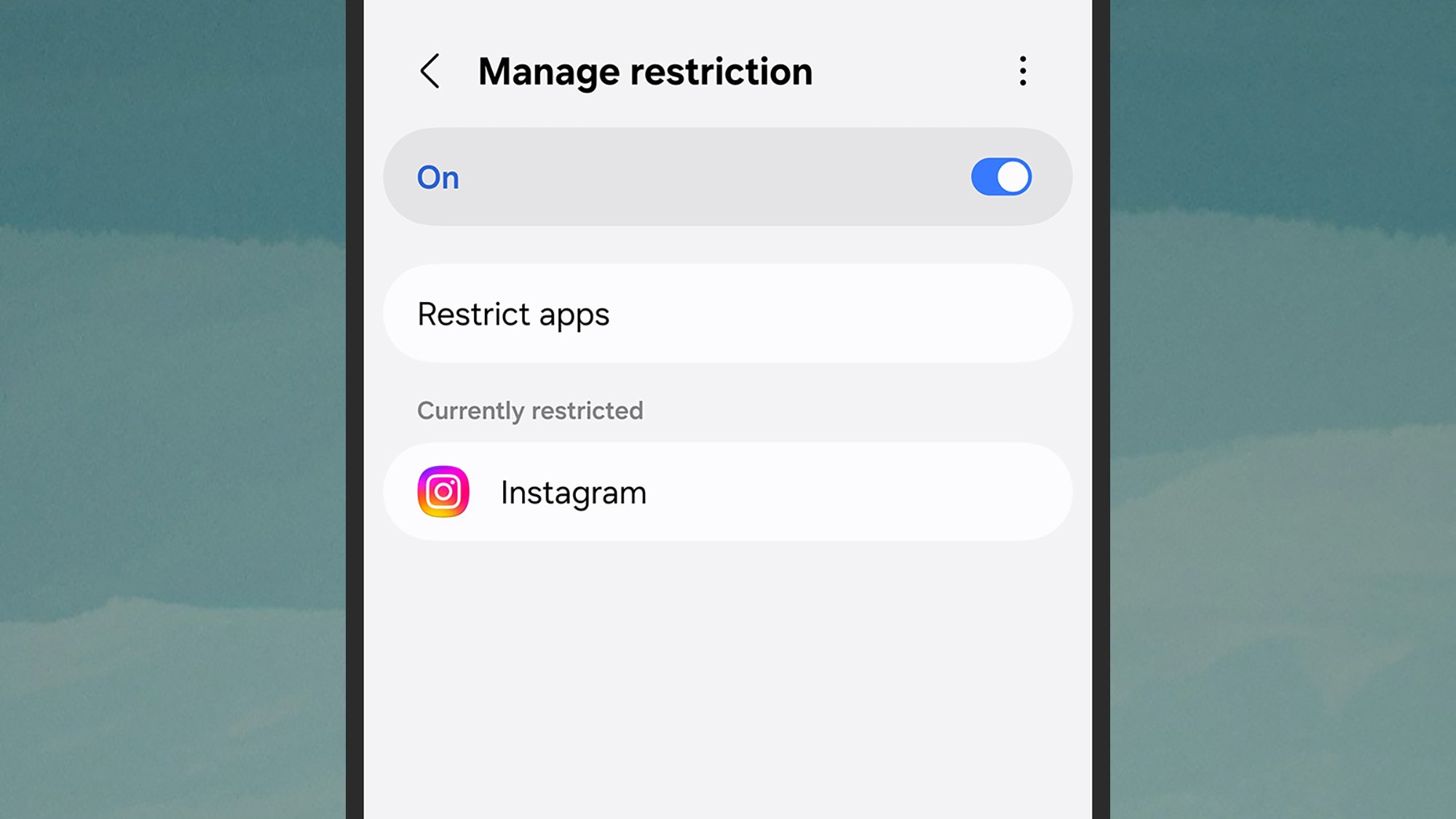
Some tech companies have responded by introducing their own "time management" dashboards, though critics argue that these features are often buried within deep sub-menus, rendering them ineffective for the average consumer. For instance, while Instagram allows for daily usage limits and "Quiet Mode," the ease of access to these features is often secondary to the platform’s engagement-first design.
Conclusion: Toward Digital Sovereignty
The objective of these interventions is not to advocate for a Luddite-like abandonment of technology, but rather to foster digital sovereignty. By understanding the mechanisms that drive compulsive usage, individuals can move from being passive subjects of algorithmic influence to active curators of their own attention. Whether through color correction, physical locks, or granular notification control, the goal remains the same: to ensure that the device serves the human, rather than the human serving the device. As we navigate the complexities of a 2026 digital environment, reclaiming one’s time is not just a personal convenience—it is a fundamental necessity for mental clarity and well-being.

