

The project, which has garnered significant attention from the local community and the broader arts world, invites artists to inhabit the sterile, once-hushed hallways of the hospital, turning patient rooms, surgical theaters, and administrative offices into canvases for intense emotional exploration. By juxtaposing the cold, functional history of a medical facility with the visceral, often messy reality of human emotion, the curators behind this initiative have created a unique dialogue between the legacy of healing and the necessity of emotional catharsis.
The Architectural Legacy of St. Vincent Medical Center
To understand the significance of this project, one must first look at the history of the location itself. St. Vincent Medical Center was not merely a hospital; it was a cornerstone of healthcare in Los Angeles for over a century. Founded in the mid-19th century and having moved to its iconic location in the Westlake district in the early 20th century, the hospital served as a beacon for those in need of medical intervention. It was a place where generations of Angelenos were born, where surgeries were performed to save lives, and where families gathered in waiting rooms to grapple with the fragility of existence.

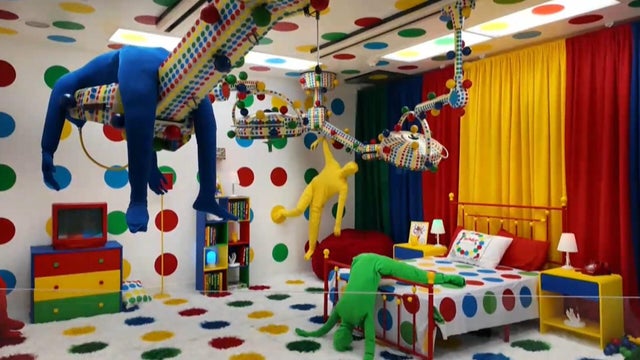
When the medical center shuttered its doors, it left behind a sprawling, hollowed-out complex that stood as a silent monument to its own past. The transition from a site of medical diagnosis to a site of emotional exhibition is intentional. The hallways, which once echoed with the sound of gurneys and the hushed tones of medical professionals, now host sound installations, mural projects, and immersive sensory experiences designed to provoke introspection. The curators of the "Hospital of Emotions" argue that the architecture itself acts as a medium; the heavy doors, the long, dim corridors, and the remnants of medical equipment create a landscape that inherently speaks to the vulnerability of the human condition.

A Chronology of Transformation
The timeline of this transition reflects the broader trends in urban development and the creative reuse of space. Following the facility’s decommissioning, the site remained largely dormant, a common fate for large-scale institutional buildings in major cities. However, in the months leading up to the current exhibition, organizers began to work with artists to reclaim the space.

- Initial Decommissioning: The hospital officially ceased operations, leaving behind a complex that required a new identity.
- Artistic Acquisition: A collective of local artists and curators recognized the potential for the site to serve as a hub for public art. They negotiated access, focusing on preserving the integrity of the building’s history while allowing for extensive interior modification.
- The Installation Phase: Over several months, artists were given specific wings or rooms to transform. This was not a passive curation; it was an active occupation where the artists lived with and within the space, often incorporating the history of the rooms—such as an old operating theater or a pediatric ward—into their final pieces.
- Public Opening: The exhibition opened to the public, drawing visitors into a space that demanded a slower, more deliberate engagement with art than a traditional gallery.
Data and Scope: The Scale of the Project
The scale of the project is massive. The "Hospital of Emotions" spans several floors, with dozens of individual installations. Each room functions as a self-contained narrative. According to the event organizers, the exhibition includes:

- Over 50 unique installations: Ranging from sculpture and painting to digital media and performance art.
- 10,000+ square feet of utilized space: Transforming former patient wards into immersive environments.
- Collaborations with local community groups: Including mental health advocacy organizations and local schools, which have integrated the space into their own therapeutic or educational programming.
The data behind the project’s success is not just in attendance numbers, but in the qualitative feedback from visitors. Surveys conducted at the exit of the exhibition indicate that a significant majority of attendees report a shift in their understanding of how public spaces can be used to foster communal healing.
Thematic Focus: Grief, Healing, and Resilience
The installations at the "Hospital of Emotions" are unified by their focus on the "difficult emotions"—those that society often encourages us to suppress or hide behind a veneer of professionalism. In the context of a hospital, this becomes particularly powerful.

For instance, one installation in a former surgery recovery room features a series of light-based sculptures that pulse in rhythm with human heartbeats, designed to simulate the feeling of recovery after trauma. Another room, formerly a chapel, has been stripped of its traditional religious iconography and replaced with a collection of letters from anonymous citizens, each describing a secret sorrow or an unspoken fear. This "Wall of Whispers" has become a centerpiece of the project, serving as a communal archive of shared human struggle.

The curation team noted that the most successful pieces are those that bridge the gap between the building’s past life and its current purpose. By acknowledging that this building was once a place where lives were lost and saved, the artists pay homage to the history of the site while simultaneously asserting that healing is a process that extends beyond the physical body.

Official Responses and Community Impact
The reaction from the local neighborhood and the city’s cultural institutions has been largely positive. Urban planners have cited the "Hospital of Emotions" as a successful example of "meanwhile use"—a practice of utilizing vacant buildings for creative or community-based activities while long-term development plans are finalized.

A representative from the project’s advisory board stated, "We didn’t want to turn this into a place of nostalgia. We wanted to turn it into a place of action. By allowing artists to engage with the reality of death and illness that once defined this building, we are actually reclaiming it for the living. It is a way of saying that even when a function ends, the history of a place can still provide a foundation for growth."

Critics, however, have raised questions about the ethics of using a site of medical history for art. Some former staff members have expressed concern that the project might trivialize the serious work that once took place within those walls. In response, the curators have held forums to bridge this divide, ensuring that the legacy of the healthcare workers is honored throughout the exhibition.

Implications for the Future of Urban Art
The "Hospital of Emotions" carries significant implications for the future of urban design and the arts. As cities grapple with the realities of aging infrastructure and the need for more inclusive, community-oriented spaces, projects like this offer a blueprint for how to engage with the past without becoming trapped by it.

The success of this exhibition suggests that there is a deep, unmet public hunger for spaces that allow for emotional vulnerability. In a world that is increasingly digitized and fast-paced, the "Hospital of Emotions" forces a deceleration. It mandates that the visitor stop, look, and feel. It challenges the notion that medical buildings, once their utility is gone, are merely husks to be demolished or converted into luxury apartments.

Furthermore, the project serves as a model for interdisciplinary collaboration. By combining the expertise of psychologists, historians, architects, and visual artists, the organizers have created a multi-layered experience that resonates with people from all walks of life.

Conclusion: A Legacy of Reflection
The "Hospital of Emotions" at the former St. Vincent Medical Center is a testament to the resilience of the human spirit. It reminds us that our institutions are defined not just by their functions, but by the memories we imbue them with. As the exhibition continues to draw crowds, it stands as a poignant reminder that while the physical body may require medicine, the collective spirit often requires a space for expression.

In the end, the project is a success not because it pretends to be a hospital, but because it embraces the fact that it is no longer one. It honors the history of the site by acknowledging the gravity of the events that occurred there, while simultaneously providing a platform for the next generation to explore, document, and ultimately heal from the complex emotions of the modern era. Whether through a poem written on a wall or a light installation in a sterile room, the "Hospital of Emotions" ensures that the legacy of St. Vincent Medical Center remains a vibrant, evolving part of the Los Angeles cultural landscape, proving that even in the absence of medicine, there is still, undeniably, a cure for the loneliness of the human experience.

