
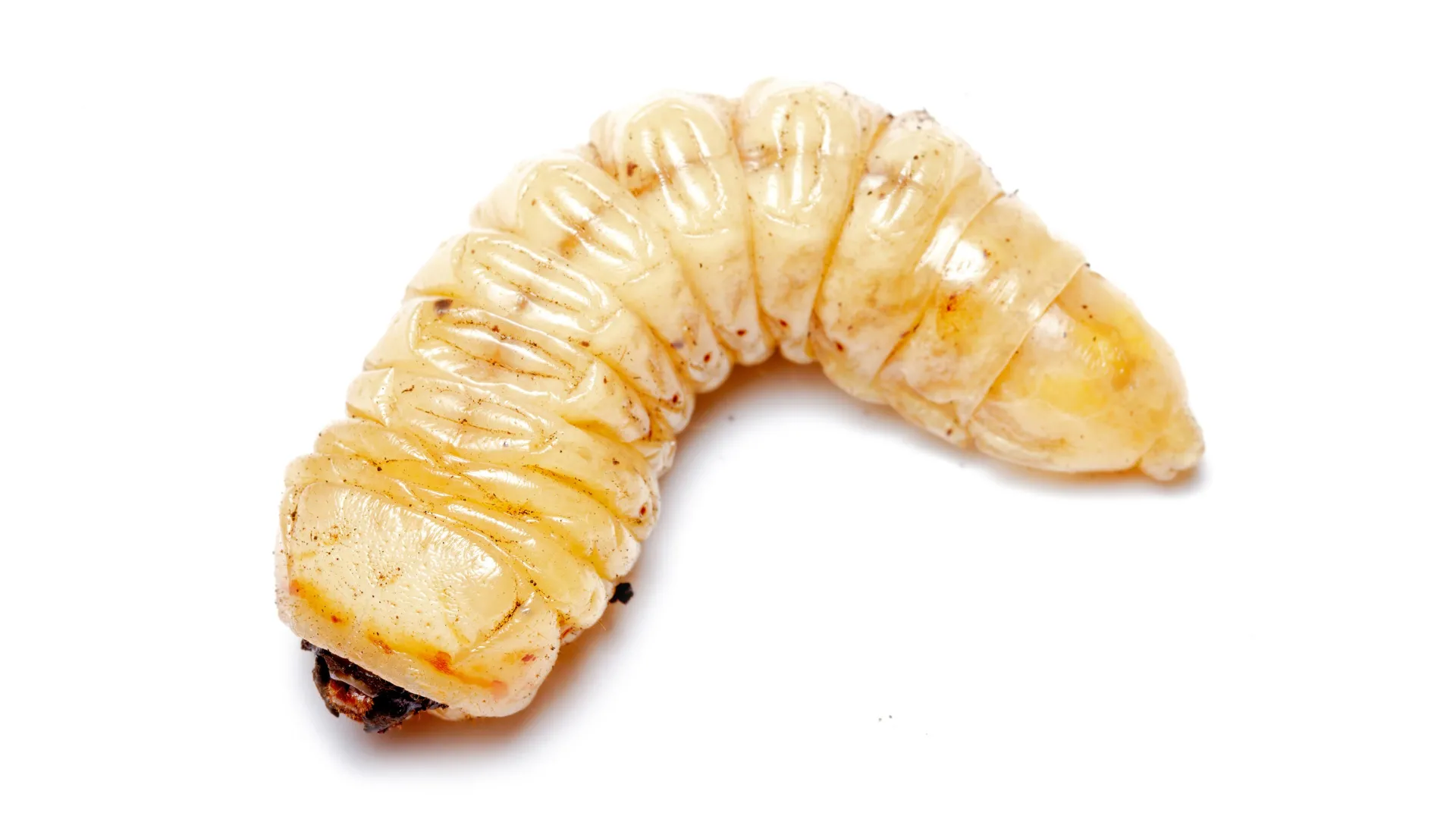
For more than ten years, blueberry growers across North Carolina have grappled with a silent, subterranean menace. Farmers reported healthy bushes suddenly wilting and dying, with root systems decimated by an unidentified, wood-boring larval pest. Despite the persistent economic damage to the state’s multi-million dollar blueberry industry, the culprit remained hidden, protected by the soil and masquerading as other, less harmful species. Today, thanks to a breakthrough study from North Carolina State University, the mystery is solved: the destructive insect is Prionus imbricornus, a longhorn beetle that has now been confirmed as an emerging threat to agricultural production.
The confirmation of P. imbricornus as a primary pest in blueberries marks a significant milestone in entomological research. By leveraging advanced genetic barcoding, researchers have finally bridged the gap between field observations and laboratory identification, providing a roadmap for future mitigation efforts. However, as growers now have a name for their adversary, they are simultaneously faced with the harsh reality that there are currently no approved chemical interventions specifically labeled to combat this beetle in blueberry fields.
A Chronology of a Silent Invasion
The struggle against Prionus larvae in North Carolina blueberry fields did not begin as an overnight crisis but rather as a slow, accumulating series of losses. The timeline of this agricultural mystery spans over a decade, highlighting the difficulties inherent in identifying pests that operate entirely out of sight.
- 2010–2015: Initial reports of "mystery root damage" began appearing in blueberry orchards across southeastern North Carolina. Growers observed stunted growth and unexpected bush mortality, but soil samples yielded only vague larvae that could not be definitively linked to a specific species.
- 2016–2020: As reports intensified, entomologists realized that traditional visual identification was insufficient. Larvae of various Prionus species look remarkably similar in their early stages, and the lack of accessible molecular data prevented a confirmed identification. The problem was categorized as an emerging concern, though the specific species remained unknown.
- 2021–2023: A dedicated research team at NC State University, led by graduate student Kenneth Geisert and assistant extension professor Lorena Lopez, launched a systematic study across Pender, Sampson, Bladen, and New Hanover counties.
- 2024: The publication of the team’s findings in the Journal of Integrated Pest Management formally identified Prionus imbricornus as the perpetrator, ending the years-long ambiguity and shifting the focus toward developing a management strategy.
The Biology of the Intruder
Prionus imbricornus, commonly known as a tile-horned prionus, is a species of longhorn beetle belonging to the family Cerambycidae. While the adults are recognizable by their distinctive, elongated antennae and robust bodies, they are not the phase of the insect that causes the agricultural damage.
The danger lies with the larvae. Female beetles deposit their eggs in the soil near the base of host plants. Once the larvae hatch, they burrow downward to the root zone. These larvae are formidable in size, capable of reaching lengths of up to five inches. Their primary diet consists of woody tissue, and in a blueberry orchard, they feed directly on the primary root system of the bushes.
Because the larvae can survive underground for multiple years, a single infestation can systematically destroy the root architecture of a bush, leaving the plant unable to absorb water or nutrients. By the time a farmer notices the symptoms—yellowing leaves, stunted berries, or the death of the entire plant—the larval damage is often irreversible. Furthermore, because these beetles are historically associated with hardwood trees, their shift to commercial blueberry crops represents a concerning shift in ecological host preference.
The Power of Genetic Barcoding
One of the primary obstacles researchers faced was the inability to distinguish P. imbricornus from other related longhorn beetle species. In the field, larval specimens are often damaged during extraction from the soil, and even intact larvae lack the unique morphological markers that define adult species.
To solve this, the research team utilized genetic barcoding—a molecular technique that sequences a standardized, short section of the insect’s DNA. By comparing the genetic signatures of the collected larvae against a comprehensive database of known adult beetle sequences, the researchers were able to achieve a 98 to 99 percent match with P. imbricornus.
This scientific precision is not merely an academic victory; it is a vital tool for economic survival. As Kenneth Geisert noted, misidentifying the pest can lead to catastrophic management errors. If a grower applies a pesticide intended for a trunk-boring beetle to combat a root-feeding larvae, the treatment will be entirely ineffective. Moreover, the use of broad-spectrum chemicals without understanding the target’s specific lifecycle can inadvertently destroy beneficial non-target insects, potentially leading to secondary pest outbreaks.
The Economic Stakes and Regulatory Gaps
North Carolina is a major producer of high-bush blueberries, and the presence of an uncontrolled, soil-dwelling pest creates significant volatility for the industry. The economic implications of losing established bushes are substantial; a blueberry bush takes years to reach peak productivity, and the cost of pulling out infested plants and replanting is a massive financial burden for growers.
The discovery that P. imbricornus is the culprit brings a sense of clarity, but also highlights a regulatory vacuum. Lorena Lopez, co-author of the study, emphasized the dual nature of this breakthrough. "On one hand, it’s very important that we know which species we’re dealing with," Lopez explained. "On the other, North Carolina was the first state to ever report Prionus infestation in blueberries, and there are no insecticides currently labeled against this pest in blueberries."
This regulatory gap means that growers currently have few legal, effective, and chemical-based options for protection. The industry is effectively in a "wait-and-see" position while researchers move into the next phase of the study: efficacy testing.
Moving Toward a Solution: Integrated Pest Management
With the identity of the pest confirmed, the NC State team is now focusing on the development of an Integrated Pest Management (IPM) strategy. The goal is to move away from reactive, broad-spectrum applications and toward a targeted, life-cycle-based approach.
Research is currently underway to identify the most vulnerable stages of the beetle’s reproductive cycle. By timing insecticide applications to coincide with the period when adults emerge to mate or when young larvae are newly hatched and closer to the soil surface, farmers may be able to disrupt the cycle before the larvae migrate deep into the root system.
Furthermore, the team is investigating cultural control methods. This includes soil management techniques, potential biological control agents—such as parasitic wasps or nematodes that target beetle larvae—and the use of pheromone traps to monitor population spikes in real-time.
Broader Implications for Agriculture
The case of P. imbricornus serves as a poignant reminder of the evolving challenges in modern agriculture. Climate shifts, changing land-use patterns, and the globalization of trade are creating new pathways for insects to colonize agricultural crops that were previously considered "host-non-preferred."
The success of the NC State team demonstrates the necessity of cross-disciplinary collaboration between entomologists, molecular biologists, and field extension agents. Without the initial decade of field observations coupled with modern genetic techniques, the industry might have spent even more time fighting the wrong pest.
As the research progresses, the findings will likely serve as a model for other regions and industries dealing with subterranean, "cryptic" pests. For now, North Carolina’s blueberry growers have the data they need to start making informed decisions. While the threat remains, the mystery has been stripped away, allowing for a more strategic and science-led approach to safeguarding the future of the state’s blueberry production. The work of Geisert, Lopez, and their colleagues ensures that farmers are no longer fighting in the dark, marking a critical turning point in the battle for the health of North Carolina’s blueberry fields.

