
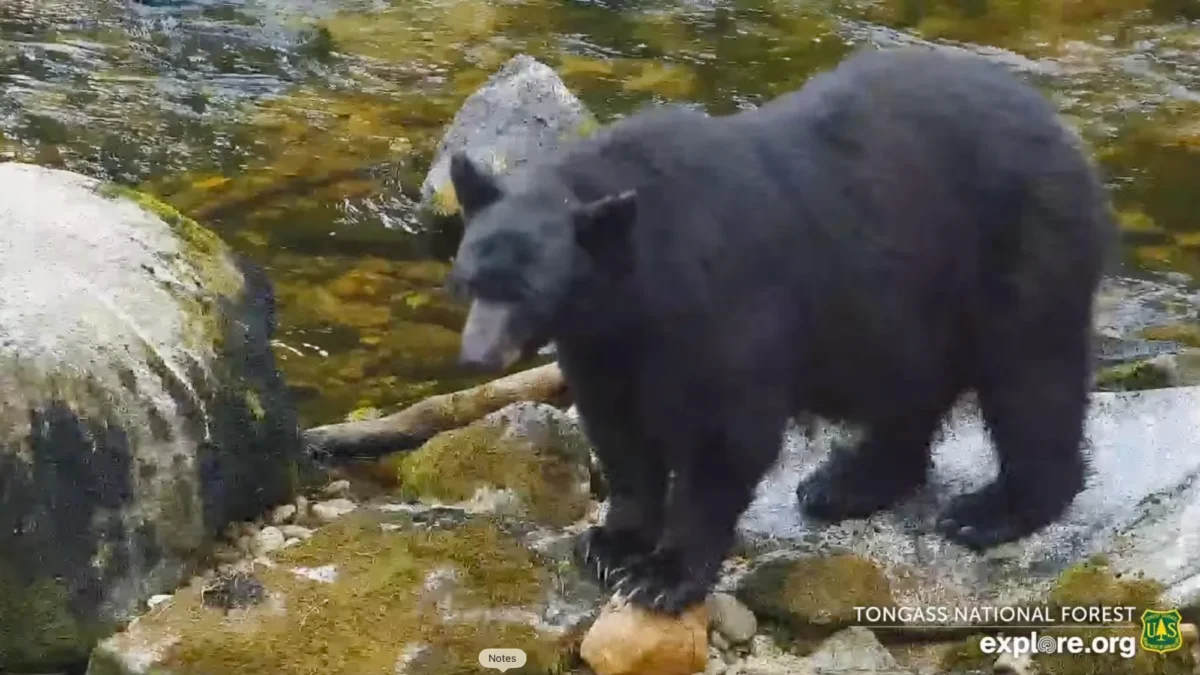
The annual cycle of the Alaskan wilderness reached a seasonal milestone this year as the U.S. Forest Service rangers stationed at the Tongass National Forest announced the winners of the 2026 Anan Bear Awards. Among the thirty-nine distinct ursine residents observed at the Anan Wildlife Observatory, a female black bear (Ursus americanus) affectionately known as Volverine has emerged as the clear standout. Distinguished by her impressive physical stature and her status as a prolific fisher, she was awarded the "Big and Beautiful Award" for the 2026 season, a recognition that highlights both her individual success and the thriving health of the local ecosystem.
Volverine’s recognition comes after a summer of intense activity at the Anan Creek, a site renowned for one of the most significant pink salmon runs in all of Southeast Alaska. The abundance of salmon serves as a critical caloric resource for both black and brown bears, allowing them to accumulate the vital fat reserves necessary to survive the harsh winter months. According to documentation provided by the U.S. Forest Service, Volverine has proven herself to be a master of the creek, utilizing the waterfall’s geography to secure a steady supply of fish. Her physical appearance—described by observers as having a distinctive "potato-shaped" profile and a characteristic V-shaped patch of fur on her chest—has made her a favorite among researchers and wildlife enthusiasts monitoring the live streams provided by explore.org.
The Biological Significance of Weight Gain
The fascination with "fat bears" in Alaska is grounded in rigorous biological reality. For ursine populations, weight is a direct proxy for health and future reproductive potential. Rangers at the Tongass National Forest emphasize that the substantial body mass achieved by female bears like Volverine is not merely a sign of a successful fishing season but a biological necessity for the species.
Bears undergo a process known as delayed implantation. After mating occurs in the spring, the fertilized embryos do not immediately attach to the uterine wall. Instead, they remain in a state of suspended development. Only if the female consumes enough food to achieve a sufficient body mass before the onset of winter will the embryos implant in the fall, allowing for a successful pregnancy. Consequently, a "fat" bear in late autumn is often a hopeful indicator of a new generation of cubs in the coming spring. The rangers’ celebration of Volverine’s weight is therefore a celebration of the potential for future population growth within the Anan Creek corridor.
Chronology of the 2026 Anan Season
The 2026 season at Anan Creek followed a well-documented timeline that began with the spring thaw and culminated in the late-summer salmon runs. As temperatures rose, the bears emerged from their dens, and the U.S. Forest Service initiated its annual monitoring protocols.
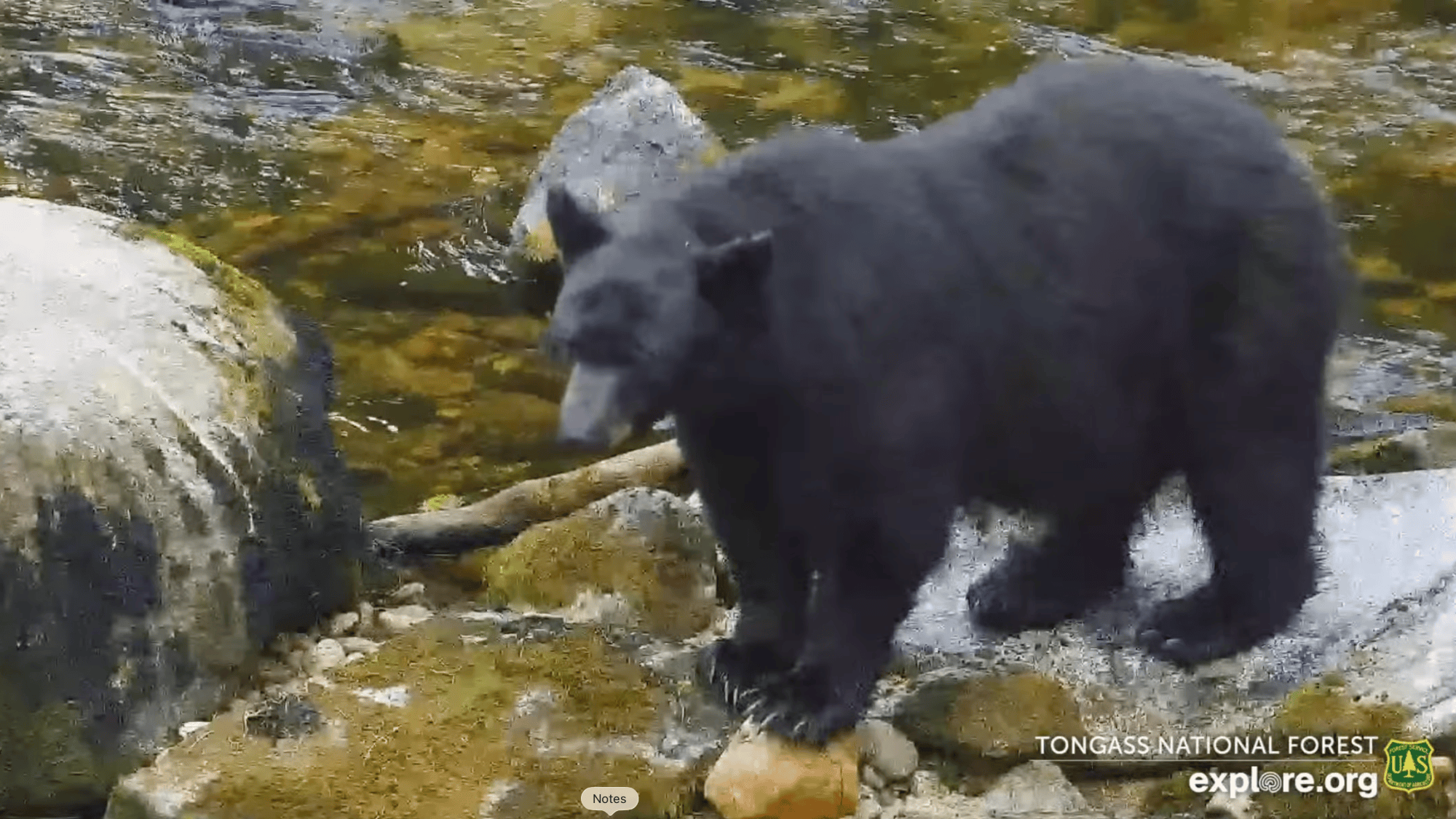
By mid-summer, the salmon migration began in earnest. The Anan Wildlife Observatory, which serves as a premier viewing location for the public, recorded high levels of activity throughout July and August. During this peak period, rangers observed the shifting hierarchies among the thirty-one black bears and eight brown bears that frequent the creek. Volverine’s dominance was noted early in the season; her patience, often observed as she sat motionless on rocks near the waterfall to wait for prime fishing opportunities, allowed her to out-compete smaller or less experienced bears for the best spots along the stream. By September, the focus of the monitoring efforts shifted toward documenting the success of these individuals, leading to the formal selection of award winners to commemorate the season’s conclusion.
The Ecological Context of Tongass National Forest
The Tongass National Forest is the largest national forest in the United States, encompassing nearly 17 million acres of wilderness. It is a region characterized by its immense biodiversity and its role as a massive carbon sink. The Anan Creek area, specifically, represents a critical intersection of marine and terrestrial ecosystems. The pink salmon run, which draws the bears, is the engine that drives this entire food web.
When bears drag salmon from the water into the surrounding forest, they leave behind nutrient-rich carcasses. This "marine-derived nitrogen" is absorbed by the soil and the massive old-growth trees of the Tongass, proving that the health of the salmon run is inextricably linked to the health of the entire forest. The bears are not merely apex predators; they are essential gardeners of the Alaskan landscape. The 39 individual bears identified at Anan are part of a larger, interconnected web of life that the Forest Service strives to protect through managed access and public education.
Comparative Analysis: Anan Creek vs. Katmai
While the "Fat Bear Week" competition at Katmai National Park has gained global notoriety for its bracket-style tournament, the Anan Bear Awards serve a different, albeit complementary, purpose. Katmai is famous for its massive brown bears (Ursus arctos), which can reach weights of 600 to 900 pounds due to the intense salmon density of the Brooks River.
In contrast, the black bears of Anan are typically smaller, usually ranging from 90 to 500 pounds depending on their age and gender. However, the success of a bear like Volverine demonstrates that even within the smaller black bear species, the same evolutionary pressures—and the same pursuit of maximum weight—apply. The comparison highlights that across the Alaskan landscape, the imperative to fatten up is a universal theme. Whether in the massive brown bear populations of the north or the coastal black bear populations of the southeast, the ability to capitalize on seasonal abundance is the defining characteristic of a successful bear.
Official Perspectives and Public Engagement
The U.S. Forest Service maintains that public engagement, through initiatives like the Anan Bear Awards and the live streaming of wildlife activity, is essential for conservation. By giving individual bears names and narratives, the public becomes more invested in the protection of their habitats.

"Our rangers love to see a fat female bear because that could mean cubs next year," noted officials from the Tongass National Forest in their seasonal summary. This statement reflects a shift in conservation management: moving away from viewing animals as abstract statistics and toward understanding them as individuals with specific habits, temperaments, and life stories. The popularity of the explore.org cameras allows for a form of "citizen science," where researchers and the public alike can observe bear behavior in real-time without disturbing the animals’ natural routines.
Broader Implications for Conservation
The 2026 season at Anan Creek serves as a case study in the success of balanced wildlife management. By limiting human interaction to designated observation areas like the Anan Wildlife Observatory, the Forest Service has managed to maintain a site where bears can feed largely undisturbed. The success of Volverine and her counterparts is evidence that when human presence is strictly managed, wildlife can thrive even in areas that attract high levels of ecotourism.
However, the future of these populations is not guaranteed. Climate variability, which can affect the timing and volume of salmon runs, poses a long-term challenge to the bears of the Tongass. As water temperatures change and ocean conditions shift, the salmon stocks upon which these bears rely may become less predictable. The ongoing documentation of bears like Volverine is, therefore, more than just a public relations effort; it is a vital part of the scientific record. By tracking which bears are successful and which struggle, biologists can better understand how environmental stressors are impacting the population over the long term.
As the winter freeze settles over Southeast Alaska, the bears of Anan Creek have retreated to their dens. Volverine, now well-fed and entering the winter months in optimal physical condition, serves as a symbol of the resilience of the Alaskan wilderness. Her story, while specific to a single creek in a vast national forest, echoes the fundamental struggle for survival that defines the natural world. As monitoring efforts continue in 2027, the data gathered from this season will provide a baseline for understanding how these iconic animals navigate an ever-changing environment. For now, the "Big and Beautiful" queen of Anan Creek remains the standard-bearer for a season of biological triumph, leaving observers to wait for the potential arrival of new cubs in the spring.

