
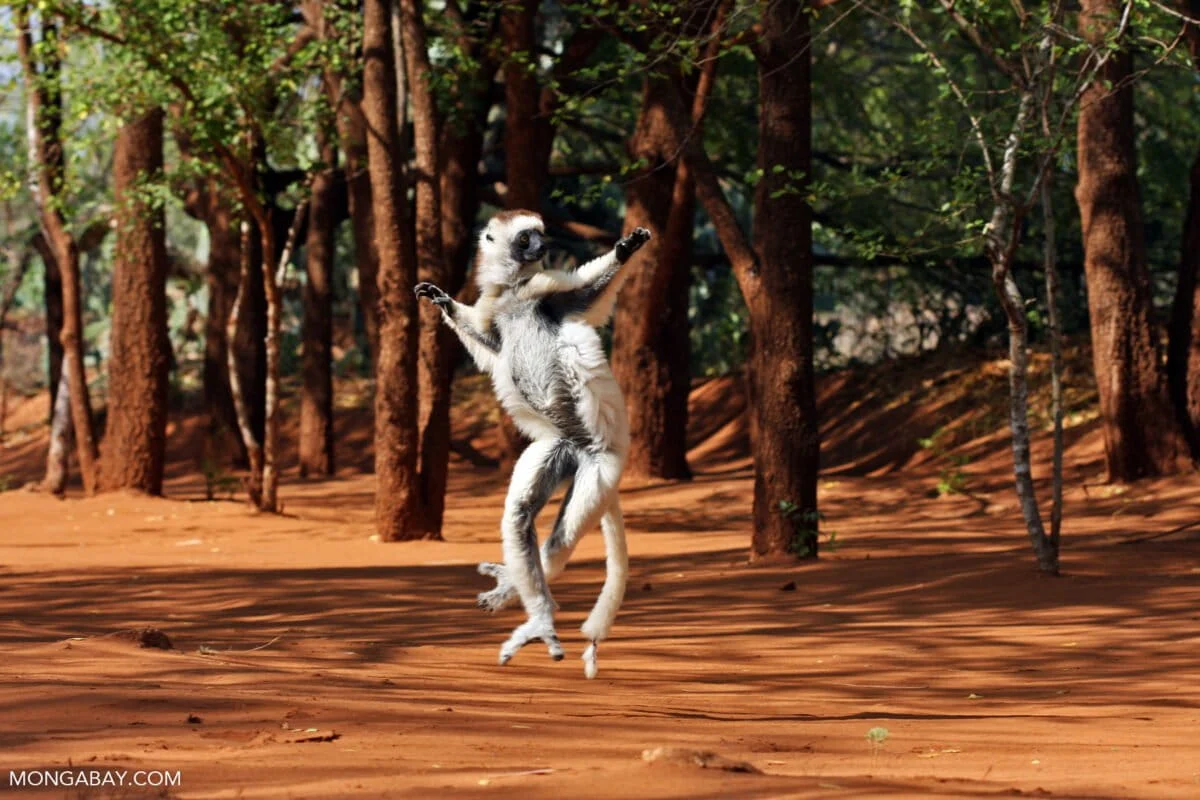
Madagascar serves as the exclusive sanctuary for more than 100 distinct species of lemurs, a group of primates characterized by their striking ocular features, elongated snouts, and expressive, bushy tails. These arboreal mammals are found nowhere else on the planet, making them an unparalleled emblem of global biodiversity. However, this biological uniqueness has become a liability in an era of rapid deforestation and anthropogenic pressure. As the international community observes World Lemur Day on the final Friday of October, the spotlight shifts toward the existential threats facing these animals and the complex, multifaceted conservation efforts currently underway to secure their survival.
The Evolutionary and Geographical Context
The lemurs of Madagascar represent an evolutionary experiment in isolation. Having diverged from their strepsirrhine ancestors tens of millions of years ago, they have evolved to fill diverse ecological niches across the island, from the humid eastern rainforests to the harsh, arid deciduous forests of the west. Despite their wide distribution, the vast majority of lemur species are currently classified by the IUCN Red List as Critically Endangered, Endangered, or Vulnerable.
The primary drivers of this decline are well-documented: large-scale habitat loss resulting from shifting agriculture, charcoal production, and illegal logging, combined with the escalating threat of bushmeat hunting. As the forest cover of Madagascar continues to shrink, the populations of these primates become increasingly fragmented, leading to genetic bottlenecks and increased susceptibility to environmental stressors.
Chronology of Habitat Fragmentation and Restoration
The landscape of eastern Madagascar offers a sobering look at the history of environmental degradation. In the 1960s, the region boasted a continuous canopy linking the Andasibe-Mantadia National Park and the Analamazoatra Special Reserve. This corridor acted as a vital genetic highway, allowing species to migrate, forage, and maintain healthy population densities.
However, the late 20th century saw the widespread clearing of these forests to accommodate cattle grazing and subsistence farming. By the turn of the millennium, what remained was a series of isolated "islands" of forest surrounded by degraded scrubland. This physical separation posed an immediate threat to the twelve species of lemurs residing in the area, limiting their ability to find mates and seasonal food sources.
In a landmark effort to reverse this trend, a collaborative initiative was launched in 2023. This project, which involves a coalition of local community leaders, environmental scientists, and international NGOs, seeks to restore 150 hectares of native forest. By planting indigenous tree species, the initiative aims to bridge the gap between the two reserves, effectively reconnecting a broken ecosystem. This effort is not merely about planting trees; it is about restoring the functional connectivity required for long-term species viability.
The Invasive Guava Dilemma: A Complex Ecological Challenge
Conservation science often reveals that even well-intentioned interventions can have unintended consequences. A primary hurdle in the reforestation of Madagascar is the proliferation of the invasive strawberry guava (Psidium cattleyanum). Native to Brazil, this plant has aggressively colonized degraded forest edges, creating monocultures that displace native flora.
Research indicates that lemurs exhibit a strong dietary preference for these invasive fruits. While this provides a temporary caloric source for the primates, it creates an ecological trap. By consuming the fruit, lemurs become primary vectors for the spread of guava seeds, inadvertently facilitating the further expansion of the invasive species at the expense of native trees. Anthropologist Cortni Borgerson of Montclair State University has noted that the strawberry guava effectively lures Madagascar’s remaining frugivores into habitats that ultimately endanger the long-term integrity of the forest. This presents a difficult policy challenge: conservationists must now develop strategies to remove invasive plants while ensuring that lemurs, which rely on these forests for survival, are not deprived of necessary nutrition during the transition period.

Shifting Focus to Dry Tropical Forests
While the lush rainforests of eastern Madagascar often dominate global media coverage, the dry tropical forests of the western regions face a similarly precarious, if not more urgent, crisis. These ecosystems are frequently overlooked by international funding bodies, leading to a significant deficit in protection and research.
In September 2025, a concerted effort by non-governmental organizations and governmental representatives signaled a change in strategy. By pushing for the inclusion of the Verreaux’s sifaka (Propithecus verreauxi)—a highly charismatic and representative species of the dry forests—on the list of the "World’s 25 Most Endangered Primates," conservationists hope to catalyze a shift in focus. The logic is clear: by elevating the profile of a "flagship species," organizations can better leverage public interest and financial support to protect the broader, less glamorous, yet equally critical, dry forest ecosystem.
Supporting Data and Statistical Realities
The statistics regarding Madagascar’s biodiversity are staggering. With over 90% of the island’s original forest cover lost to human activity, the remaining fragments are under constant pressure. According to recent surveys, the rate of deforestation in certain corridors has slowed, yet remains high enough to threaten the extinction of several lemur species within the next few decades if current trends continue.
Data from recent field studies suggest that corridors—such as the one currently being restored between Andasibe and Analamazoatra—can increase the occupancy rates of lemurs by up to 40% within five years of successful canopy closure. However, the cost of restoration is significant. Estimates suggest that it costs approximately $2,000 to $5,000 per hectare to restore degraded land to a state where native biodiversity can return, necessitating sustained international investment.
Policy and Institutional Responses
The response from the Malagasy government, often in partnership with organizations like the Lemur Conservation Network, has moved toward a more integrated approach. This includes the implementation of community-managed forests, where local residents are given stewardship over land in exchange for sustainable agricultural practices.
"The future of the lemur is inextricably linked to the economic and social health of the Malagasy people," noted a representative from a leading conservation NGO. "We cannot expect to save the species if we do not provide viable, alternative livelihoods for the communities living on the forest fringe." This sentiment underscores the modern shift in conservation: moving away from "fortress conservation" toward a model of community-led, sustainable resource management.
Broader Implications and Future Outlook
The plight of the lemur serves as a microcosm for the global biodiversity crisis. As the climate changes and human populations expand, the struggle to maintain connectivity in fragmented landscapes will become the defining challenge of 21st-century conservation.
The initiatives mentioned—reforestation corridors, the management of invasive species, and the strategic selection of flagship species—demonstrate a move toward more evidence-based, adaptive management. For younger generations, initiatives like the resources provided by Mongabay Kids, which demystify the lives of mouse lemurs and other smaller species, are essential for fostering the next generation of environmental advocates.
As World Lemur Day concludes, the message is clear: the survival of these primates is not a guaranteed outcome, but a deliberate choice. It requires the coordination of scientific research, the engagement of local communities, and the continued attention of the global community. Whether it is the tiny mouse lemur or the iconic dancing Verreaux’s sifaka, every species plays a role in the health of Madagascar’s unique and fragile ecosystems. The effort to protect them is, ultimately, an effort to protect the biological heritage of our planet.

