
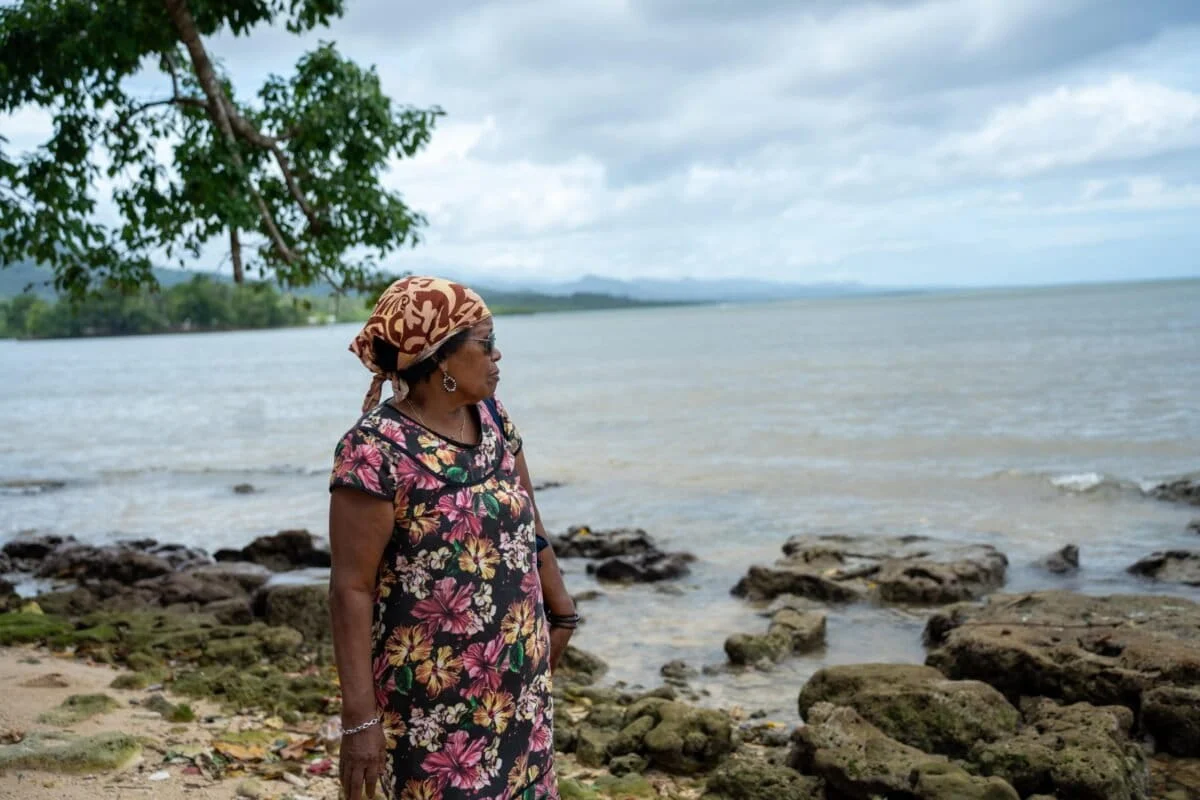
The landscape of global conservation is undergoing a significant paradigm shift as traditional top-down funding models face increasing scrutiny for their lack of efficacy and failure to engage local communities. At the center of this movement is the Home Planet Fund, an Indigenous-led nonprofit that has spent the last five years redefining how capital flows to those most critical to environmental stewardship. Founded by Dilafruz Khonikboyeva, the organization prioritizes a radical model of trust-based philanthropy, bypassing standard grant-making barriers in favor of direct, long-term partnerships with communities on the front lines of climate change.
A New Approach to Environmental Stewardship
The Home Planet Fund operates on the premise that the climate crisis is not merely a scientific challenge but a structural one. In an era where global biodiversity loss has reached unprecedented levels—with the World Wildlife Fund reporting an average decline of 69% in wildlife populations since 1970—the fund seeks to reverse this trend by placing financial and decision-making power directly into the hands of those with the deepest knowledge of their local ecosystems.
Unlike traditional Western-based nonprofits that often mandate strict reporting timelines and rigid project structures, the Home Planet Fund emphasizes "unrestricted" funding. This approach acknowledges the inherent volatility of working in regions vulnerable to both political instability and the accelerating impacts of climate change, such as extreme weather events. By providing flexibility, the fund allows communities to pivot their resources in real-time, whether that means responding to an earthquake in Vanuatu or adapting agricultural practices to shifting monsoon patterns in the Pamir Mountains.
Geographic and Ecological Focus
The organization concentrates its efforts on four specific ecologies identified by international researchers as critical for global climate and biodiversity health: the Tongass Rainforest in Alaska, the "Third Pole" (a massive glacial region spanning Kyrgyzstan, Tajikistan, Afghanistan, Pakistan, and India), the grasslands of East Africa, and the South Pacific.
These regions were not selected by chance. They represent areas where local communities have historically served as the primary guardians of the land, yet have been systematically excluded from the multi-billion-dollar global conservation funding pipeline. By targeting these "critical hotspots," the Home Planet Fund seeks to bridge the gap between global environmental goals—such as the 30×30 initiative to protect 30% of the Earth’s land and sea by 2030—and the on-the-ground reality of rural, Indigenous, and community-managed lands.
The Philosophy of Healing and Trauma-Informed Funding
A distinguishing feature of Khonikboyeva’s leadership is her explicit focus on the intersection of environmental health and human trauma. Her personal history—growing up in the Pamir Mountains of Tajikistan during the collapse of the Soviet Union and the subsequent civil war—shapes the fund’s operational ethos.
In her view, the environmental movement has historically been flawed by a "wholesale rejection of humanity," where conservationists sought to protect land by removing the people who lived on it. The Home Planet Fund rejects this, arguing that the "human touch" is essential for ecological flourishing. The organization views its mission as dual-fold: healing the land and supporting the healing of the people who depend on it. By fostering community-led rituals, storytelling, and local governance, the fund aims to build resilience that transcends economic metrics, viewing the act of conservation as a means of restoring human dignity and autonomy.
Chronology of the Home Planet Fund’s Development
The trajectory of the organization reflects a deliberate, slow-growth strategy designed to prioritize relationship-building over rapid expansion:
- 2019-2020: The inception phase, characterized by rigorous research into ecological hotspots and an assessment of existing funding gaps. Khonikboyeva and her team focus on building private, trust-based networks rather than publicizing the fund’s existence, ensuring they are invited into communities rather than forcing an entry.
- 2021-2022: The establishment of foundational partnerships. The fund begins to channel resources into Indigenous and local structures, such as matrilineal collectives in the South Pacific, bypassing the need for traditional grant proposals.
- 2023: Scaling and formalization. The fund begins to integrate more academic research into its model, helping local communities access data tools that can support their claims to land rights and resource management.
- 2024: The public launch of the model. The organization begins to share its findings with the broader philanthropic community, advocating for a shift away from "satisfying" but unrealistic metrics toward honest, adaptable, and long-term impact measurement.
Challenges to the Conventional Grant-Making Model
Khonikboyeva has been vocal in her critique of the "open call for proposals" system. While widely considered the gold standard for transparency, she argues that such systems inherently favor a privileged few: those with access to high-speed internet, English-language fluency, and the specialized skills required to write grant applications that align with Western bureaucratic expectations.
By refusing to accept unsolicited grant proposals, the Home Planet Fund instead chooses to go into the field, sit with community elders, women’s groups, and youth organizations, and co-build project visions. This process is intentionally slower, but it ensures that the work is durable and rooted in community consensus rather than an external agenda.
Data and Impact: The Reality of Trust-Based Giving
The necessity for unrestricted funding is underscored by the current unpredictability of global climate impacts. Research from the Intergovernmental Panel on Climate Change (IPCC) confirms that regions like the Third Pole are experiencing accelerated glacial melt, which in turn alters the hydrology of entire nations. When a community’s entire agricultural cycle is disrupted by a flash flood, a donor’s insistence on adhering to a pre-set budget for a different type of project is not just impractical—it is destructive.
The Home Planet Fund’s model suggests that "trust is the currency" of effective conservation. By fostering relationships where communities feel safe to report failure or the need for adaptation, the fund reduces the risk of project abandonment. When a partner can openly state, "The three-month metric will not be met because of a landslide," the fund can support an emergency response, ensuring that the community remains viable and the conservation work continues long after the specific intervention is complete.
Implications for the Philanthropic Sector
The broader implication of the Home Planet Fund’s work is a challenge to the power dynamics of the non-profit industrial complex. It asks donors to move past the fear of being "taken advantage of"—a common sentiment in large-scale philanthropy—and instead embrace the vulnerability required to achieve genuine systemic change.
For institutions and private donors, the message is clear: the current model of hyper-controlling the use of funds is failing to meet the urgency of the climate crisis. Moving forward, the effectiveness of global environmental initiatives may depend on the willingness of wealthy actors to relinquish control, invest in local expertise, and accept that true, transformative change cannot be captured in a simple spreadsheet. As Khonikboyeva suggests, if a project report is providing a perfectly satisfying answer in the face of today’s "polycrisis," it is likely missing the reality of the situation entirely.
By prioritizing local autonomy and intergenerational knowledge transfer, the Home Planet Fund is not just funding conservation projects; it is creating a blueprint for a more equitable, human-centered approach to global survival. As the organization looks toward the future, its goal remains consistent: to go deep, ensure durability, and foster a sustainable legacy that remains long after the funding cycles have ended.

