
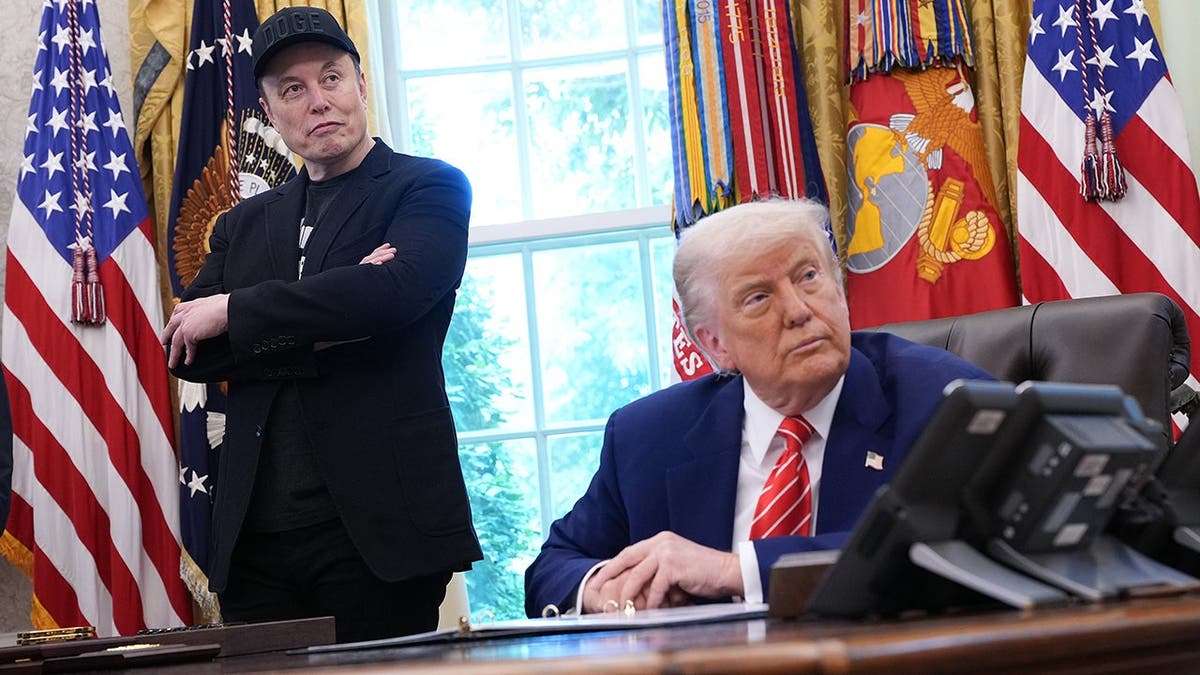
The political landscape surrounding billionaire entrepreneur Elon Musk has reached a new level of intensity following reports that former Secretary of State Hillary Clinton has suggested he should be compelled to testify before Congress should he receive a presidential pardon from Donald Trump. This development coincides with an escalation in public demonstrations targeting the SpaceX and Tesla CEO, as organized activist networks utilize increasingly theatrical tactics to challenge his influence in the U.S. government and the technology sector.
Most recently, three prominent non-profit organizations—VOCAL-TX, the Center for Popular Democracy, and People’s Action—orchestrated a targeted demonstration outside of Musk’s residence in West Lake Hills, Texas. While organizers characterized the gathering as a "People Over Billionaires Election After Party," the event utilized chartered buses, curated music, and specific protest imagery, highlighting a sophisticated logistical framework behind what are often presented as organic, grassroots movements.
The Anatomy of a Modern Protest Campaign
The protest in West Lake Hills was not an isolated incident but rather the latest manifestation of a highly coordinated strategy employed by a network of tax-exempt organizations. According to recent tax filings, these three entities—VOCAL-TX (a project of the New York-based VOCAL-NY), the Center for Popular Democracy, and the Chicago-based People’s Action—reported a combined annual revenue of approximately $56.1 million in 2024.
This financial backing allows for the deployment of resources that exceed the capabilities of typical local activist groups. For the Austin event, participants were transported via two chartered "Fly-Rides" party buses. The atmosphere was carefully managed, with demonstrators performing dances, giving speeches, and utilizing props such as piñatas shaped like the Tesla Cybertruck. The use of upbeat music, including Queen’s "We Will Rock You," served to frame the protest as a festive, family-friendly event, contrasting sharply with the underlying intent of political confrontation.
A Chronology of Escalation: From Dealerships to Private Homes
The trajectory of these anti-Musk demonstrations reveals a distinct shift in tactics over the past 24 months.

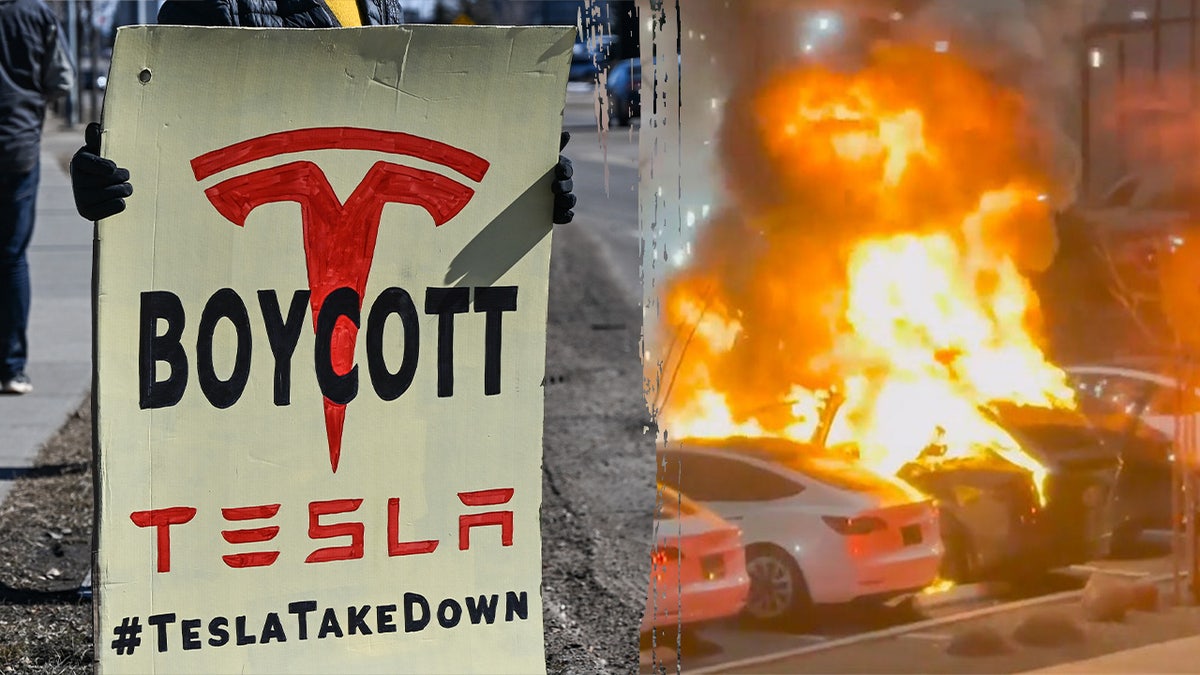
- Early 2025: The "Tesla Takedown" movement began in earnest, with protests erupting at various Tesla dealerships across the United States. These initial demonstrations were marked by significantly more aggressive rhetoric and, in several instances, incidents of vandalism against Tesla vehicles and property.
- May 1, 2025: During May Day observances, the protests moved toward a broader anti-capitalist narrative. Demonstrations in Washington, D.C., saw participation from groups such as the Party for Socialism and Liberation, which integrated criticism of Musk into a larger push for socialist economic policies.
- Late 2026: Following the conclusion of the 2026 election cycle, the focus shifted toward Musk’s significant financial contributions to political campaigns, including his support for Senate candidates and his role in the proposed Department of Government Efficiency (DOGE). The move to target his private residence in Texas marked a significant expansion of the scope of these protests.
The "Astroturf" Debate and Financial Infrastructure
Critics and political analysts have increasingly questioned whether these events are truly "grassroots" or if they constitute a form of "astroturfing"—the practice of masking the sponsors of a message to give the appearance of independent public support.
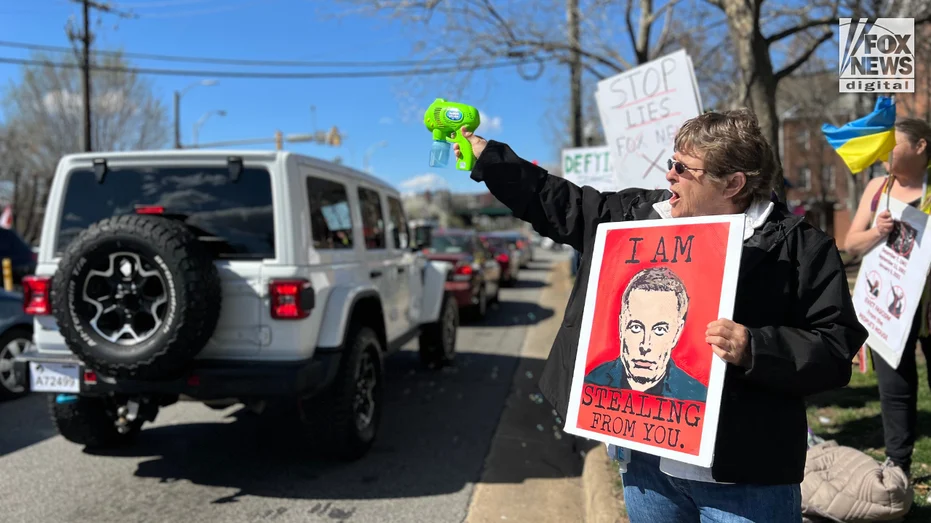
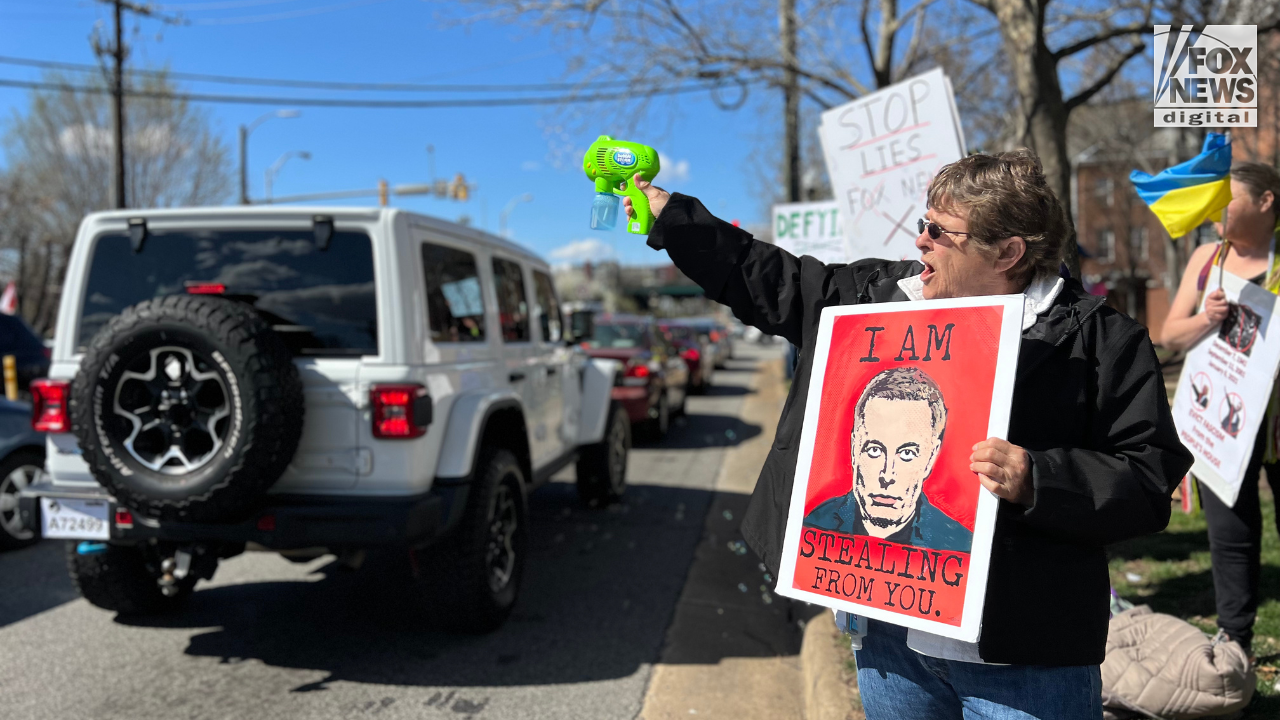
Financial data suggests that the infrastructure behind these protests is robust. The Center for Popular Democracy, for instance, reported over $40 million in revenue in 2024, with its co-executive directors receiving compensation packages exceeding $230,000. These figures highlight the professionalization of the protest industry, where well-funded organizations provide the messaging, logistical support, and, in some cases, the physical assets—such as the ubiquitous "I AM STEALING FROM YOU" posters—used in demonstrations nationwide.
The "I AM STEALING FROM YOU" poster, featuring a stylized image of Musk with unsettling eyes, is a prime example of the industrial scale of this messaging. Commissioned by the Progressive Change Institute, these posters are mass-produced and made available for purchase in bulk to activists, ensuring visual uniformity across diverse protest locations. This strategic distribution has successfully integrated the imagery into major media outlets, effectively amplifying the message far beyond the physical protest site.
The Role of International Networks and Ideological Alliances
The coordination of these protests extends beyond domestic borders, involving a global network of activists. From Portland to Paris, organizations within this ecosystem share messaging platforms and logistical strategies. The inclusion of groups like May Day Strong—a coalition of hundreds of labor and community organizations with ties to socialist and communist factions—indicates that the opposition to Musk is often linked to a broader ideological platform.
These groups have explicitly stated their goals to include the taxation of extreme wealth, the abolition of Immigration and Customs Enforcement (ICE), and the disruption of the current political status quo. By merging these systemic goals with a personalized campaign against a high-profile billionaire, the organizers have effectively created a rallying point that draws in diverse segments of the left-wing political spectrum.
Institutional Responses and Legal Implications
The political establishment has taken note of the intensity of this campaign. Hillary Clinton’s recent comments regarding Musk’s potential testimony before Congress underscore the degree to which he has become a focal point for Democratic lawmakers. This interest is bolstered by federal investigations into the funding sources of several of the groups involved in these protests.

Congressional committees and the Department of Justice are currently examining the financial ties of Neville Roy Singham, an American-born, Shanghai-based businessman. Investigators are probing whether funds linked to Singham have been funneled into various domestic organizations, including those that have been active in the anti-Musk protests, such as the Party for Socialism and Liberation and CodePink.
The organizations involved, however, maintain that their activities are consistent with their stated missions of advocacy and community empowerment. VOCAL-NY, for example, describes its work as being dedicated to low-income populations impacted by systemic issues like mass incarceration and homelessness. They argue that their campaigns are a necessary response to what they perceive as the outsized influence of billionaire donors on the American democratic process.
The Broader Impact on Political Discourse
The shift toward targeting private residences and the increasing theatrics of modern protests have raised concerns among researchers, including those at the Network Contagion Research Institute. Experts suggest that while these specific events may remain peaceful, the constant use of demonizing language and the targeting of individuals create a "permission structure" for more extreme political violence.
The implications for the American political landscape are profound. As the line between peaceful assembly and targeted harassment becomes increasingly blurred, the potential for escalation grows. Furthermore, the reliance on high-dollar, professionalized non-profit networks to generate the appearance of mass dissent challenges traditional notions of political participation.
As Musk continues his involvement in government efficiency initiatives and political spending, he remains a lightning rod for ideological conflict. The "After Party" in Texas was a clear signal that the strategies deployed against him are not waning; rather, they are becoming more institutionalized, better funded, and more focused on directly confronting those perceived as the primary obstacles to their vision of social and economic change. The upcoming legislative sessions in Washington will likely serve as the next arena for this conflict, as the calls for congressional oversight and potential investigations gain traction within the halls of power.

