
While education rarely dominates voter concerns during national midterm elections—a stark contrast to the standards-driven debates of 2000, when roughly one in ten Americans viewed schools as the nation’s primary challenge—the historic blue wave of the 2026 midterms carries profound implications for the American classroom. Although the electorate’s focus centered largely on broader economic and anti-incumbent sentiments, the resulting political shifts threaten to upend several of the most consequential school reform milestones achieved over the past two decades. From collective bargaining frameworks in the Midwest to high-stakes teacher evaluations in the nation’s capital and state-level district interventions in the South, long-standing structural changes are suddenly vulnerable to policy retrenchment.
A Changing Political Landscape and the Post-Pandemic Education Debate
For generations, the Democratic Party enjoyed a comfortable margin of public trust on education policy. However, the COVID-19 pandemic fundamentally disrupted the political terrain. In the wake of extended school closures, voters grew deeply divided over which party was better equipped to manage public education. Republicans built a compelling counter-narrative, pointing to the so-called "southern surge" in student achievement, vindicated early pushes to reopen classrooms, and popular positions on preserving advanced academic tracks, limiting early childhood instruction on sexuality, and restricting transgender participation in female athletic categories based on biological sex.
Despite these cultural leverage points, the Republican Party largely failed to capitalize on its pragmatic governance accomplishments. Aside from historic legislative shifts in isolated races, the GOP’s national brand suffered from unforced internal fractures. Rather than championing academic excellence, the science of reading, and meritocratic standards, populist factions in states like North Carolina and Louisiana pushed aside conservative incumbents. In Texas, inflammatory rhetoric regarding South Asian student achievements at state universities alienated minority voters whom the party had successfully courted just two years prior. This strategic misstep left the GOP without a disciplined, coherent message on academic achievement at a time when southern red states have demonstrated measurable gains while many blue-leaning jurisdictions continue struggling with post-pandemic learning recovery.
Union Pragmatism and the Left’s Electoral Realities
Simultaneously, the progressive wing of the Democratic Party—specifically candidates aligned with the Democratic Socialists of America (DSA)—celebrated notable electoral gains, securing six U.S. House seats and building momentum in urban centers like New York City, Los Angeles, and Washington, D.C. This leftward lurch coincided with a dramatic surge in public favorability toward teachers unions among Democratic voters, climbing to over +60 in recent surveys compared to modest approval ratings during the Obama administration.
Yet a granular examination of primary contests across the country reveals a more complex, pragmatic reality within union headquarters. Contrary to narratives suggesting a total takeover by radical factions, organized labor frequently prioritized institutional stability over ideological purity. When forced to choose between DSA insurgents and established Democratic incumbents, teachers unions largely backed the mainstream candidate.
In New York, the New York State United Teachers (NYSUT) declined to endorse multiple DSA-backed congressional hopefuls, favoring veteran allies instead. In Michigan and Wisconsin, major state education associations sat out competitive progressive primaries, waiting until nominees were finalized before extending endorsements. An analysis of 41 state legislative primaries where both the DSA and teachers unions made endorsements showed that unions supported 14 of 16 DSA incumbents, but only 1 of 11 DSA challengers. This calculated pragmatism indicates that while progressive ambitions are real in dense urban districts, union leadership remains focused on maintaining functional, transactional relationships with governing majorities rather than embracing wholesale ideological disruption.
The Micro-Politics of Local School Boards: From Florida to Chicago
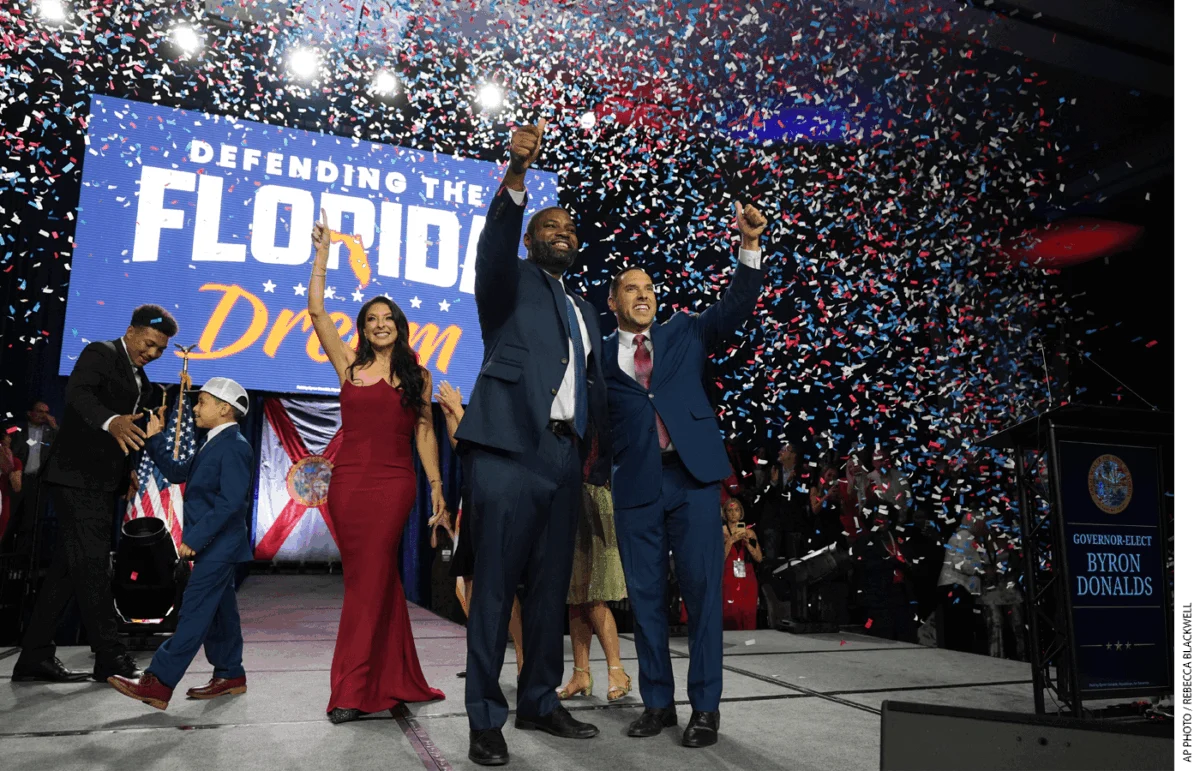
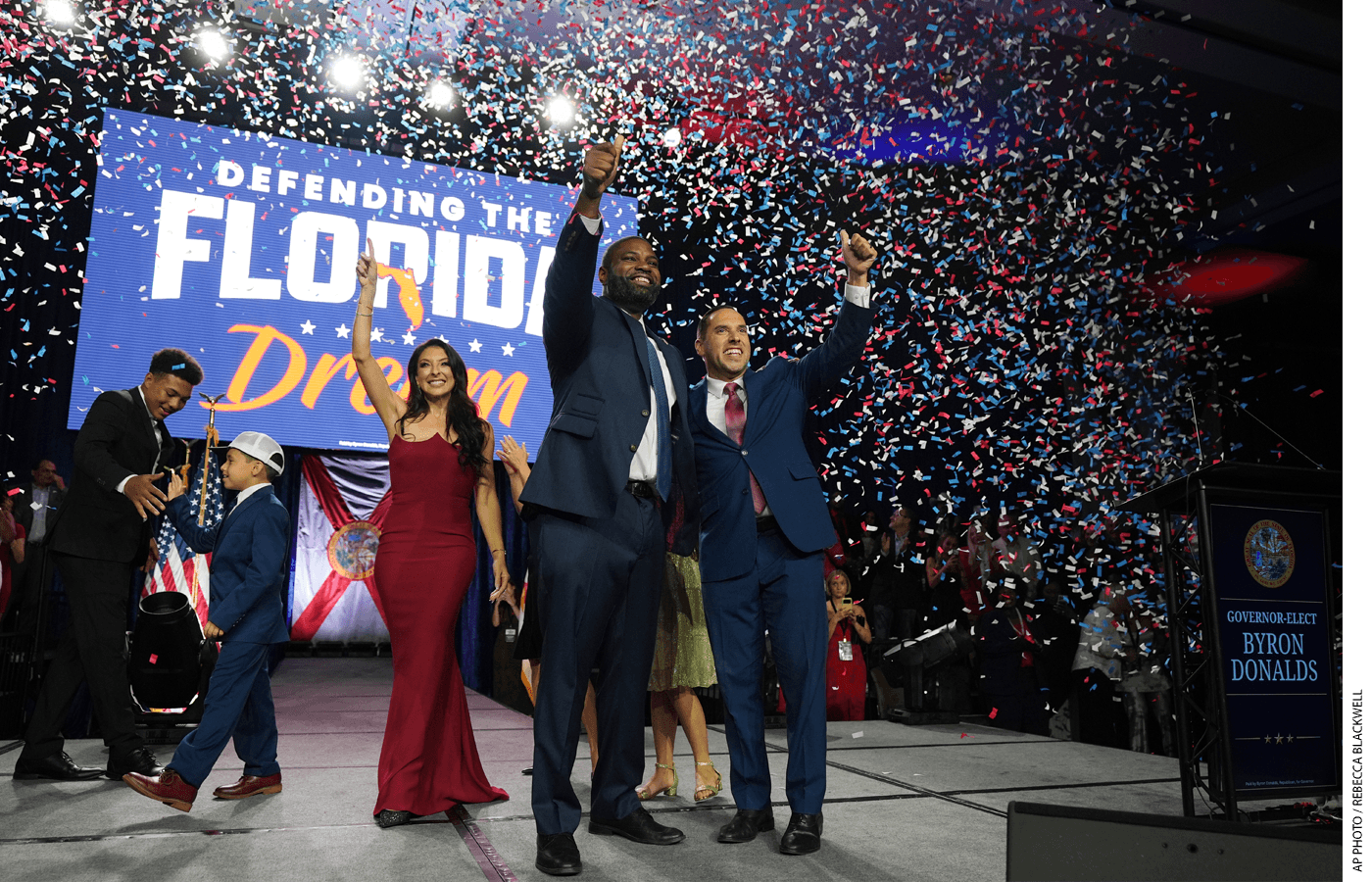
The tension between ideological agendas and pragmatic governance played out vividly in local school board contests across the nation. In Florida, where nonpartisan school board races are frequently decided in low-turnout August primaries, the Florida Education Association (FEA) demonstrated remarkable resilience. Following a bruising 2022 cycle in which term-limited Governor Ron DeSantis successfully backed a conservative slate of candidates, the 2026 midterms saw a return to historical norms. With DeSantis stepping back and his successor, Governor Byron Donalds, managing a narrow victory, FEA-endorsed candidates won approximately three-quarters of the contested seats, illustrating that patience and organizational discipline remain the bedrock of union electoral success.

Conversely, Chicago provided a cautionary tale for the urban political left. Following a structural transition from mayoral control to an elected 21-member school board championed by Mayor Brandon Johnson—a former organizer for the Chicago Teachers Union—the city’s public school system faced intense voter backlash. Amid structural budget deficits, declining enrollment, and half-empty facilities, the union-backed slate failed to secure control of the newly formed board. With business-community candidates capturing key seats, the nation’s fourth-largest school district faces acute political gridlock, underscoring the limits of union-led governance when structural fiscal pressures mount.
Vulnerable Milestones: Wisconsin, Washington, D.C., and Texas
The most immediate consequence of the 2026 midterms is the vulnerability of three landmark education reform experiments that have shaped American policy since the era of No Child Left Another:
-
Wisconsin and Act 10: Enacted in 2011 under former Republican Governor Scott Walker, Act 10 provided local school districts with crucial fiscal flexibility to manage labor costs and implement flexible, performance-based teacher compensation. Following the 2026 midterms, Democrats secured majorities in both chambers of the state legislature for the first time since 2008. Governor-elect David Crowley, who campaigned on repealing Act 10, now works alongside a newly minted 5–2 liberal majority on the Wisconsin State Supreme Court. Economists estimate that restoring pre-Act 10 collective bargaining could impose annual costs of up to $1.6 billion on districts already grappling with declining enrollments and exhausted federal relief funds.
-
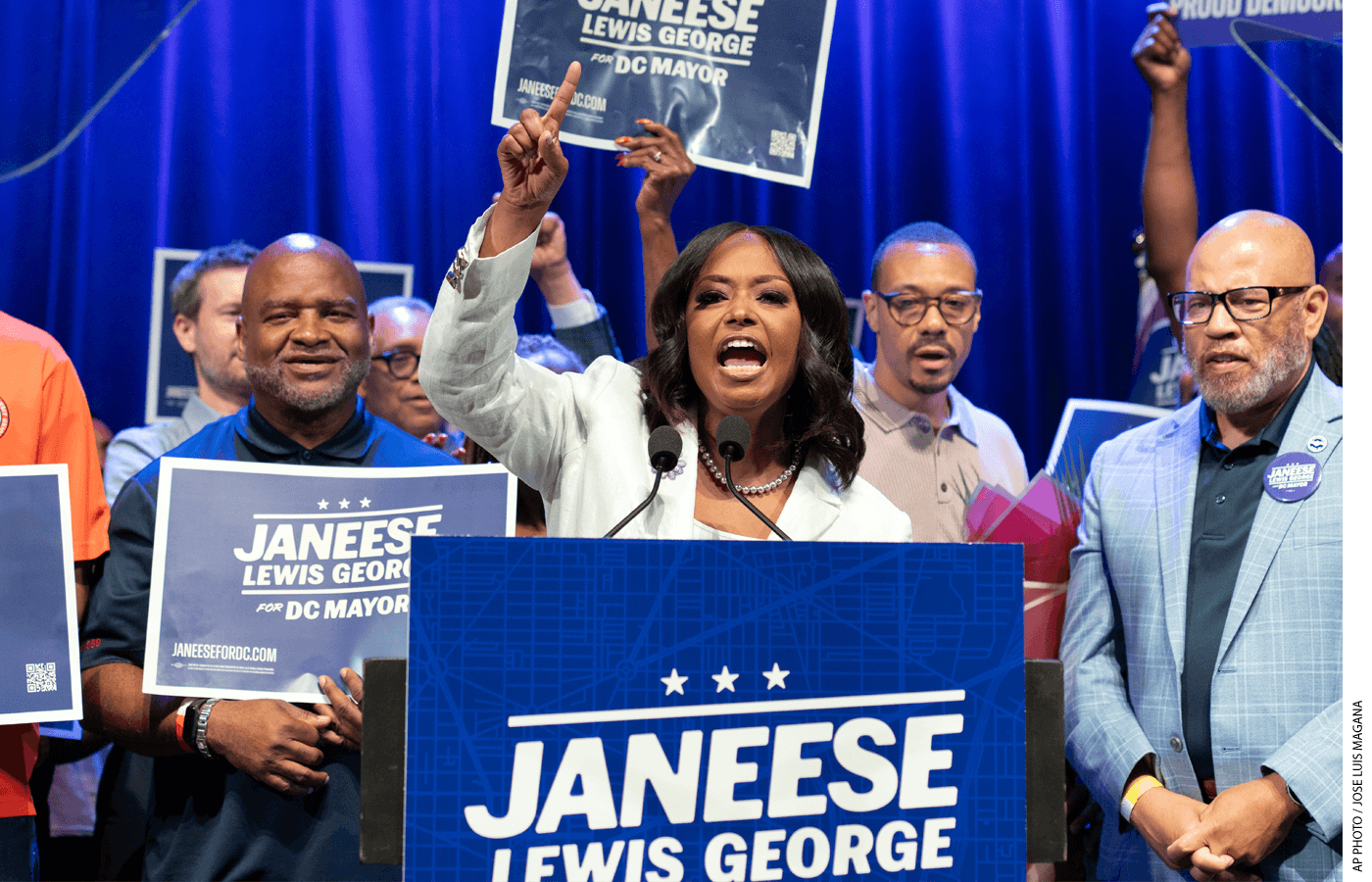
Washington, D.C., and the IMPACT Evaluation System: Established in 2007 under Mayor Adrian Fenty and schools chancellor Michelle Rhee, the capital’s public school system became a national laboratory for urban reform. By tying teacher compensation and retention directly to performance via the IMPACT evaluation system, D.C. public schools posted substantial, documented gains on national assessments. However, Mayor-elect Janeese Lewis George, a self-described democratic socialist, secured the Washington Teachers Union endorsement after pledging to roll back IMPACT. The system’s survival now hinges on her forthcoming appointment for schools chancellor, signaling whether her administration will mirror moderate urban leaders or succumb to union-backed retrenchment.
-
Texas State Takeovers and Performance Pay: In Texas, the upset victory of Democratic gubernatorial candidate Gina Hinojosa threatens to upend the tenure of Education Commissioner Mike Morath and Houston Superintendent Mike Miles. Installed following the state’s 2023 takeover of Houston Independent School District, Miles expanded performance-based pay models originally pioneered in Dallas. These reforms dramatically reduced the number of D- and F-rated campuses across the district. However, state interventions that bypass local political coalitions remain inherently fragile, rising and falling with changes in executive leadership rather than institutional consensus.
Looking Ahead to 2028
As the dust settles on the 2026 midterms, political analysts draw strong parallels to the post-Watergate landscape of 1974, characterized by plunging school enrollments, property tax revolts, and a synchronized alignment between teachers unions and the Democratic Party. As both political parties look toward the 2028 presidential cycle, the "party of education" remains fiercely contested.
While establishment conservatives continue to advance popular policies centered on school choice, parental rights, and curricular transparency, the national Republican platform must reconcile internal populist frictions with a coherent message on academic achievement. For Democrats, navigating the competing demands of moderate pragmatists and progressive union allies will determine whether recent electoral victories translate into sustainable classroom improvements or a return to ideological gridlock. Ultimately, the political architecture of American education remains volatile, proving that in the ecosystem of school reform, hard-won progress is never permanently secure.

