
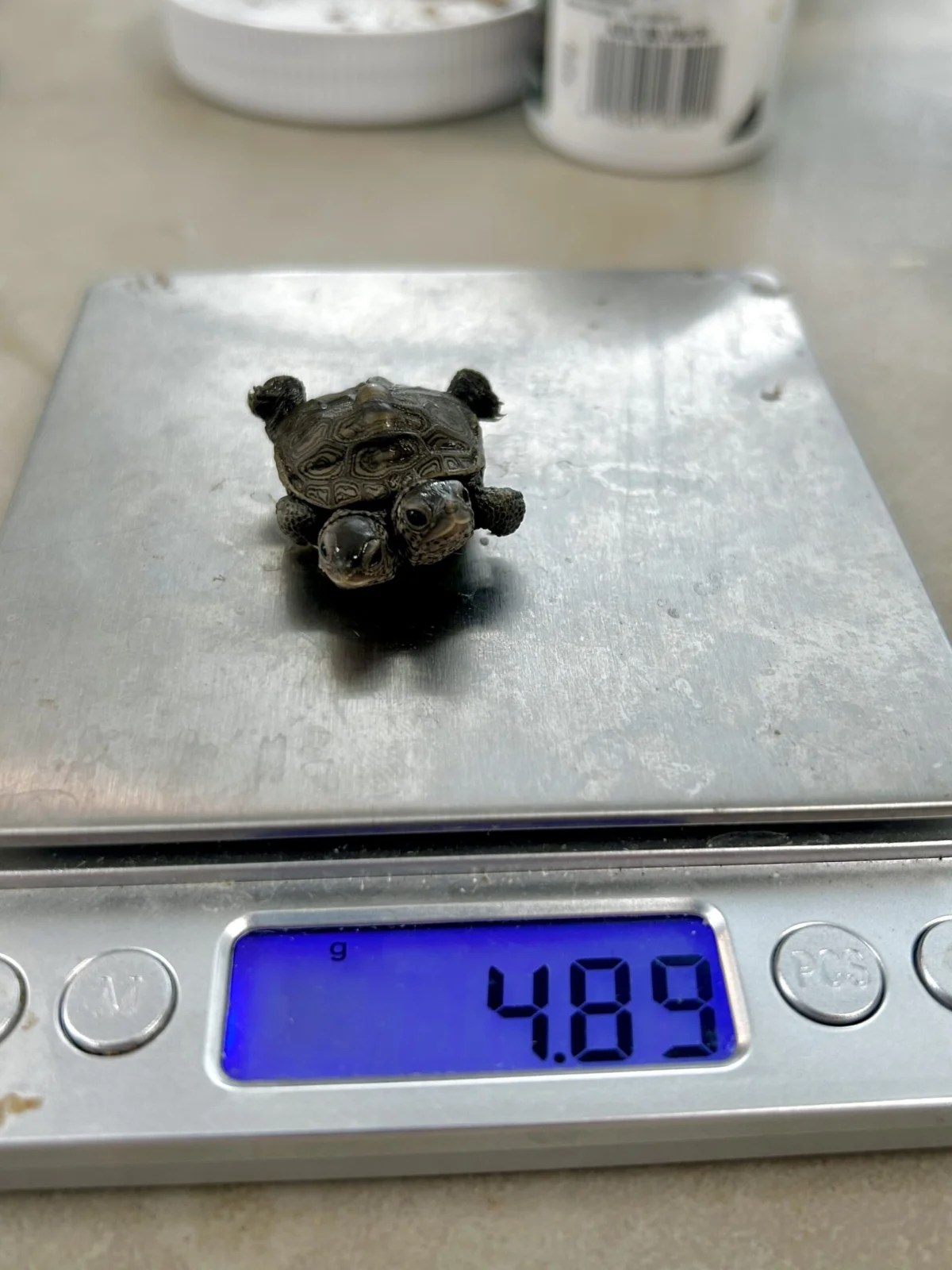
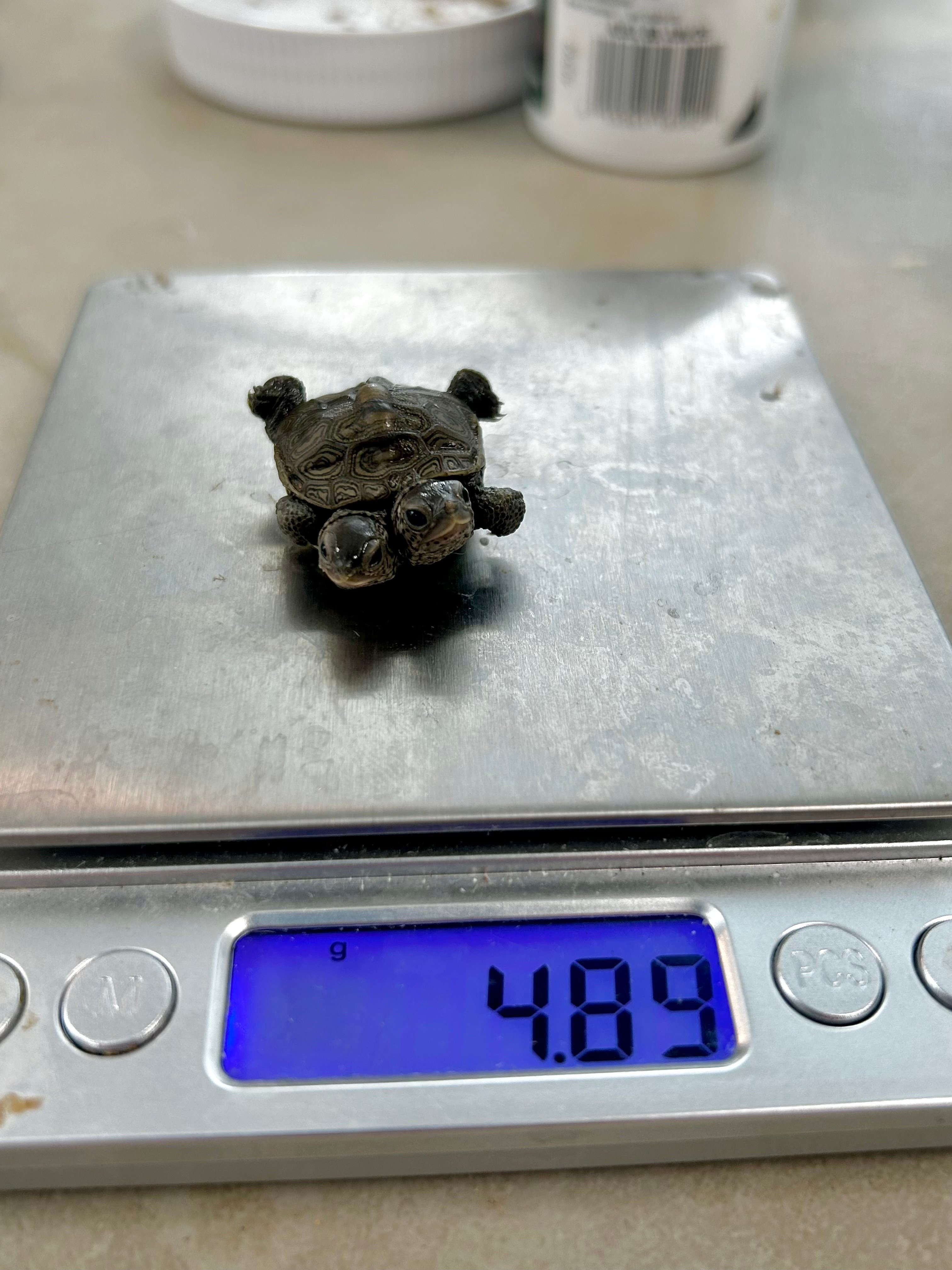
The recent discovery of a bicephalic diamondback terrapin (Malaclemys terrapin) at a protected nesting site in Wellfleet, Cape Cod, has provided researchers with a unique opportunity to study rare developmental anomalies in coastal reptiles. The hatchling, which weighs less than a standard nickel, was discovered by field staff at the Mass Audubon Wellfleet Bay Wildlife Sanctuary and subsequently transferred to the Cape Wildlife Center for specialized monitoring. This rare specimen, characterized by two distinct heads sharing a single body, has brought renewed attention to the delicate life cycles of the northern diamondback terrapin, a species currently navigating significant environmental and conservation challenges.
The Biological Phenomenon of Bicephaly
Bicephaly, or the condition of having two heads, is a rare form of polycephaly resulting from an incomplete division of an embryo during the early stages of development. In biological terms, this is often described as a failed attempt at monozygotic twinning. When an embryo begins the process of splitting into two distinct individuals but fails to complete the separation, the resulting organism often shares internal anatomy, such as a spine, digestive tract, or circulatory system, while maintaining two independent craniums.
Zak Mertz, CEO of the New England Wildlife Centers, has noted that this is the third such instance the organization has encountered in the last six years. While occurrences of bicephaly are historically documented in a variety of species—including snakes, turtles, and even mammals—they are notoriously rare in the wild. The survival rate for such animals is significantly lower than that of their counterparts due to the complex logistical challenges of navigating, feeding, and escaping predators with two sets of sensory organs and potentially conflicting neurological impulses.
Chronology of the Discovery and Initial Assessment
The discovery occurred during the standard late-season monitoring of protected turtle nesting sites on Cape Cod. The Mass Audubon team, which works extensively to prevent predation of terrapin nests, identified the unusual hatchling as it emerged from its incubation chamber.
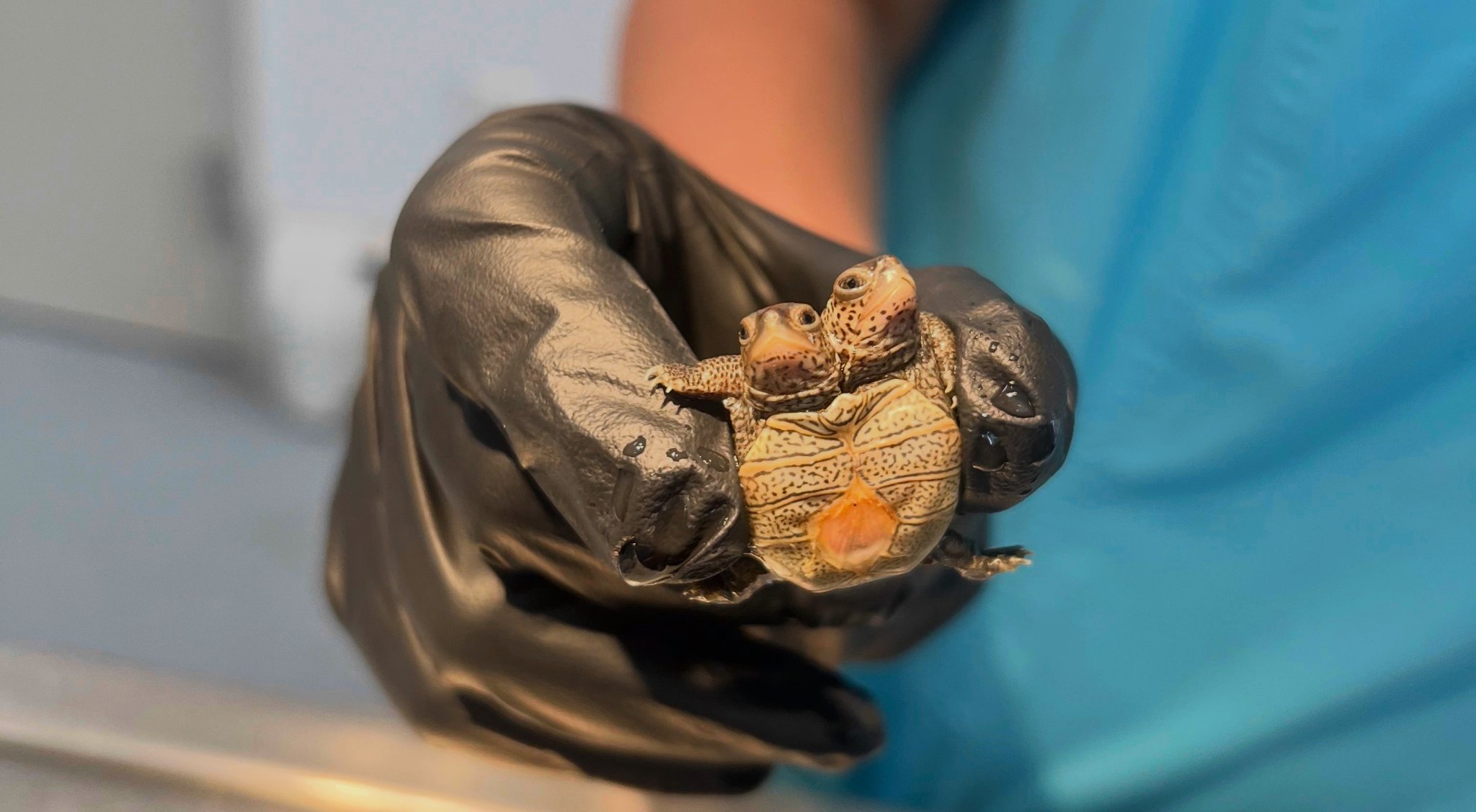
Upon its arrival at the Cape Wildlife Center, the turtle underwent an initial triage assessment. Staff confirmed that both heads appear responsive to stimuli and are capable of independent movement. The primary concern for the veterinary team in the days following the discovery was ensuring that both heads were successfully consuming food and maintaining normal levels of alertness. As of the latest update, the hatchling has demonstrated a positive, albeit cautious, baseline for health. The facility is currently maintaining the turtle in a controlled, stable environment designed to minimize stress and prevent secondary infections, which are common risks for hatchlings with anatomical deviations.
Contextualizing the Diamondback Terrapin
The diamondback terrapin is a unique species of turtle that occupies a critical ecological niche in the brackish marshes, lagoons, and tidal creeks along the Atlantic and Gulf coasts of the United States. Unlike many other turtle species that dwell entirely in freshwater or terrestrial habitats, the diamondback terrapin is uniquely adapted to life in water with varying levels of salinity.
The species faces significant existential threats. In Massachusetts, they are classified as Threatened under the Massachusetts Endangered Species Act. The threats to their population are multifaceted, including:
- Habitat Loss: Urban development and the conversion of salt marshes have reduced the available nesting and foraging grounds.
- Road Mortality: Female terrapins frequently travel inland to find suitable nesting sites, often crossing busy roads in the process, which leads to high rates of vehicular fatalities.
- Predation: Eggs and hatchlings are highly vulnerable to raccoons, skunks, and other opportunistic predators, necessitating the intensive nest protection programs currently managed by organizations like Mass Audubon.
- Climate Change: Rising sea levels pose a direct threat to the low-lying nesting beaches essential for the species’ reproductive success.
The federal conservation status of the species is currently under review by the U.S. Fish and Wildlife Service. The discovery of a bicephalic individual, while primarily a developmental anomaly, serves as a poignant reminder of the fragility of the species and the intensive efforts required to maintain viable population numbers in the region.
Official Perspectives and Veterinary Protocols
The care of this specific turtle involves a highly structured protocol. According to Mertz, the team is avoiding excessive handling to ensure the animal does not experience unnecessary stress. The goal is to conduct non-invasive diagnostics, specifically high-resolution imaging, to determine the extent of internal shared anatomy.
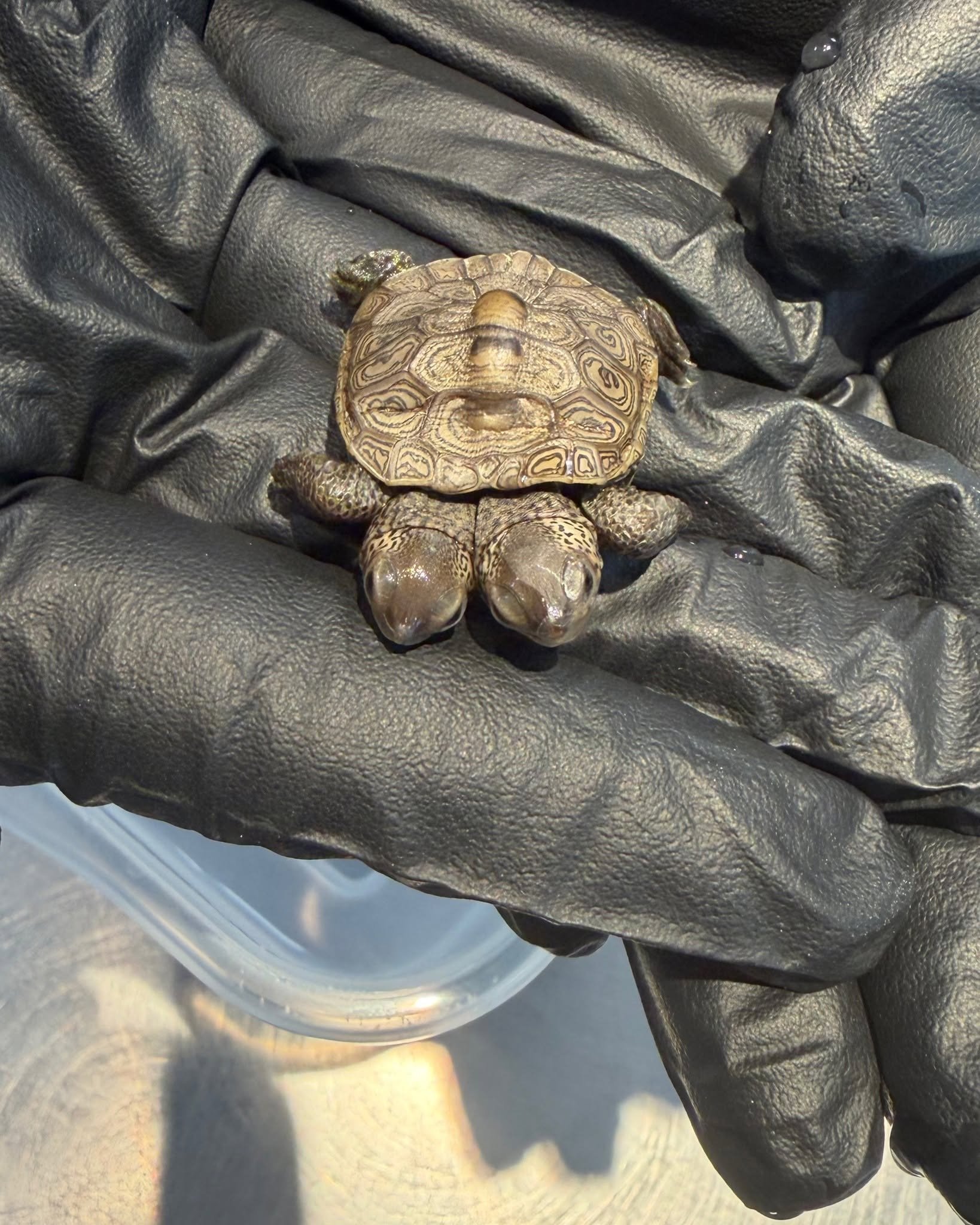
"We are currently observing both heads to see how they coordinate," Mertz noted. "Because we have seen this a few times, we have a framework for observation, but every case is distinct in terms of how much they share beneath the shell."
The veterinary staff at the Cape Wildlife Center is looking for indicators of "symmetry" in the turtle’s development. If the two heads are competing for control of limbs or if internal organs are severely restricted by the shared space, the long-term prognosis for the animal’s survival will change. At present, the team is not speculating on the possibility of releasing the turtle back into the wild. Such animals typically require lifelong captive care, as their neurological coordination often makes it impossible for them to forage effectively or evade predators in natural environments.
Implications for Research and Future Conservation
While the discovery of a two-headed turtle may seem like a biological curiosity, it offers valuable data for wildlife biologists. By documenting the anatomical structure of such specimens, scientists can gain insights into the developmental stressors that may be present in the local environment.
There is currently no evidence to suggest that the frequency of bicephaly in these populations is linked to environmental toxins or pollution. However, the consistent monitoring of these occurrences allows the scientific community to track potential environmental shifts. The data collected from this specimen will likely be contributed to regional biological databases, which assist in understanding the long-term trends of reptile reproduction in Massachusetts.
Furthermore, the public interest generated by this story serves an educational purpose. By highlighting the complexity of the terrapin’s life cycle, conservation groups can draw attention to the broader needs of the species. When the public understands the challenges these animals face—from the moment they hatch with such rare conditions to the dangers they face when traversing human-dominated landscapes—support for habitat protection and conservation funding often increases.
Looking Ahead
The Cape Wildlife Center has emphasized that the immediate priority remains the stability of the hatchling. The staff is prepared for a long-term care scenario, as they evaluate the animal’s capacity to thrive. The determination of the turtle’s sex—which, in many turtle species, is dependent on the temperature of the nest during incubation—will only be possible once the animal has grown significantly.
For the time being, the turtle remains a focal point of careful observation. The case underscores the importance of the ongoing collaboration between environmental organizations in Massachusetts. By combining the fieldwork of the Mass Audubon sanctuary with the specialized veterinary capabilities of the Cape Wildlife Center, the region has developed a robust system for managing not only the standard population of diamondback terrapins but also the rare, anomalous cases that require intensive intervention.
As research progresses, the findings from this specific case will be published as part of the center’s ongoing clinical studies, contributing to the broader field of herpetology. For now, the tiny, two-headed survivor remains a testament to the unpredictable nature of biological development and the dedicated, meticulous care provided by those working on the front lines of wildlife conservation.

