
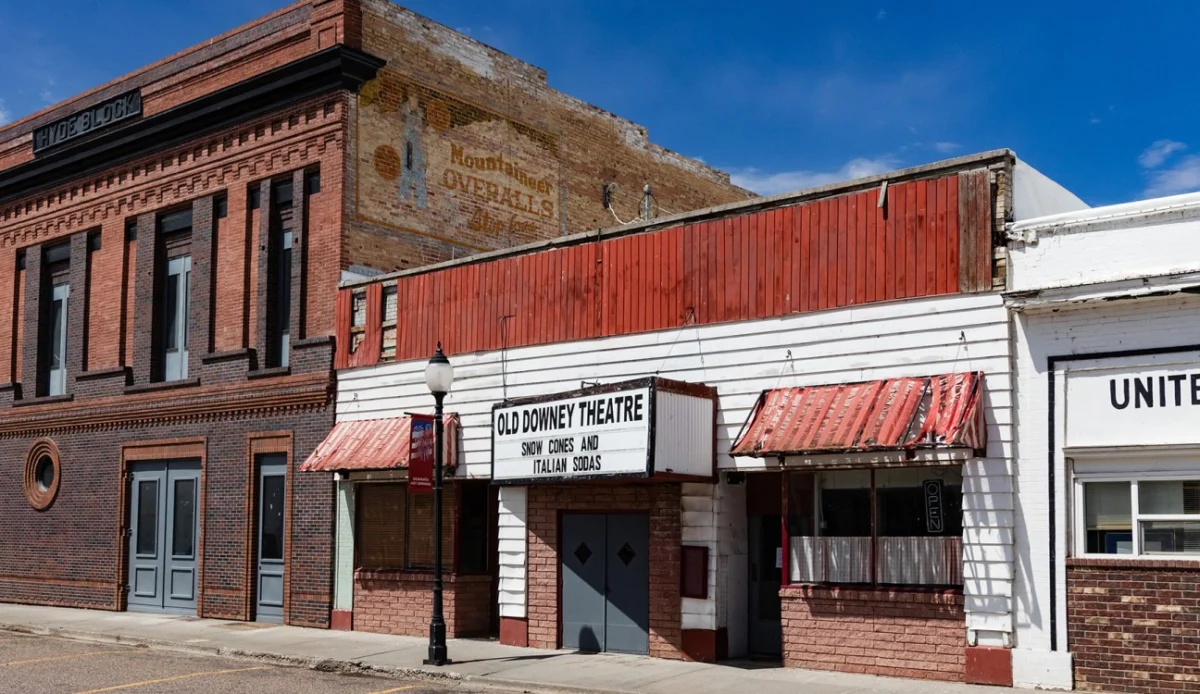
The political and economic landscape of rural Idaho is currently defined by a singular, intense debate: whether the preservation of traditional agrarian aesthetics should supersede the urgent national demand for expanded electrical infrastructure. In Bannock County, this tension has manifested in a years-long legislative standoff that pits property rights advocates against those who fear that industrial-scale renewable energy projects threaten the character and safety of their communities. As the county prepares for a pivotal vote this fall on a new energy ordinance, the outcome will serve as a bellwether for how rural America navigates the transition toward a modernized, decarbonized power grid.
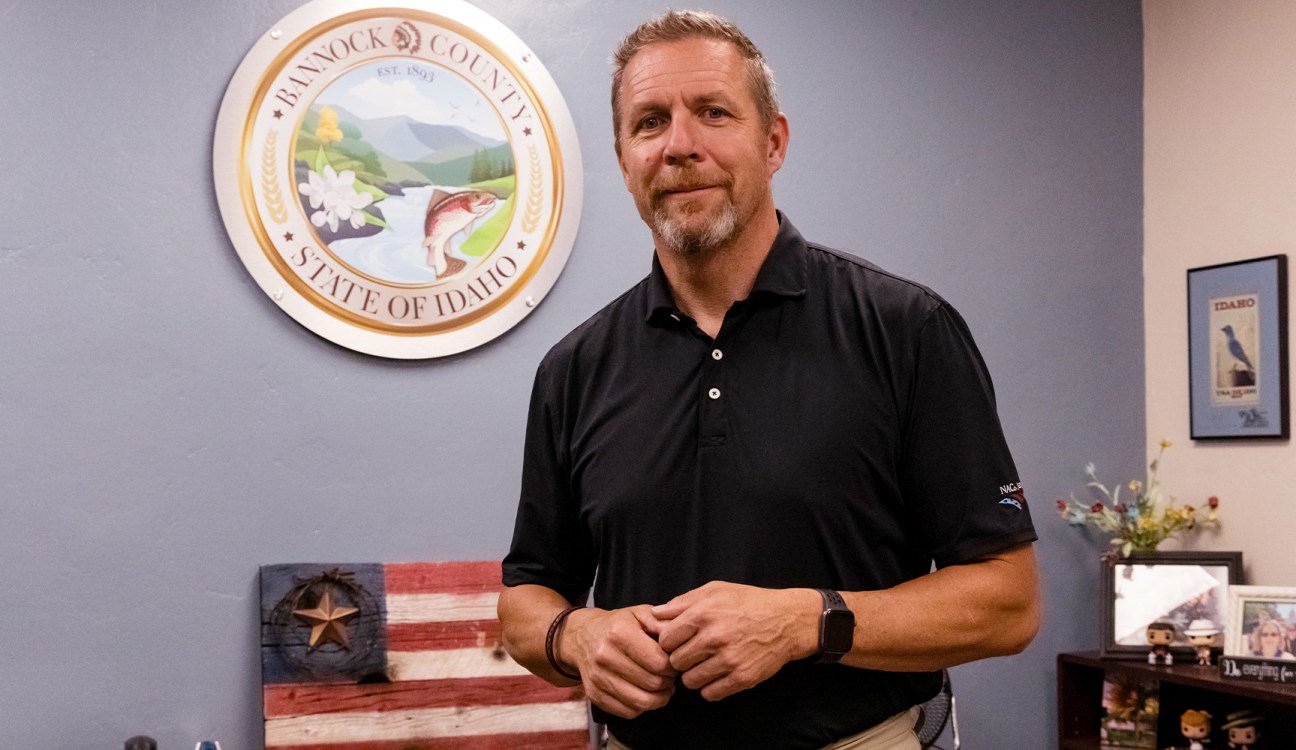
The conflict reached a boiling point in March 2024, when the Bannock County Commission voted 2–1 to implement a sweeping ban on utility-scale solar and wind development. Commissioner Jeff Hough, who cast the lone dissenting vote, argued that the ordinance was a direct violation of the foundational property rights that the county and the nation were built upon. Since that vote, the political climate has shifted significantly. Hough, now chair of the commission, has spent his tenure working to reverse the prohibition. This autumn, he will lead a vote on a revised ordinance that seeks to normalize the development of wind, solar, and nuclear energy—a move that reflects a broader, often painful, reassessment of local economic survival.
A Chronology of Constraint
The roots of the current impasse trace back to late 2023, during the Idaho Association of Counties conference in Boise. At that time, the proposed Lava Ridge Wind Project—a massive 1-gigawatt development on federal land—was the primary topic of conversation. The project triggered widespread anxiety among rural leaders, who feared that the federal government and large developers were steamrolling local authority.
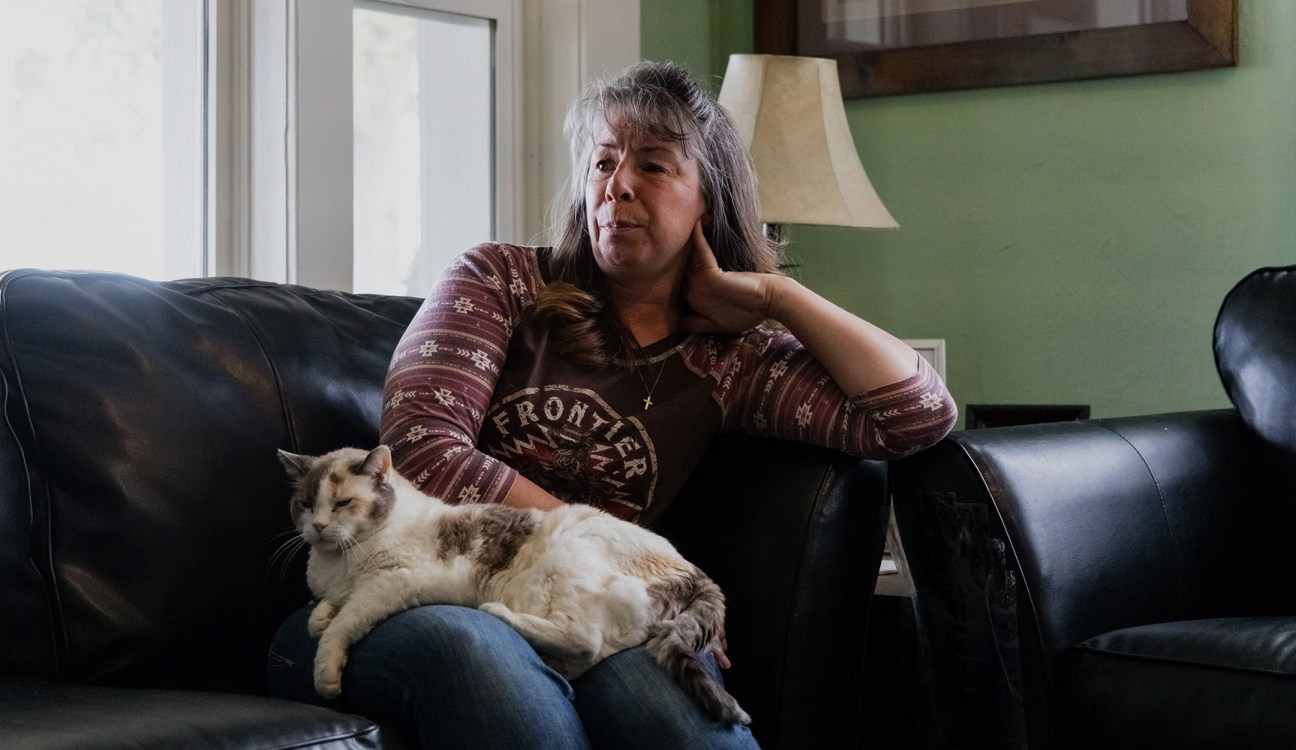
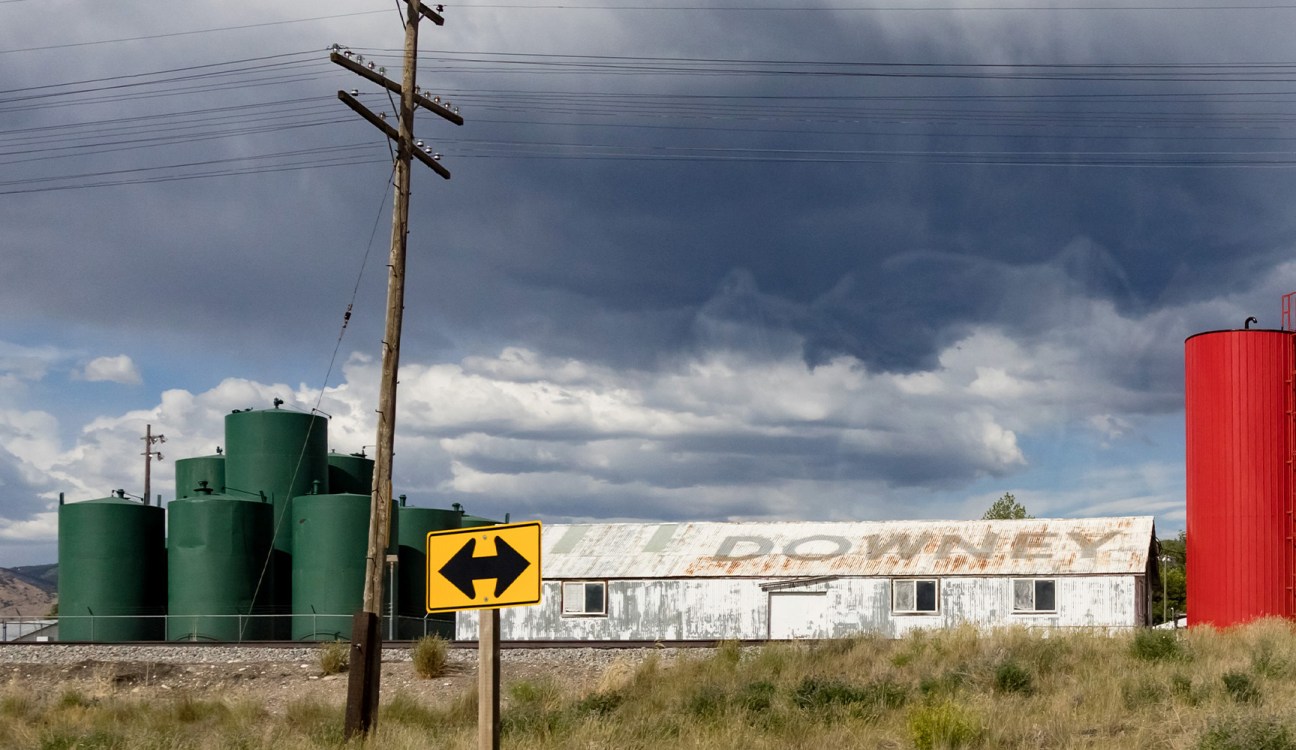
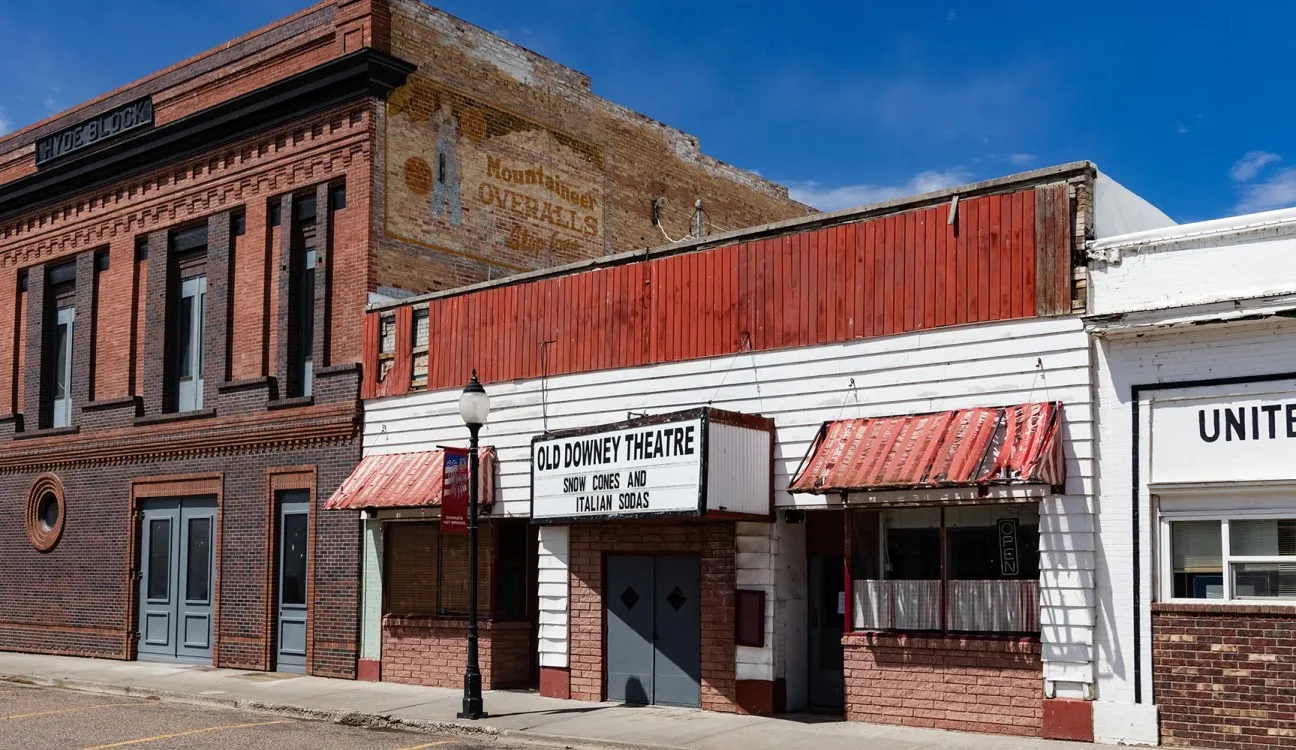
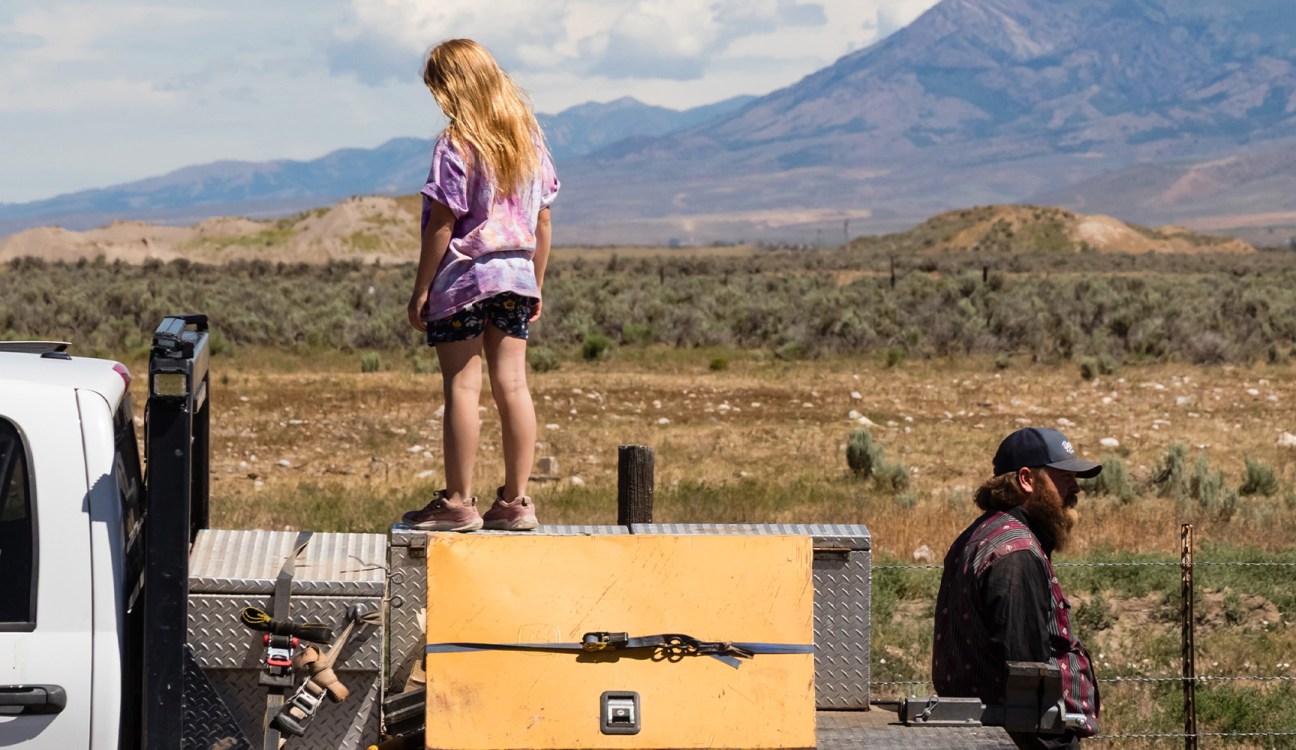
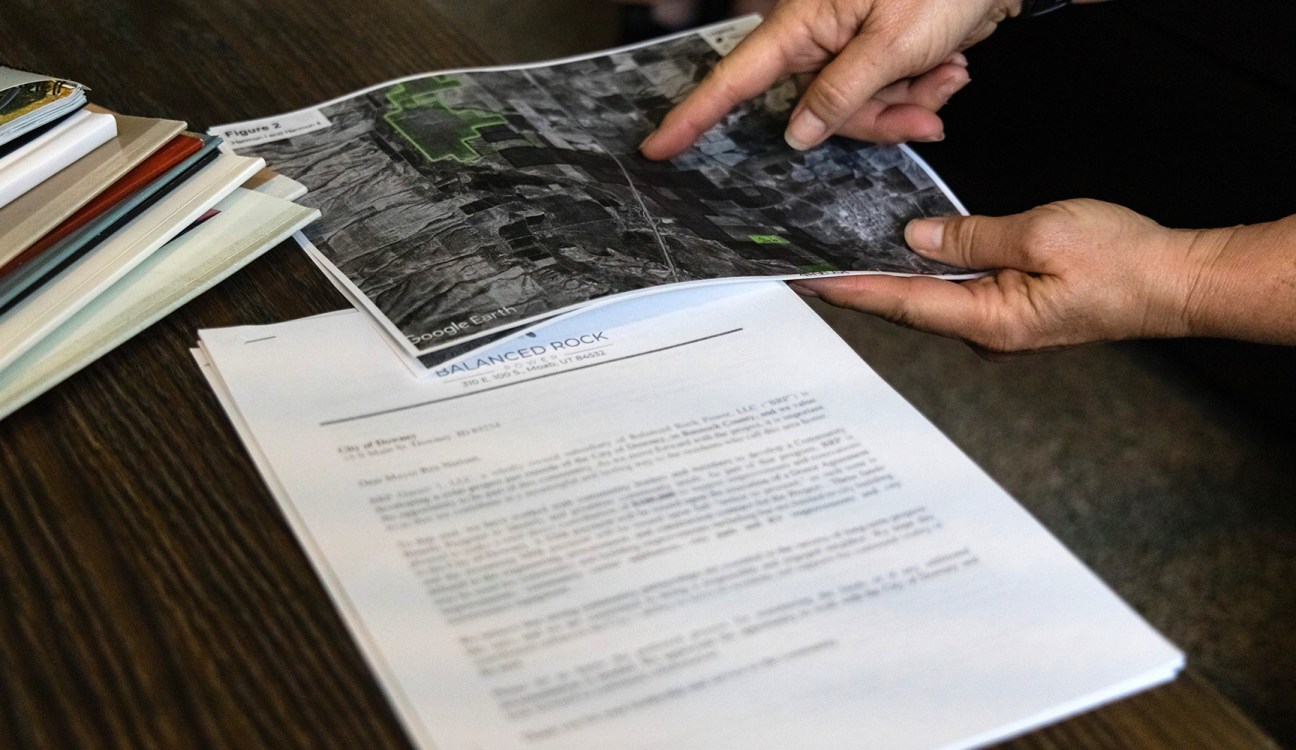
Returning to Pocatello with these concerns, Commissioner Hough moved to establish a six-month moratorium on energy projects, intended to provide the county time to draft responsible land-use regulations. However, the temporary pause was quickly captured by a grassroots movement of local residents who sought to make the ban permanent. Led by individuals like Rebecca Falcon, an 80-acre landowner in Downey, these opponents organized a campaign based on fears of landscape degradation, potential fire hazards, and the loss of prime agricultural land. By the time of the February 2024 public hearing, the issue had polarized the county, culminating in the March vote that solidified the ban.
The Economic Imperative
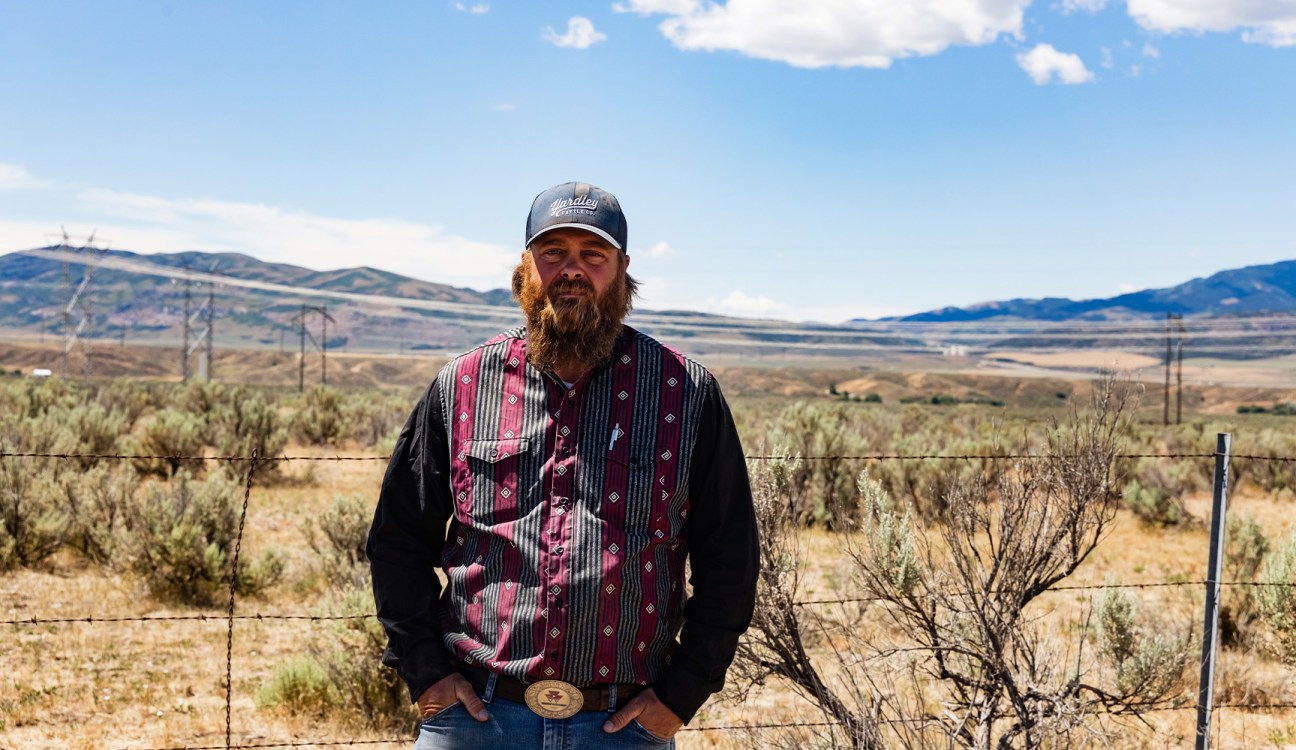
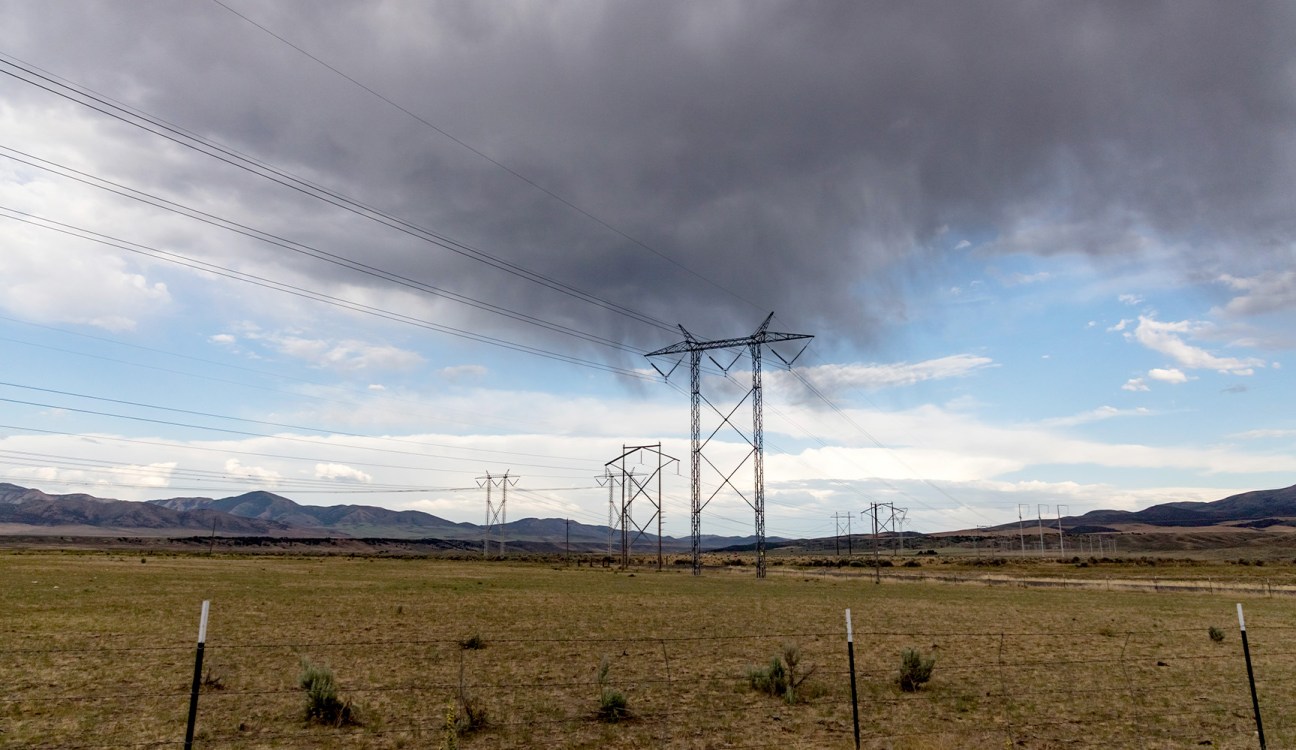
While the opposition remains entrenched, the fiscal reality of the region is changing. Idaho Power, the state’s primary utility, has projected a staggering 1-gigawatt increase in electricity demand by 2030, a 26 percent surge that necessitates rapid infrastructure investment. Bannock County is uniquely positioned to capitalize on this growth due to its proximity to the Populus substation—a critical nexus for regional energy distribution.
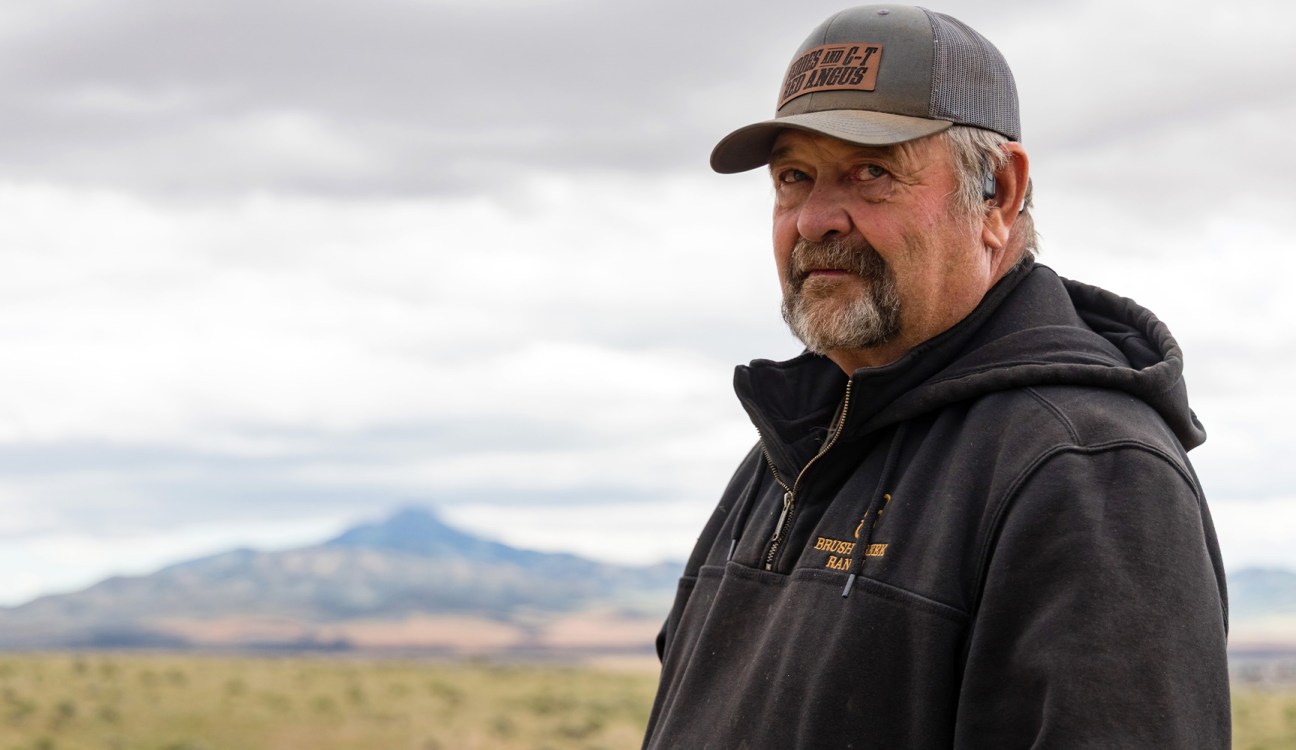
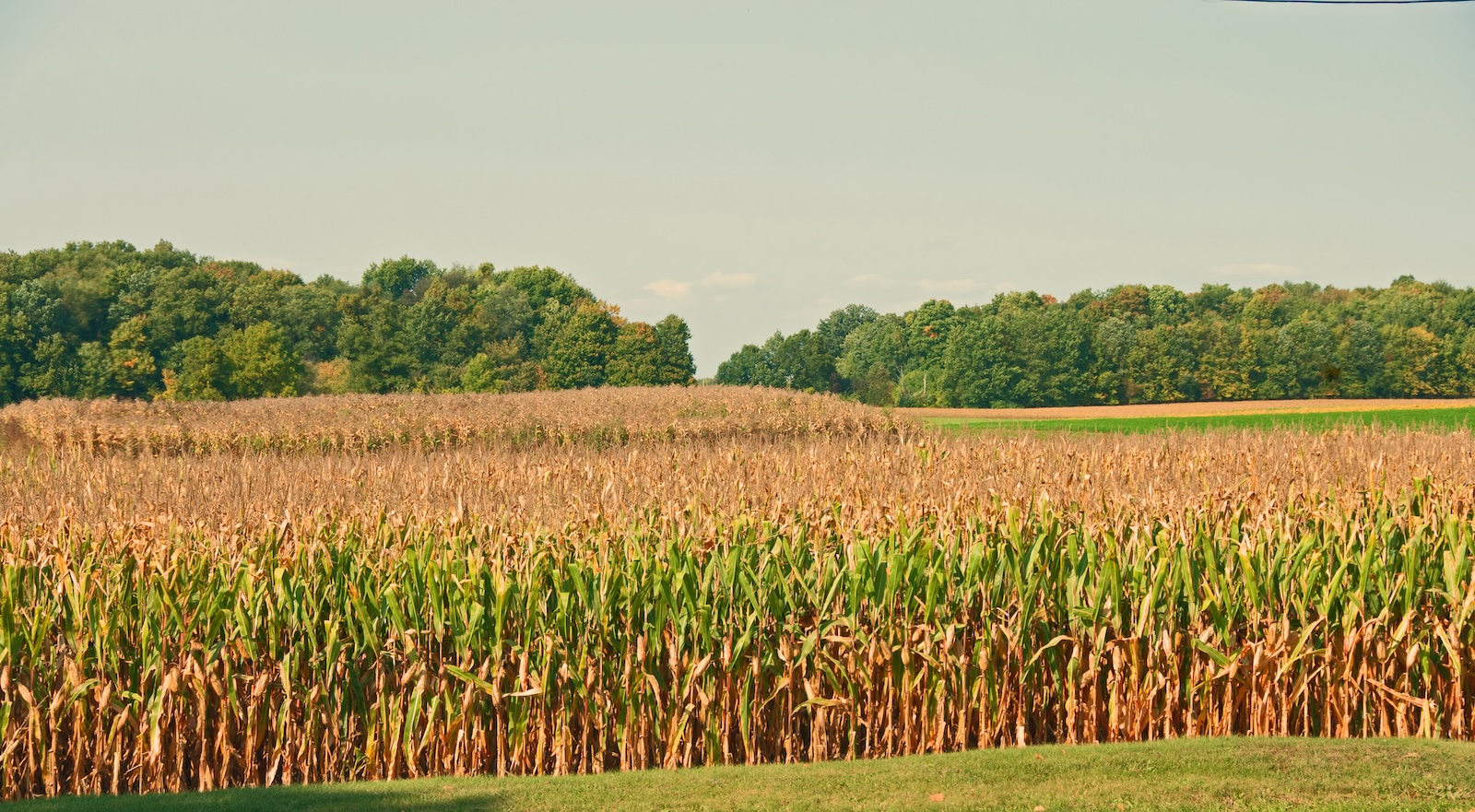
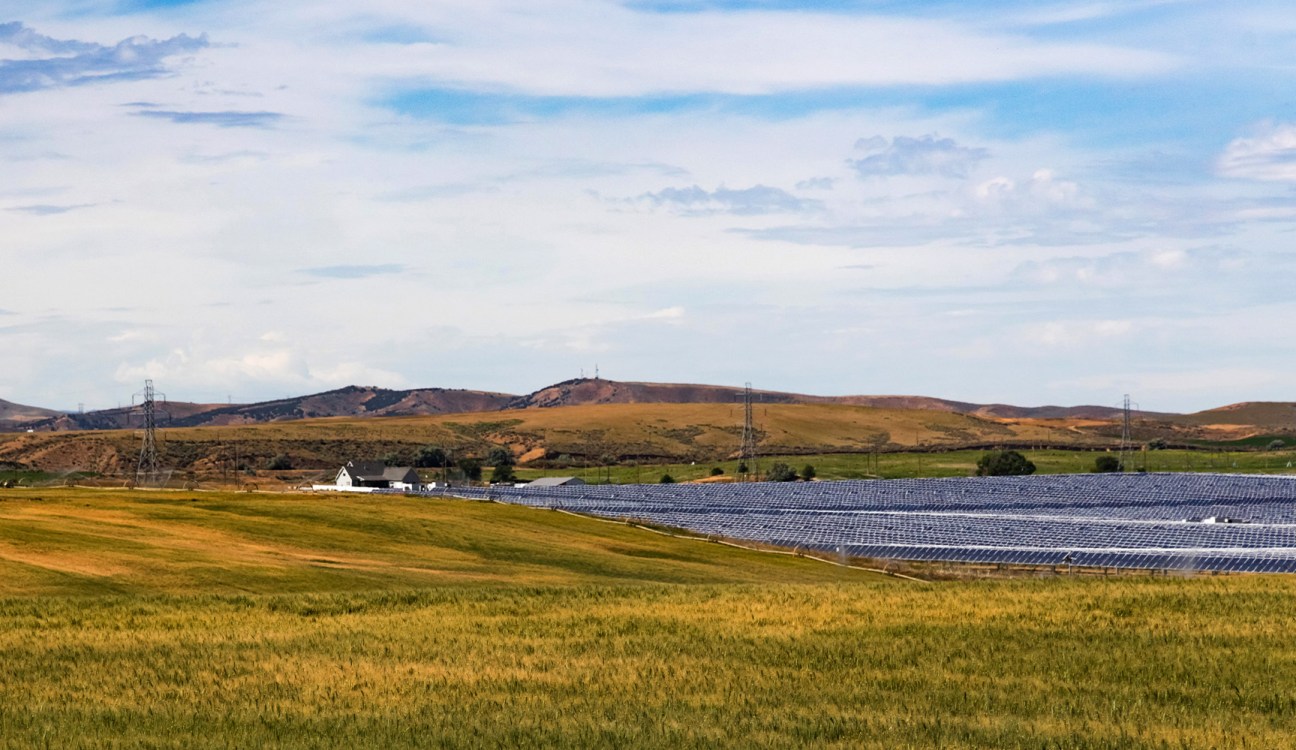
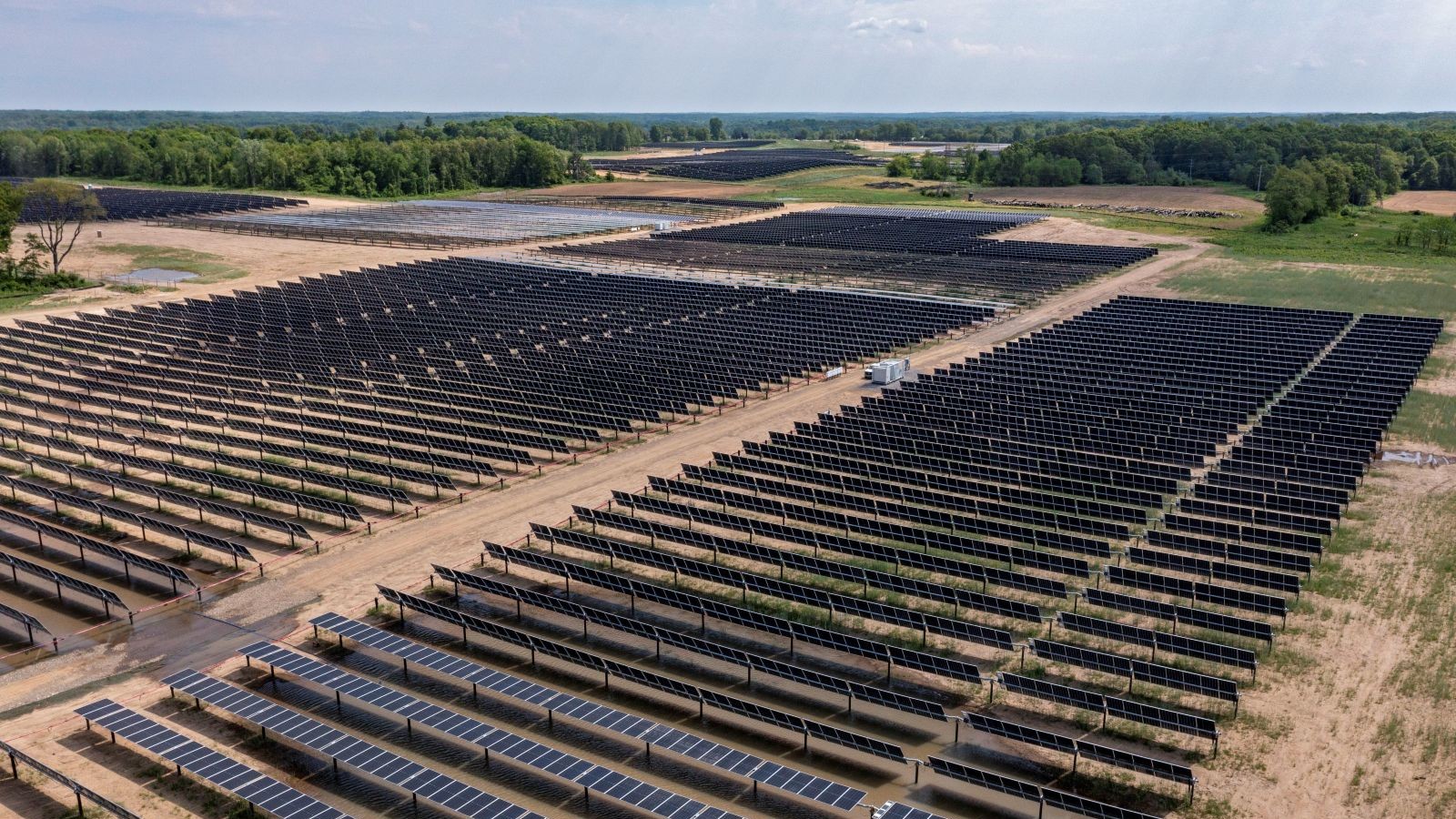
The financial incentives are significant. In neighboring Power and Bingham counties, tax revenues from renewable projects have provided hundreds of thousands of dollars in annual funding for local services. For many farmers, such as Dale Lish, the opportunity to lease non-productive land for solar arrays offers a lifeline. Faced with record-low snowfall and worsening drought conditions, many family farms in southern Bannock County are no longer economically viable through traditional grain farming alone. Lish, who previously held a contract with the developer Hecate Energy, argues that the ability for private landowners to diversify their income is essential to preserving the multi-generational ownership of Idaho’s farmlands.
Public Sentiment and the Nuclear Alternative
One of the most surprising developments in this saga is the emergence of nuclear energy as a potential point of consensus. A county survey conducted in early 2026 revealed that 90 percent of residents held favorable views toward nuclear energy, likely influenced by the regional presence of the Idaho National Laboratory (INL). For many residents, including those who staunchly oppose solar, nuclear energy offers a high-density, low-footprint alternative to the vast acreage required by solar farms.
However, industry experts urge caution regarding the timeline. While the U.S. government is pouring millions into AI-driven nuclear research and supporting experimental projects like TerraPower’s Natrium reactor in Wyoming, commercial small modular reactors (SMRs) remain a nascent technology. The industry is currently plagued by supply chain volatility and the high failure rate of "first-of-a-kind" projects. Despite the public enthusiasm for nuclear, it is not a solution that will satisfy the immediate energy demands of the next three to five years. Commissioner Hough has emphasized this point, suggesting that while nuclear is a vital long-term objective, solar and wind are necessary components of the transition.
The Safety and Regulatory Debate
Opposition to solar often centers on the fear of battery energy storage systems (BESS). Fire departments in rural communities like Downey and Lava Hot Springs have expressed concerns that they lack the specialized training and equipment required to manage thermal runaway incidents in lithium-ion battery arrays.
The draft ordinance currently under consideration by the commission attempts to address these anxieties directly. It includes strict requirements for developers to pay into decommissioning bonds, ensuring that the financial burden of site cleanup at the end of a project’s life does not fall on taxpayers. Furthermore, the proposed language mandates that developers provide the necessary funding and equipment for local fire districts. Despite these guardrails, skepticism remains high. Critics argue that once the land is committed to industrial use, the original character of the valley is permanently altered.
Broader Implications for Rural America
The struggle in Bannock County is not an isolated event; it is a microcosm of a nationwide trend. According to a joint analysis by The Daily Yonder and Canary Media, nearly one in four U.S. counties had implemented some form of moratorium or barrier to clean energy by 2025, with over 60 percent of those jurisdictions being rural. This trend suggests a deepening divide between the urban demand for renewable energy and the rural desire to control land-use outcomes.
The political fallout in Bannock County has been significant. In the May 2026 primary, Commissioner Hough successfully defended his seat by 14 percentage points, though his opponent swept the vote in the anti-solar stronghold of Downey. This indicates that while the county is clearly divided, the appetite for a more pragmatic, development-friendly approach is gaining momentum among a broader constituency.
As the fall vote approaches, the Bannock County commissioners are effectively performing a high-wire act. They are tasked with balancing the constitutional principles of private property rights against the localized fear of industrialization. Commissioner Ernie Moser, a longtime opponent of the ban who has recently signaled a potential shift in perspective, summarizes the dilemma well: "It’s not a personal choice. It’s hard choices."
For the residents of Bannock County, the final decision will not only dictate the landscape of their valleys for the next half-century but will also define whether they will be a participant in the coming energy transition or a bystander watching the economic benefits move elsewhere. Whether the county chooses to maintain its "closed for business" stance or embraces a more diversified regulatory framework, the outcome will provide a critical case study for rural communities across the United States as they face the same complex, generational questions about land, energy, and the future of their communities.

