
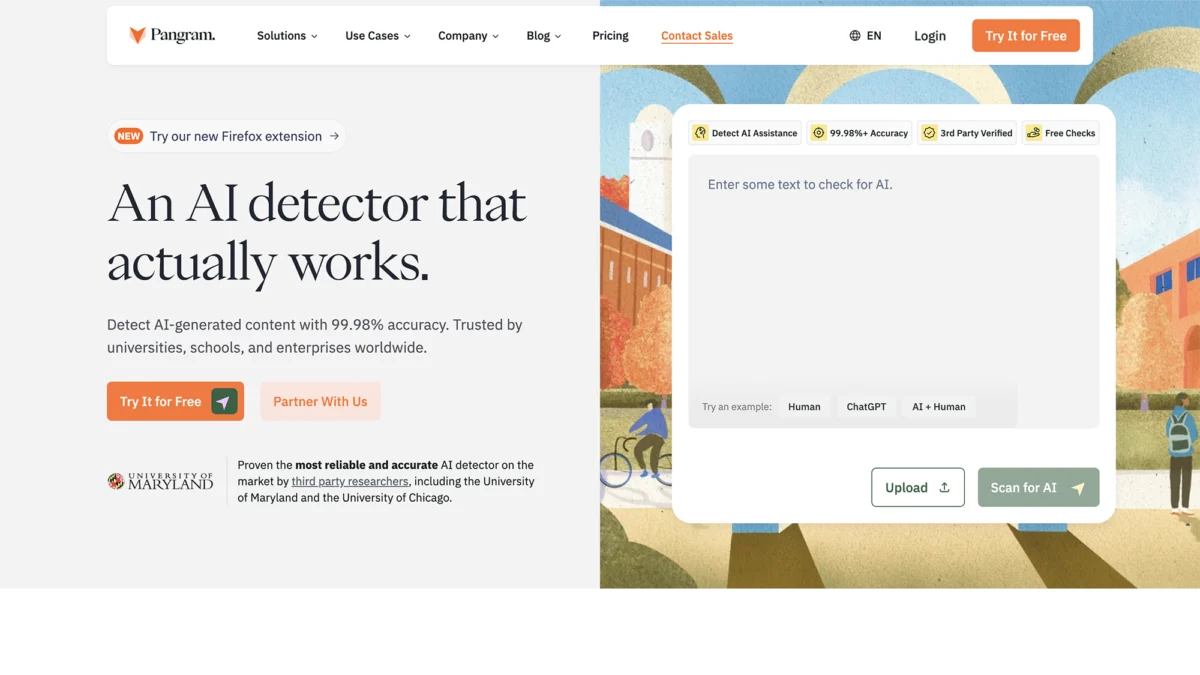
The ubiquity of artificial intelligence in content creation has sparked a critical question: can AI-generated text be reliably identified? As AI tools like ChatGPT, Gemini, and Claude become increasingly sophisticated, their output can often be indistinguishable from human writing, raising concerns across academic, professional, and personal spheres. This article delves into the evolving landscape of AI detection, examining the effectiveness of prominent AI detection tools by putting them to the test against both human-authored and AI-generated content. The findings offer a nuanced perspective on the current capabilities and limitations of these technologies, providing insights for anyone navigating the increasingly blurred lines between human and machine-generated prose.
The rise of advanced language models has democratized content creation to an unprecedented degree. From drafting emails and generating marketing copy to composing academic essays and even writing news articles, AI can now produce polished text with remarkable speed and fluency. This capability, while offering immense benefits in terms of efficiency and accessibility, simultaneously presents a significant challenge: discerning the origin of written content. In educational settings, the specter of AI-assisted cheating looms large, prompting institutions to explore methods for verifying the authenticity of student work. Similarly, businesses grapple with the potential for AI-generated content to flood platforms, diluting the value of genuine human insight and expertise.
The challenge of AI detection is compounded by the very nature of how these models operate. Large Language Models (LLMs) are trained on vast datasets of human-generated text, enabling them to learn intricate patterns, grammatical structures, and stylistic nuances. This allows them to mimic human writing styles with uncanny accuracy. However, researchers and developers have identified certain "tics" or recurring patterns that can sometimes betray an AI’s origin. These can include specific sentence structures, predictable word choices, an over-reliance on certain transitional phrases, or an absence of the subtle imperfections and unique voice that characterize human writing. Armed with these observations, a burgeoning industry of AI detection tools has emerged, promising to be the digital arbiters of content authenticity.
To assess the efficacy of these tools, a rigorous testing methodology was employed. A selection of introductory paragraphs from articles recently authored by a human writer (without AI assistance) served as the baseline for human-generated content. Subsequently, AI models—specifically ChatGPT, Gemini, and Claude—were tasked with generating 150-word versions of these introductions, based solely on the original article titles and premises. This created a controlled experiment with four distinct categories of text: human-authored, ChatGPT-generated, Gemini-generated, and Claude-generated.
Five leading AI detection tools were then enlisted to analyze these text samples. The chosen tools were Pangram, Grammarly, GPTZero, Scribbr, and Copyleaks. Each tool was evaluated on its ability to accurately distinguish between human and AI-generated content, with particular attention paid to the confidence levels and explanations provided by the detectors. The results of this comparative analysis paint a compelling picture of the current state of AI detection technology.
Pangram: A Promising Start
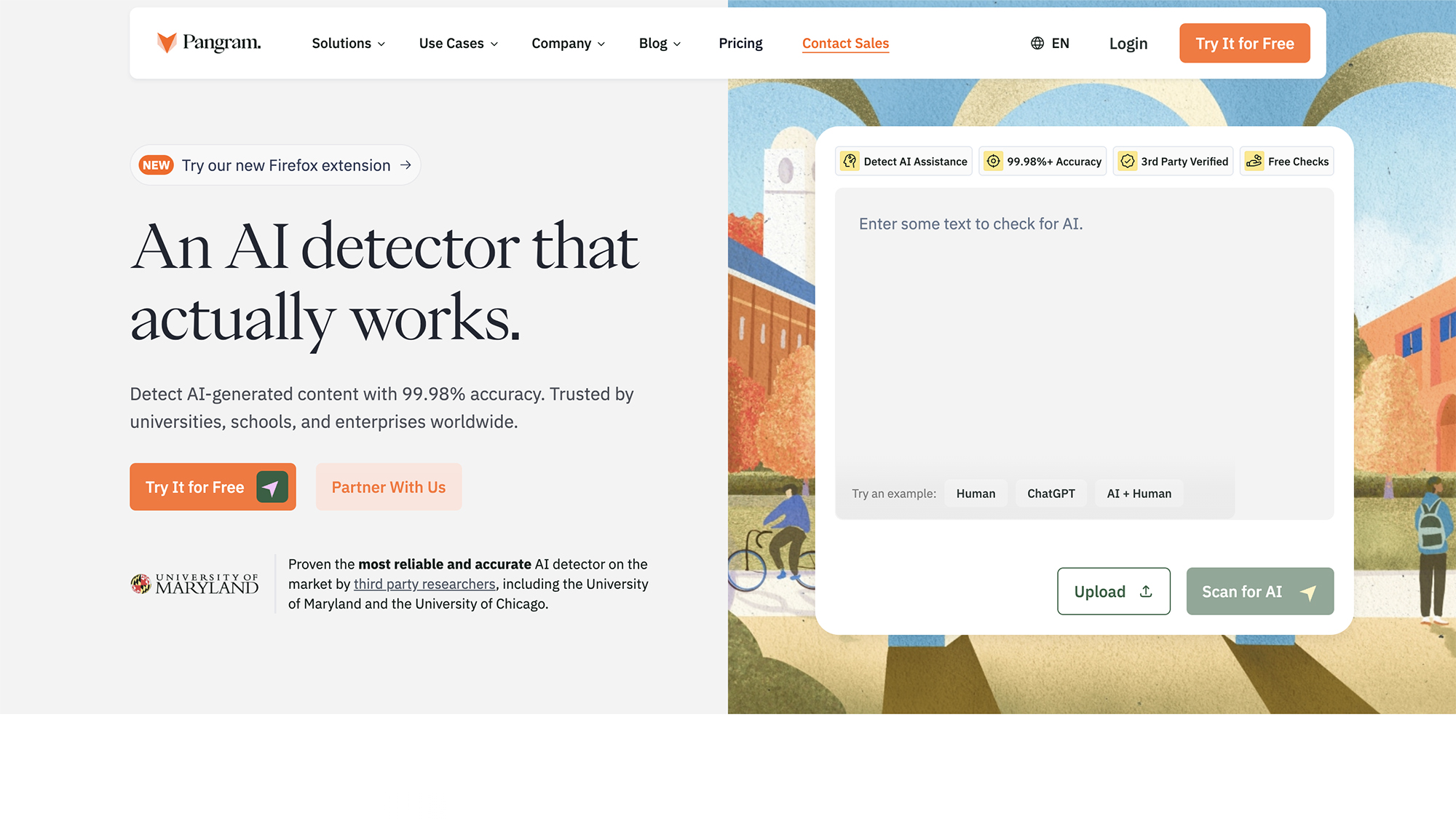
Pangram, a tool that bills itself as "an AI detector that actually works," offers a free tier allowing up to four queries per day, with subscription options providing enhanced features and higher usage limits. The initial results from Pangram were highly encouraging. Both of the author’s human-written samples were unequivocally identified as 100 percent human-authored, with the tool expressing a "high" level of confidence in its assessment. This suggests that Pangram is adept at recognizing the hallmarks of human writing, distinguishing it from the output of current AI models.
More critically, Pangram demonstrated a strong capability in identifying AI-generated content. When presented with introductions crafted by ChatGPT and Claude, Pangram correctly classified them as 100 percent AI-written. The tool also provided valuable insights into its reasoning, highlighting specific phrases, such as "from the moment you…" as potential indicators of AI generation. This ability to not only detect but also explain its findings adds a layer of transparency and trustworthiness to Pangram’s performance. In this test, Pangram achieved a perfect score, accurately classifying all four text samples.
Grammarly: A Familiar Name in a New Arena
Grammarly, a long-standing and widely recognized platform for grammar and spelling correction, has expanded its suite of services to include AI detection. The platform offers three free AI checks per day, with paid plans starting at $12 per month that unlock higher usage limits and a broader range of features. Similar to Pangram, Grammarly’s assessment of the author’s human-written text was highly positive. Both samples were classified as having zero percent AI text or AI text patterns, reinforcing the notion that Grammarly can effectively differentiate human prose.
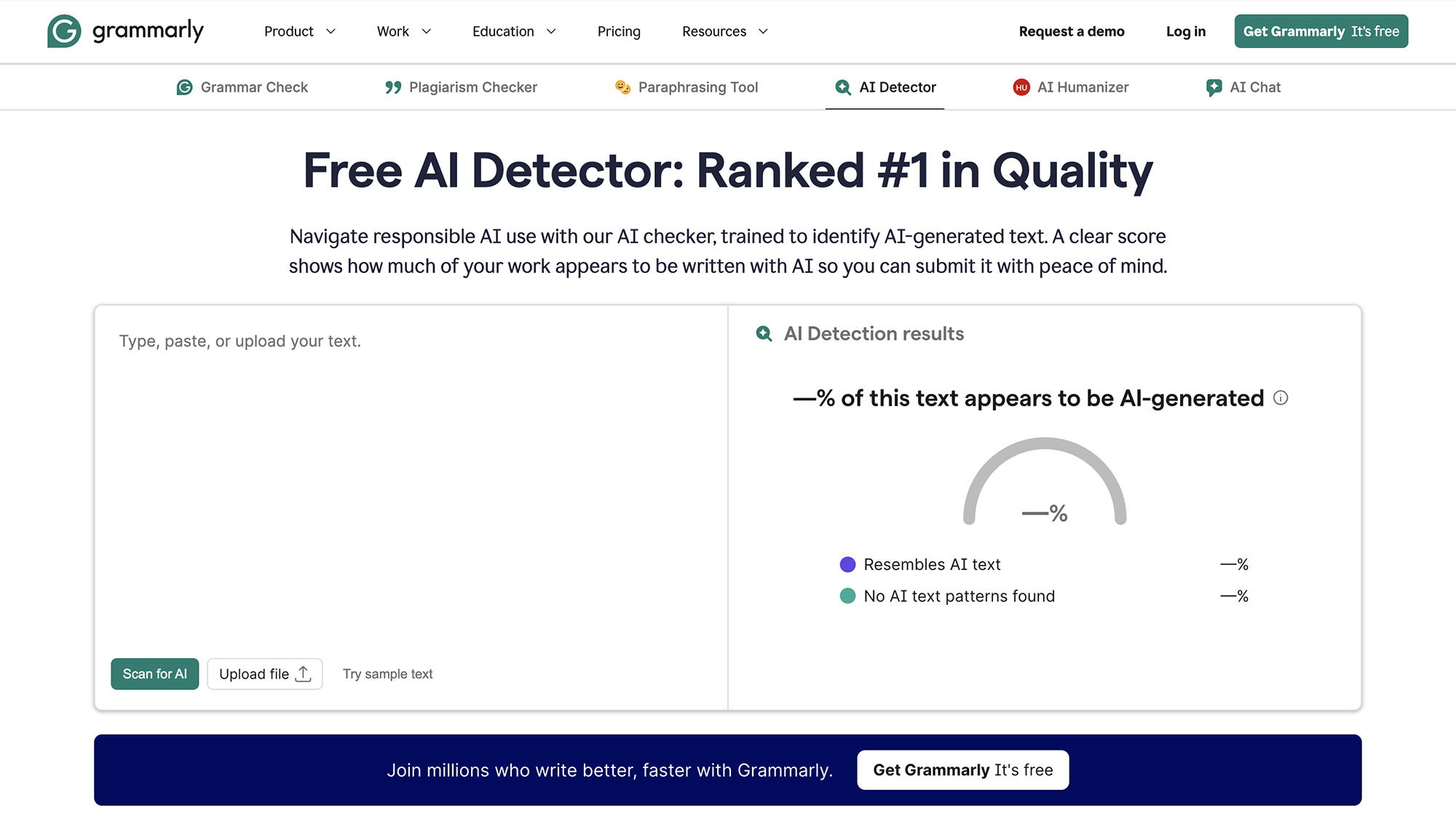
However, Grammarly’s performance with AI-generated content was slightly less definitive than Pangram’s. The AI-generated samples from Claude and Gemini were flagged as being 68 percent and 66 percent AI-written, respectively. While Grammarly successfully identified the presence of AI characteristics, it stopped short of declaring them fully AI-generated with absolute certainty. This suggests that while Grammarly can flag AI-like patterns, its confidence threshold might be set differently, or its algorithms may be more conservative in their pronouncements. Despite this slight ambiguity, Grammarly still achieved a commendable 4 out of 4 correct classifications in this test, demonstrating a significant ability to identify AI influence.
GPTZero: Preserving the Human Element
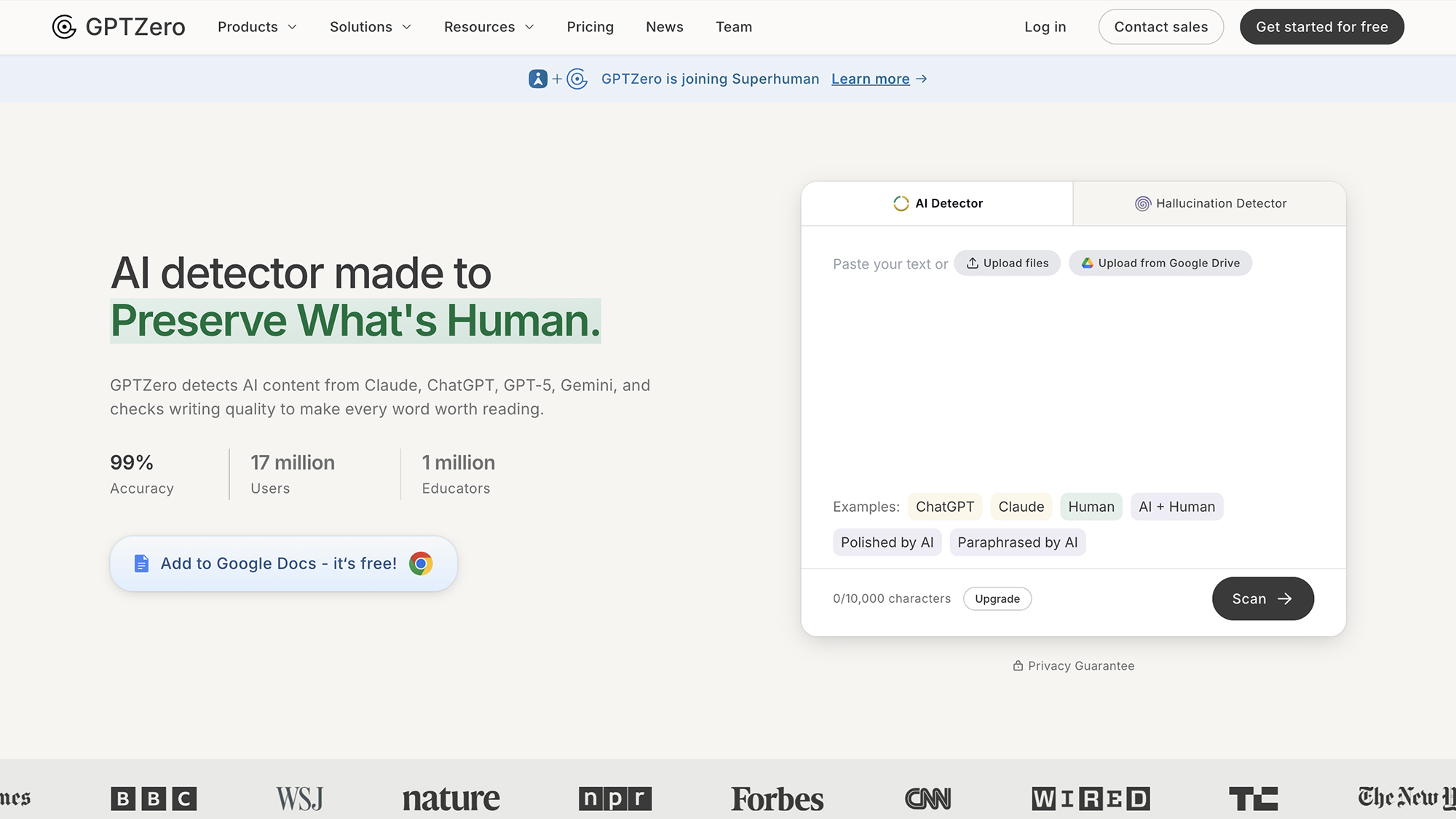
GPTZero positions itself with a mission to "preserve what’s human" by accurately identifying AI-generated sentences. The platform offers a generous free tier, allowing users to scan up to 10,000 words monthly, with paid plans starting at $23.99 per month for expanded word counts and advanced features. In line with the previous tools, GPTZero confidently classified both of the author’s human-written samples as entirely human-generated, stating, "We are highly confident this text is entirely human." This consistent performance across multiple detectors for human writing suggests a growing consensus on what constitutes "human-like" prose in the context of AI detection.
When presented with AI-generated texts from Gemini and ChatGPT, GPTZero also proved highly effective, correctly identifying them as AI-generated. Notably, GPTZero went a step further by highlighting the specific sentences it deemed most indicative of AI authorship. While the author found it challenging to discern the precise patterns in these flagged phrases, this level of detail offers a valuable glimpse into the underlying mechanisms of AI detection. GPTZero also achieved a perfect score of 4 out of 4 correct classifications, reinforcing its standing as a capable AI detection tool.
Scribbr: Mixed Results with a Free Offering
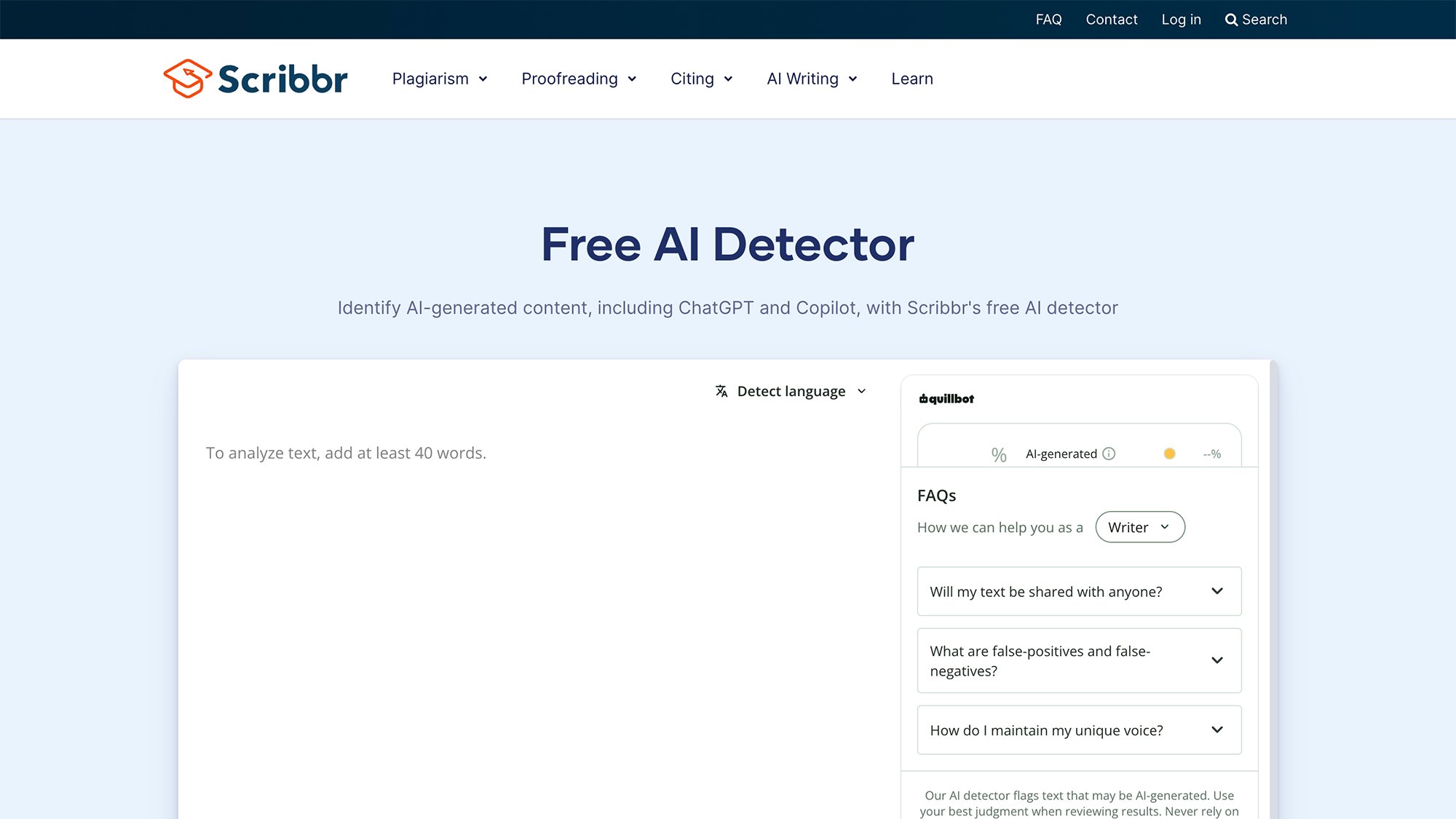
Scribbr, known for its array of editing and proofreading services, offers a free AI detector tool that requires no account registration. This accessibility makes it an attractive option for casual users. The tool provided a positive assessment of the author’s human-written samples, clearing them as 100 percent human-authored. Scribbr does include a disclaimer acknowledging that AI detectors are not always fully reliable, a prudent note given the evolving nature of AI technology.
However, Scribbr’s performance faltered when analyzing AI-generated content. The samples from ChatGPT and Claude were erroneously marked as entirely AI-free, despite their clear origin from AI models. This resulted in a less impressive 2 out of 4 correct classifications for Scribbr. The tool’s apparent overconfidence in its inaccurate pronouncements raises questions about the robustness of its detection algorithms. While Scribbr’s free and accessible nature is a benefit, its accuracy in identifying AI-generated text in this test was notably lower than its competitors.
Copyleaks: A Varied Performance
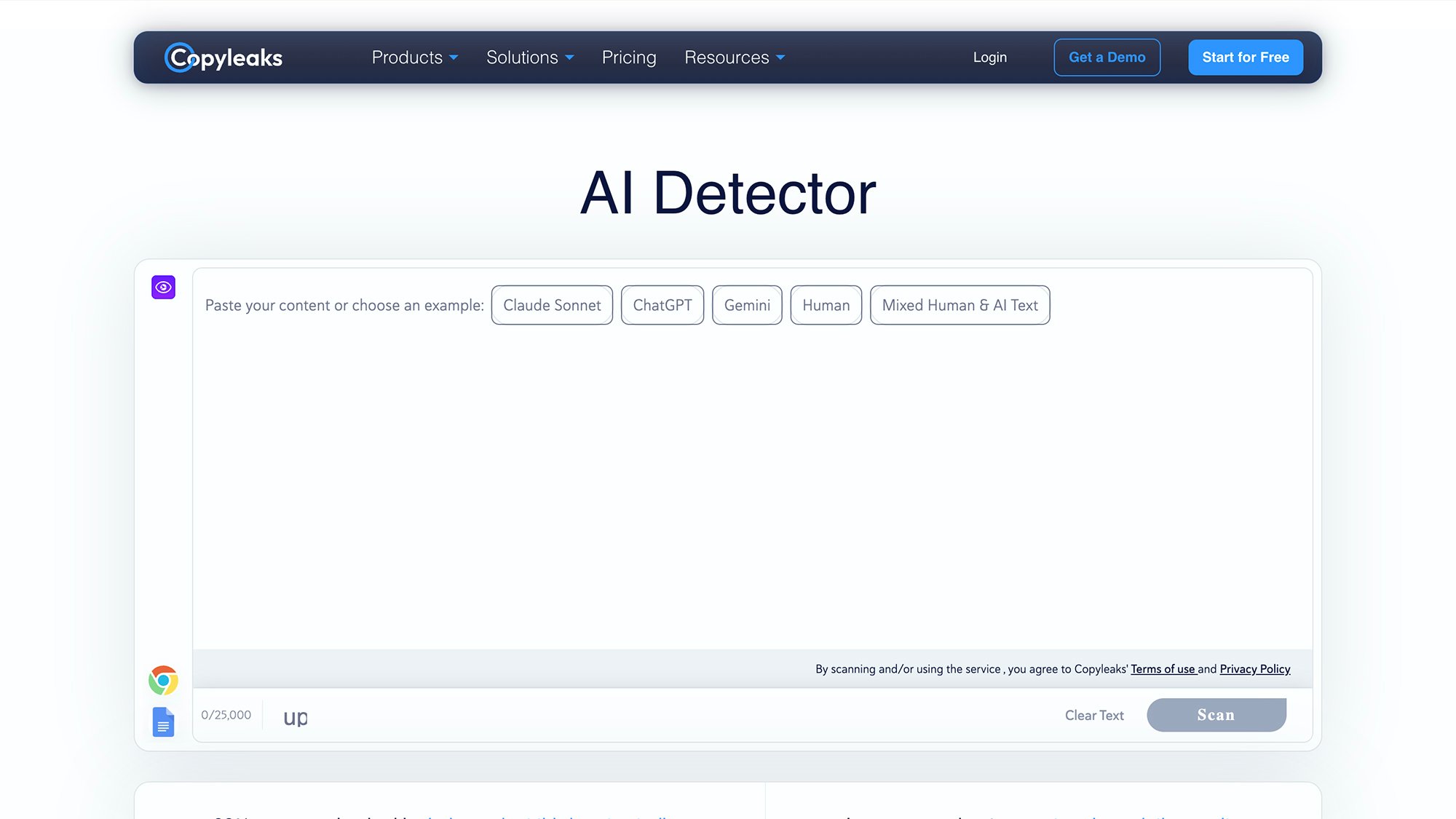
Copyleaks, which also offers tools for detecting AI-generated images and videos, provided a mixed performance in this analysis. The platform allows for four free scans, with paid plans starting at $16.99 per month for more detailed reports and additional features. Similar to the other tools, Copyleaks correctly identified the author’s human-written samples as 100 percent AI-free, reinforcing the idea that discerning human writing remains a strength across most detectors.
The results for AI-generated content were inconsistent. The sample from Claude was incorrectly assessed as 0 percent AI-written, while the Gemini sample was flagged as 100 percent AI-written. This resulted in Copyleaks achieving a 3 out of 4 correct classification rate. Like Scribbr, Copyleaks demonstrated a potential calibration issue in its AI detection, leading to discrepancies in its assessment of AI-generated text. This variability suggests that while Copyleaks can be partially effective, its reliability may depend on the specific AI model and the nuances of the text.
The Verdict: A Developing Landscape
The comprehensive testing of these AI detection tools reveals a landscape that is both promising and still in development. A key takeaway is that most of these detectors are remarkably adept at identifying text written by humans. In every instance across all tested tools, human-authored content was accurately classified as such. This suggests that the unique stylistic fingerprints and inherent variations of human writing are more readily discernible than the often-uniform patterns of AI generation.
However, the accuracy in detecting AI-generated text proved to be more variable, with performance differing significantly between the tested tools. While Pangram and GPTZero demonstrated high levels of accuracy, correctly identifying all AI-generated samples, Grammarly showed strong performance with some ambiguity, and Scribbr and Copyleaks exhibited notable inconsistencies. This variability underscores the challenge of creating a universally perfect AI detector, as AI models themselves are constantly evolving and improving.
For individuals seeking to identify AI-generated content, a multi-tool approach appears to be the most prudent strategy. Relying on a single detector might lead to false positives or negatives. Employing two or three different checkers in tandem, and ideally utilizing tiers that offer detailed reasoning behind their assessments, could provide a more robust and reliable conclusion. Furthermore, it is crucial to remember that these tools are aids, not definitive arbiters. Human judgment, contextual understanding, and a critical eye remain indispensable in evaluating the authenticity of any written work.
The implications of AI detection are far-reaching. In academia, educators may need to integrate AI detection into their assessment strategies while also focusing on pedagogical approaches that encourage original thought and critical engagement with AI tools. In the professional world, businesses may leverage these detectors to ensure content originality and maintain brand integrity. As AI technology continues its rapid advancement, the cat-and-mouse game between AI generation and AI detection will undoubtedly persist, demanding continuous innovation and adaptation from both developers and users alike. The quest for perfect AI detection remains ongoing, but current tools offer a valuable, albeit imperfect, glimpse into the evolving relationship between human and artificial intelligence in the realm of written communication.

