
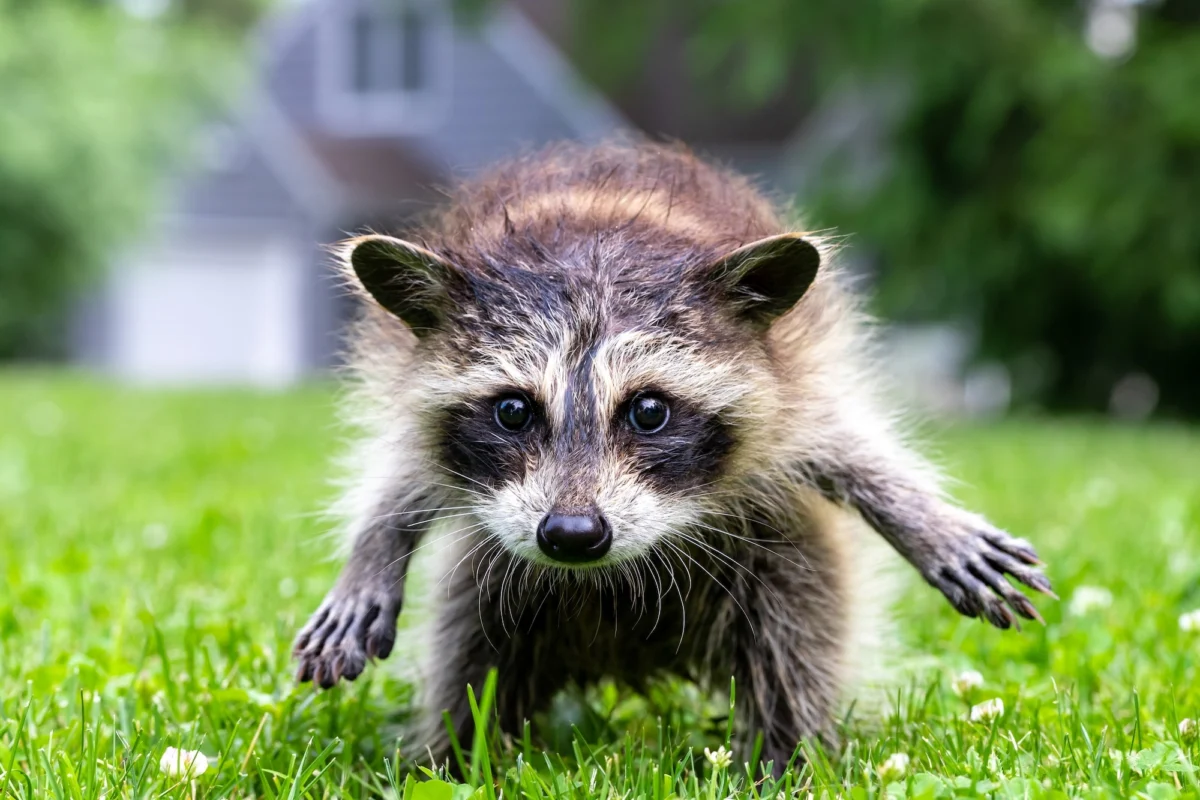
Seattle’s newest folk hero, a raccoon affectionately nicknamed Jimothy, has captured the internet’s attention and millions of views with his uniquely compact and adorably round physique. This viral sensation, whose image has inspired fan art, tattoos, and even a popular meme, "Hot Jimothy Summer," is more than just a cute masked bandit. His distinctive appearance is attributed to a rare genetic condition known as short spine syndrome, a phenomenon that prompts scientific curiosity and raises questions about the resilience of wildlife.
The story of Jimothy began when he was first spotted near a Goodwill store in Ballard, Washington. Kiana Hall, the Seattle resident whose video initially introduced the raccoon to the public, recounted her surprise. "I initially thought I saw a cat under a car and wanted to have a closer look," Hall told Popular Science. "Then realized it wasn’t the shape of a cat at all." Upon closer inspection, Hall recognized the telltale markings of a raccoon. The origin of his now-famous name is as simple as Hall’s initial impression: "He just looked like a Jimothy to me."
Online, Jimothy’s unusual form has drawn comparisons to mythical creatures, with some users likening him to cryptids such as Bigfoot or the chupacabra, further cementing his status as an internet phenomenon. However, beyond the novelty and endearing charm, Jimothy’s fame brings to light important scientific questions. What exactly is short spine syndrome? Why is it so rarely documented in wild animals? And what are the long-term implications for Jimothy’s health and well-being?
Understanding Short Spine Syndrome: A Genetic Anomaly
Short spine syndrome is a rare genetic disorder that affects the development of an animal’s vertebral column. According to Julian D. Avery, an ecologist at Penn State University, the condition is caused by a faulty recessive gene. This means that an animal must inherit two copies of this gene, one from each parent, for the syndrome to manifest. "The odds of putting two individuals together that have it are generally pretty rare," Avery explained, "and probably rare in part because the animals with this condition will have significantly more challenges than a normally formed animal would have in any kind of context."
The syndrome disrupts the normal process of spinal development, resulting in a shortened, compressed, or fused set of vertebrae. Avery likens the typical development of a spine to creating a long tube of dough and then pinching it at regular intervals to form distinct segments, representing individual vertebrae. "That does not unfold properly in animals that have these faulty genes," he stated.
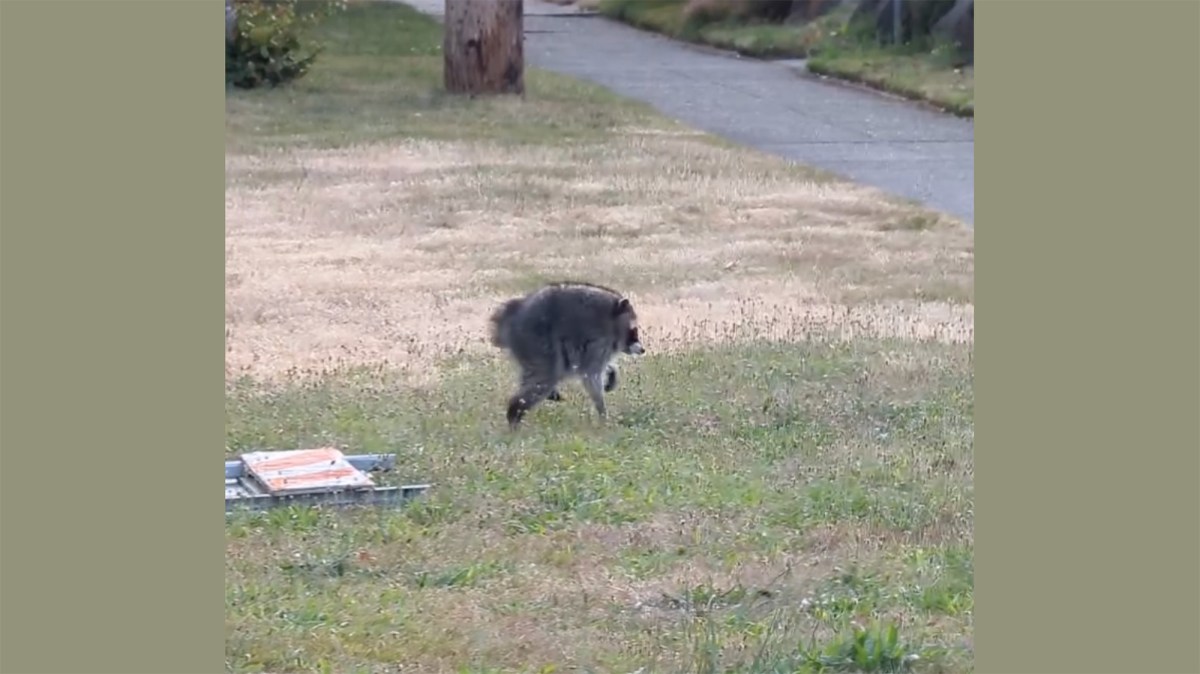
The inherent difficulties faced by animals with short spine syndrome likely contribute to the scarcity of documented cases in the wild. Surviving and thriving with such a condition requires remarkable resilience. Jimothy, however, appears to be an exceptional case. "He seems to have made it through this developmental process in a way that allows him to be pretty successful," Avery observed. The ecologist also noted that the sex of the raccoon remains unknown, referring to the animal as "he or she."
Jimothy’s Outlook: Resilience Amidst Rarity
Despite his unusual morphology, the prognosis for Jimothy’s health appears cautiously optimistic. Avery emphasized that short spine syndrome generally does not impact an animal’s brain function or internal organs. "There’s no reason to think the lungs are compromised or the brain is compromised," he said. "I would expect that Jimothy would have a normal life."
Evidence from Jimothy’s viral videos, which show him actively foraging, climbing, and moving with apparent ease, supports this hopeful outlook. Raccoons, as a species, are known for their remarkable adaptability. "Raccoons are crazy resourceful," Avery commented. "They’re one of those species that is generalized enough that they can make a go in many kinds of situations and be successful." This inherent adaptability is a crucial factor in Jimothy’s ability to navigate his environment despite his physical differences.
However, Avery pointed out a more significant threat to Jimothy’s well-being than his genetic condition: human interaction. "When people start feeding wild animals, then they start hanging around in unsafe ways," he warned. Animals that become habituated to human presence lose their natural wariness of dangers such as traffic and may become targets for removal by wildlife officials. "They’re not wary enough of those threats coming at them, and then they suffer," Avery elaborated.
The lifespan of raccoons in the wild typically ranges up to three years, though they can live significantly longer, up to 20 years, in captivity. Jimothy’s future will likely depend on maintaining a healthy distance from human intervention, allowing him to continue his life as a wild animal.
The Human Element: Admiration and Conservation
The public’s fascination with Jimothy highlights a broader opportunity to foster a deeper connection with the natural world. Avery advocates for a hands-off approach when it comes to wild animals, emphasizing the importance of allowing natural variation within populations. "I’m always on the side of letting wild animals run their course," he stated.
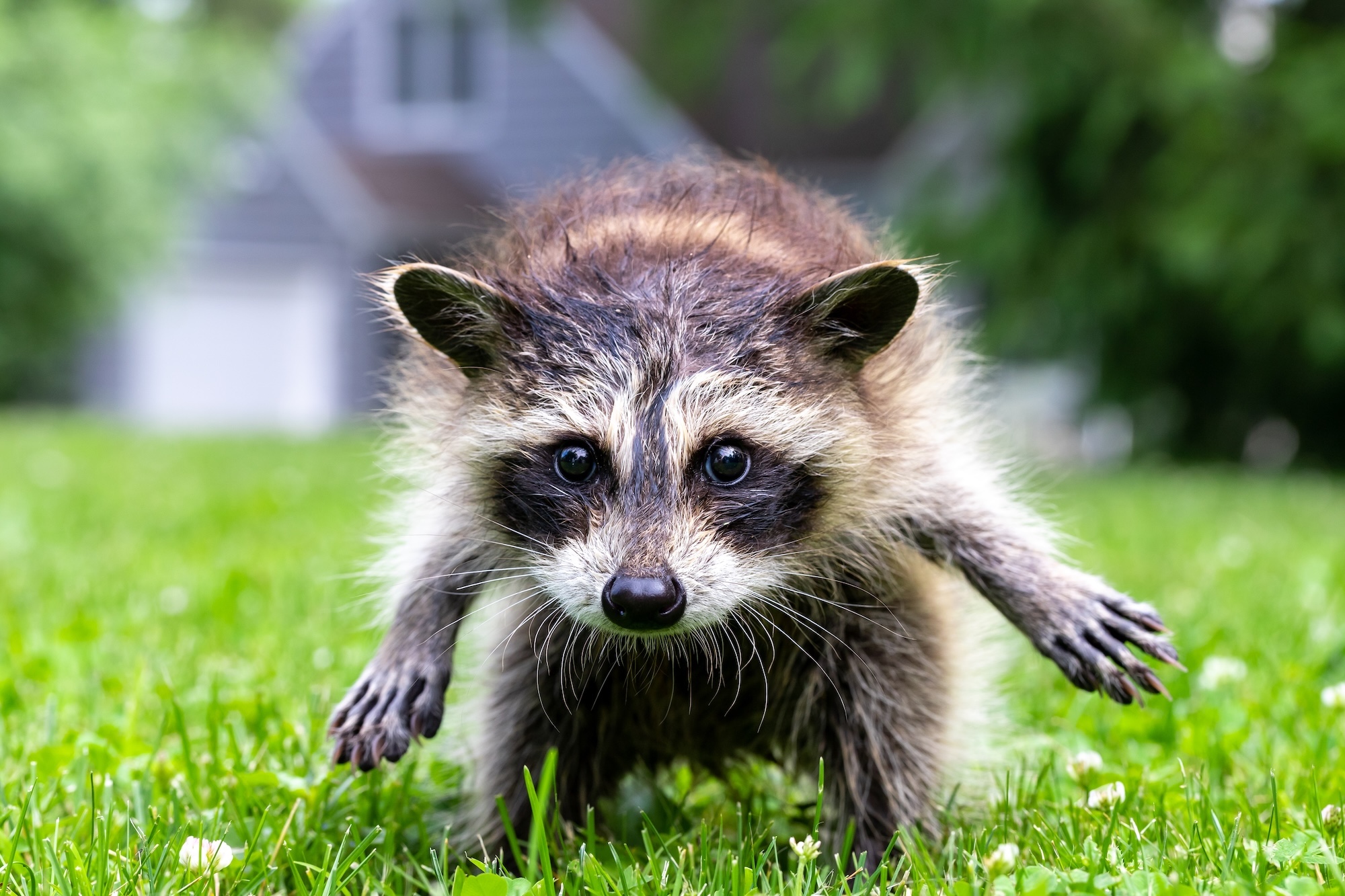
However, this does not preclude respectful observation. "If more people are going to see Jimothy and doing so at a respectful distance, that’s awesome," Avery said. "That’s more people that have seen a raccoon and are then going to get hooked on wanting to see a porcupine or robins nesting in their shrubs. Those sorts of things really get people invested and caring about what’s going wrong in the world around us."
The Washington Department of Fish and Wildlife echoes this sentiment, advising the public to leave Jimothy undisturbed. A spokesperson for the agency stated, "We do encourage folks to leave the animal alone as it does appear to be getting around fine, unassisted, with the apparent congenital defect."
Jimothy’s popularity has even extended to the civic sphere. On July 26, Seattle City Councilmember Alexis Mercedes Rinck plans to present an official proclamation in Jimothy’s honor, declaring it "Jimothy Summer" and organizing a community art competition. This recognition underscores the positive impact Jimothy has had, bringing joy and a sense of wonder to many.
Kiana Hall, the woman who first shared Jimothy’s story, expressed her simple hope: "It has been so fun watching Jimothy bring some joy and silliness to the world, and I hope this encourages people to go out for walks in their neighborhood and observe the wildlife around them." Her wish resonates with the potential for Jimothy’s story to inspire greater appreciation for the diverse and often surprising wildlife that inhabits our urban and suburban landscapes.
As Jimothy continues to navigate his life, his story serves as a poignant reminder of the wonders of nature, the resilience of life, and the importance of observing the wild world with both fascination and a deep respect for its inherent autonomy. His viral fame, while entertaining, also carries an educational undertone, prompting a closer look at rare genetic conditions and the delicate balance of ecosystems that allow unique creatures like Jimothy to not only survive but to capture the hearts of millions. The ongoing "Jimothy Summer" celebrations are a testament to the power of a single, extraordinary animal to unite people and foster a renewed sense of curiosity and care for the natural world.

