
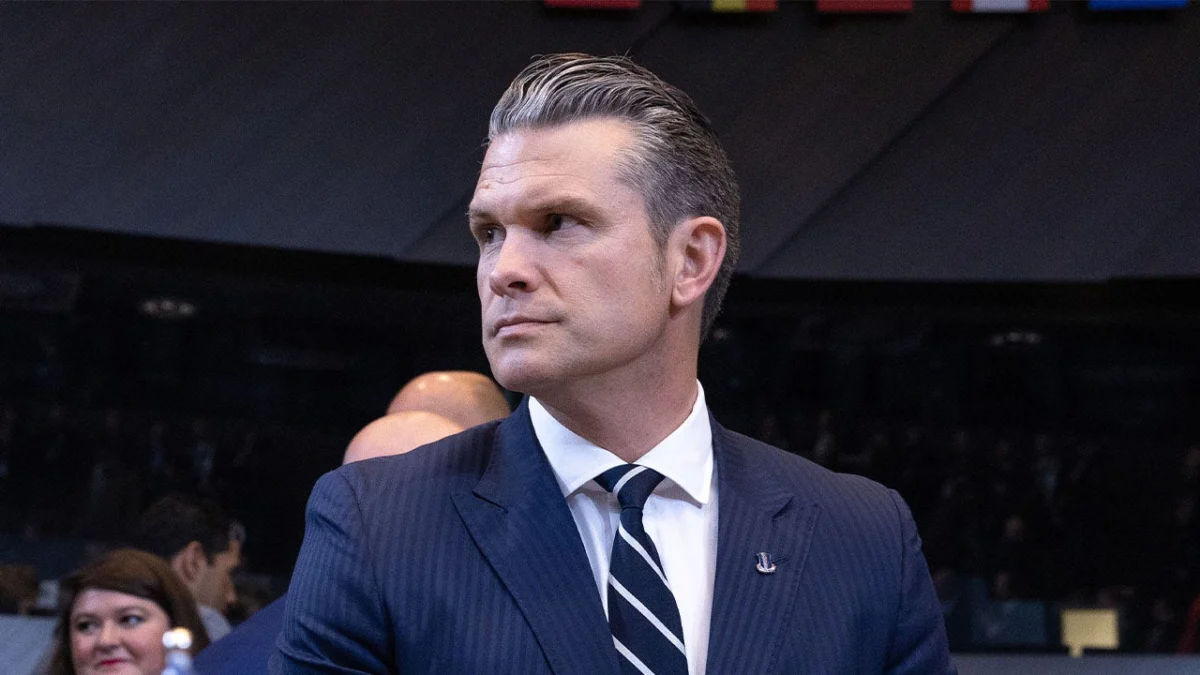
President Donald Trump offered a public vote of confidence for Secretary of War Pete Hegseth this Wednesday, dismissing widespread speculation regarding the Pentagon chief’s future in the wake of significant Republican losses in the midterm elections. When pressed by reporters on whether he was considering a cabinet reshuffle that might include the departure of the embattled Secretary, the President stated definitively that he believes Hegseth is performing a very good job.
The President’s endorsement arrives at a precarious time for the administration. Tuesday’s midterm results saw the Democratic Party secure majorities in both the House of Representatives and the Senate, a shift that promises to fundamentally alter the legislative landscape of Capitol Hill when the new Congress convenes in January. The transition of power has emboldened critics of the current administration, many of whom have pointed to the ongoing Iran war as a primary catalyst for the GOP’s electoral performance.
A Tenure Defined by Conflict and Controversy
Pete Hegseth’s tenure as Secretary of War has been characterized by a radical departure from traditional Pentagon policy, both in terms of operational strategy and internal personnel management. A former television personality, Hegseth arrived at the Department of War with a mandate to reshape the military’s institutional culture. His initiatives have included the formal prohibition of transgender individuals serving in the armed forces, the systematic dismantling of Diversity, Equity, and Inclusion (DEI) programs, and the implementation of rigorous, gender-neutral combat fitness standards.
Beyond cultural reforms, Hegseth oversaw an aggressive administrative overhaul. He prioritized the consolidation of Army commands, significant reductions in senior military leadership, and a heavy investment in artificial intelligence and next-generation weapons systems. While supporters view these actions as necessary steps to modernize the military, his tenure has been punctuated by persistent administrative friction. Internal reports suggest a culture of leaks and high turnover, culminating in the firing of several top-tier aides. Furthermore, a high-profile security lapse occurred when sensitive details regarding planned strikes against Houthi militants were inadvertently shared in a messaging application that included a journalist, triggering intense scrutiny of his operational security protocols.
The Shadow of the Iran War
The central pillar of the current political crisis surrounding Hegseth is the ongoing military campaign against Iran. Initially projected by the White House to conclude within a three-to-four-week window, the conflict has dragged on, resulting in significant economic fallout and sustained political volatility.
In March, Hegseth famously characterized the conflict as the United States delivering "our retribution" against Tehran. However, as the conflict transitioned from a targeted response to a prolonged military engagement, the domestic political cost began to mount. White House officials have acknowledged that the midterm election results were heavily influenced by voter anxiety regarding the war’s economic impact and its lack of a clear, definitive resolution.
While the intensity of sustained U.S. strikes has diminished, the situation remains fluid. Tehran’s nuclear and missile development programs continue to advance, leaving the administration to weigh the risks of further military escalation against the necessity of stabilizing its domestic political position. Sources within the administration have indicated that the White House is actively considering renewed military operations, a move that would require a steady hand at the Pentagon.
The Legislative Lame Duck and Impeachment Threats
The transition period—often called the "lame duck" session—is shaping up to be a volatile time for the administration. Representative Thomas Massie, R-Ky., has introduced multiple articles of impeachment against Hegseth, vowing to force a vote before the end of the year. This move has placed vulnerable Republican lawmakers, particularly those eyeing re-election in 2028, in a difficult position. Should the vote reach the floor, these members will be forced to choose between loyalty to the Trump administration and the political fallout of defending a controversial cabinet member.
Democratic leaders have also signaled their intent to make Hegseth a primary target in the upcoming Congress. House Minority Leader Hakeem Jeffries has publicly stated that Democrats intend to pursue a rigorous oversight agenda, with some members calling for comprehensive investigations into the origins and conduct of the Iran war. This looming threat of congressional subpoenas and investigative hearings has led to increased speculation that the President might eventually be forced to sacrifice Hegseth to mitigate political damage, despite his current public support.

Historical Precedents and Administrative Dynamics
The current situation bears a striking resemblance to the political climate of 2006. On November 8 of that year, then-President George W. Bush announced the resignation of Defense Secretary Donald Rumsfeld, just one day after a sweeping midterm defeat for the Republican Party. Like the current situation, the 2006 decision was largely driven by public outcry over an unpopular, protracted conflict in the Middle East.
Political analysts suggest that while Trump is known for his loyalty to his appointees, his decision-making process is notoriously unpredictable. An administration source noted that "Trump can turn on a dime," suggesting that even with a public endorsement, the Secretary’s position remains precarious. The emergence of Treasury Secretary Scott Bessent as a key player in the administration’s Iran strategy—particularly through his leadership of the sanctions-heavy "Operation Economic Outcast"—has led some observers to speculate that a potential successor is already gaining favor within the West Wing.
Official Pentagon Stance
Despite the swirling rumors and political pressure, the Department of War maintains a posture of unwavering resolve. Chief Pentagon spokesperson Sean Parnell issued a statement on Tuesday affirming that Hegseth remains fully committed to his duties.
"Secretary Hegseth will not back down or be deterred by politicians seeking to score partisan points or launch phony investigations where no wrongdoing exists," Parnell stated. He further emphasized that the Department has operated strictly within the confines of the law and that the Secretary continues to focus on supporting the troops and defending the Constitution. The statement framed the legislative push against the Secretary as a "sham witch hunt," characterizing the opposition as partisan actors attempting to undermine the President’s national security agenda.
Analytical Implications
The survival of Pete Hegseth in his current role is likely dependent on two competing factors: the President’s desire to maintain a "disruptor" in the Pentagon and the Republican Party’s need to distance itself from the political liabilities of the Iran war.

If the administration opts to maintain the current course, they are signaling a willingness to absorb further political damage in exchange for total control over military policy. However, if the economic fallout from the war continues to depress domestic support, the cost of keeping Hegseth may eventually exceed the benefits of his disruptive leadership style.
As the calendar turns toward January, the Pentagon will remain at the epicenter of both national security policy and domestic political infighting. Whether Hegseth emerges as a long-term architect of the Trump military doctrine or becomes the first casualty of the new congressional reality remains one of the most significant questions facing the administration. For now, the President has drawn a line in the sand, but in the fast-moving environment of Washington, D.C., that line remains subject to the shifting tides of political necessity and public perception.

