
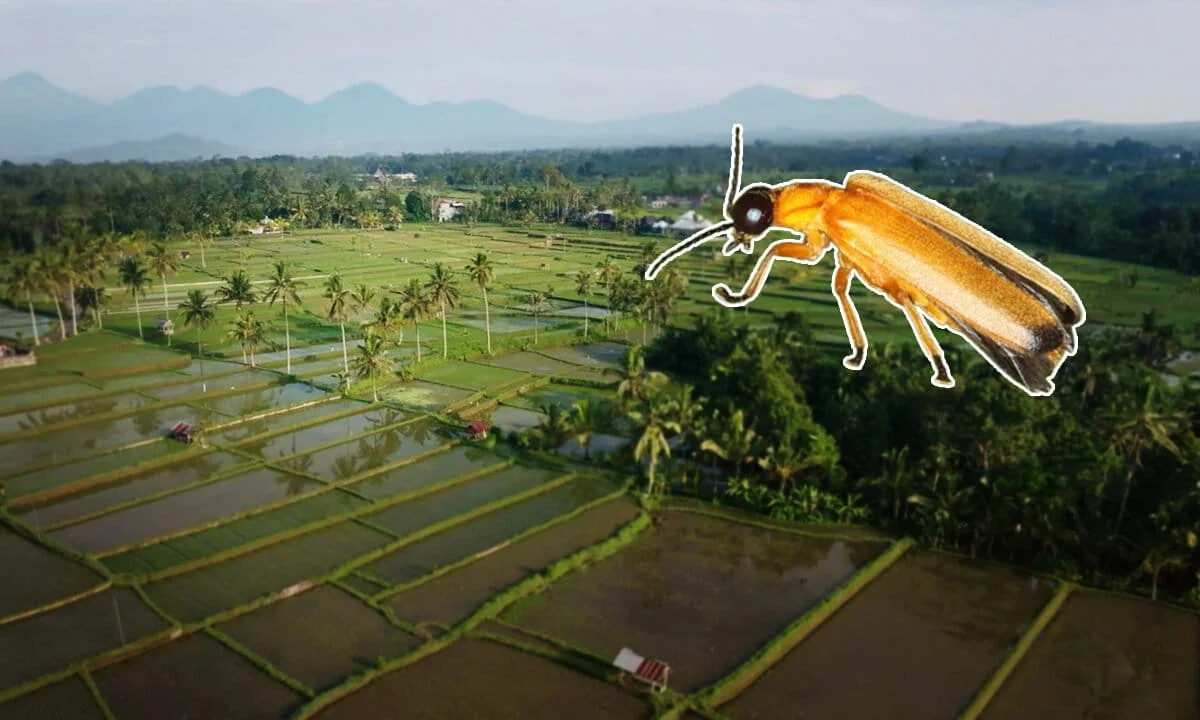
Forty years ago, the night skies of rural Bali were illuminated by the rhythmic, bioluminescent pulsing of countless fireflies. For residents like Wayan Wardika, these insects were a staple of childhood, a living lantern that defined the Balinese landscape. However, as the island underwent rapid modernization and industrial agricultural expansion, the darkness that fireflies require to communicate and mate began to fade, replaced by the relentless glow of urban development and the sterile silence of chemical-treated farmlands. Today, Wardika is leading a pioneering effort to reverse this trend through "Bring Back the Light," an initiative that blends scientific rigor with community-based agricultural reform to restore the island’s delicate ecological balance.
The Ecological Significance of the Lampyridae
Fireflies, members of the family Lampyridae, are far more than aesthetic symbols of the night. Ecologically, they serve as vital indicators of environmental health. Their presence—or absence—is a direct reflection of the quality of soil, water, and air within a given ecosystem. Because fireflies are hyper-sensitive to pollutants, their disappearance often signals a broader collapse of biodiversity in an area.
Beyond their status as "sentinels of the ecosystem," fireflies provide tangible agricultural benefits. Certain species of firefly larvae are specialized predators of snails and slugs, which are notorious for destroying rice crops. By acting as natural pest control, fireflies reduce the dependency on synthetic pesticides that degrade soil health and contaminate local waterways. Furthermore, they contribute to the pollination of various native plant species, supporting the structural integrity of the local flora.
A Chronology of Decline and Restoration
The decline of firefly populations in Southeast Asia is not an isolated event but a symptomatic result of human-induced environmental stressors. Research suggests that at least four species of fireflies in the region are currently hovering on the brink of extinction.
The timeline of this crisis in Bali roughly tracks with the island’s tourism boom and the subsequent intensification of agriculture starting in the late 1990s. As traditional farming methods were replaced by chemical-intensive agriculture to meet the demands of a growing population and tourism sector, the natural habitats—forest edges, damp stream banks, and unpolluted rice paddies—were systematically compromised.
In 2020, recognizing the silent disappearance of these insects, Wayan Wardika established "Bring Back the Light." This initiative marked the first organized, science-led firefly conservation program in Indonesia. The program began with a modest laboratory set up on the family farm, where Wardika and a team of biologists began the painstaking process of ex-situ breeding. The project involves a multi-stage life cycle management approach: collecting eggs, nurturing larvae through a two-year maturation process, and monitoring pupation before releasing the adult fireflies into rehabilitated environments. To date, the program has successfully released approximately 20,000 firefly specimens back into the Balinese wild.
The Science of Regeneration: From Waste to Wetland
Wardika’s approach to conservation has evolved from simple population supplementation to comprehensive ecosystem restoration. He identified that releasing fireflies into a degraded environment was an exercise in futility; without a healthy habitat, the insects could not survive to breed the next generation.
The strategy shifted toward a "circular ecosystem" model. Central to this is the conversion of farm waste into high-quality organic inputs. By collecting manure from the "holy white cow" conservation herds—a culturally significant animal in Bali—the team produces nutrient-rich compost. This compost replaces the chemical fertilizers that were previously leaching nitrogen and phosphorous into the soil, creating toxic environments for the firefly larvae that live in the earth.
Simultaneously, the team has implemented the use of "eco-enzymes." By collecting food waste and discarded fruit from local markets, they ferment a biological concoction that serves as a natural, non-toxic pesticide. This mixture deters crop-damaging pests while providing essential nutrients to the soil. These innovations are being applied on Wardika’s organic model farm, which serves as a living demonstration for neighboring farmers.
Economic Hurdles and Behavioral Change
Transitioning local agriculture from chemical reliance to organic practices is perhaps the most significant challenge facing the initiative. Many farmers in Bali operate on thin margins and are understandably hesitant to abandon the predictable, albeit harmful, results of synthetic chemicals.
Wardika’s strategy to overcome this resistance is rooted in economic pragmatism. He posits that if he can improve the farmers’ livelihoods, their environmental habits will follow. "First I was trying to touch their hearts," Wardika explains. "Now I’m in reverse. I have to fill up the pockets, then we change the hearts."
To mitigate the risks associated with the transition to organic farming, "Bring Back the Light" provides organic fertilizers and pesticides to local farmers free of charge. More importantly, the program offers a financial safety net, compensating farmers for any yield losses experienced during the initial transition period. This funding is generated through a hybrid revenue model, combining income from firefly-focused ecotourism with the sale of high-value organic produce grown on the program’s demonstration farms.
Currently, four local farmers have integrated into this scheme, with Wardika aiming to scale the program to include 35 farmers in the immediate vicinity. The goal is to create a pesticide-free zone that is large enough to sustain a self-propagating population of fireflies.
Implications and Future Outlook
The implications of the "Bring Back the Light" initiative extend far beyond the conservation of a single insect family. The project serves as a microcosm for the global struggle to reconcile economic development with environmental stewardship. In Southeast Asia, where rapid urbanization continues to threaten endemic species, Wardika’s work provides a replicable framework for community-led conservation.
Data from the project indicates that local firefly populations are slowly, yet steadily, increasing. However, experts warn that long-term success is contingent upon larger, systemic changes. Light pollution remains a critical concern; as residential and commercial lighting increases in rural areas, the ability of fireflies to engage in the bioluminescent signaling necessary for mating is hampered. Artificial light at night (ALAN) has been shown to disrupt the reproductive cycles of many nocturnal species, and addressing this will require policy-level interventions in zoning and lighting regulations.
The project also highlights the importance of traditional knowledge. By utilizing cow manure and organic waste, Wardika is essentially reviving traditional Balinese agricultural practices that were once harmonious with the island’s biodiversity. The integration of modern scientific monitoring with indigenous land-management practices offers a robust path forward for sustainable farming.
Ultimately, the mission is one of legacy. As Wardika notes, the responsibility to maintain the sustainability of nature is not merely for the current generation, but for those to come. The effort to bring back the fireflies is a campaign to preserve the cultural and natural heritage of Bali, ensuring that the next generation does not grow up in a world where the night is silent and empty.
As the project continues to gain traction, it invites broader questions about the role of the individual in global environmental crises. While the scale of climate change and habitat loss can seem insurmountable, the success of the "Bring Back the Light" initiative serves as a reminder that local, targeted, and persistent interventions can spark a ripple effect, moving communities toward a more sustainable future—one glowing insect at a time.

