
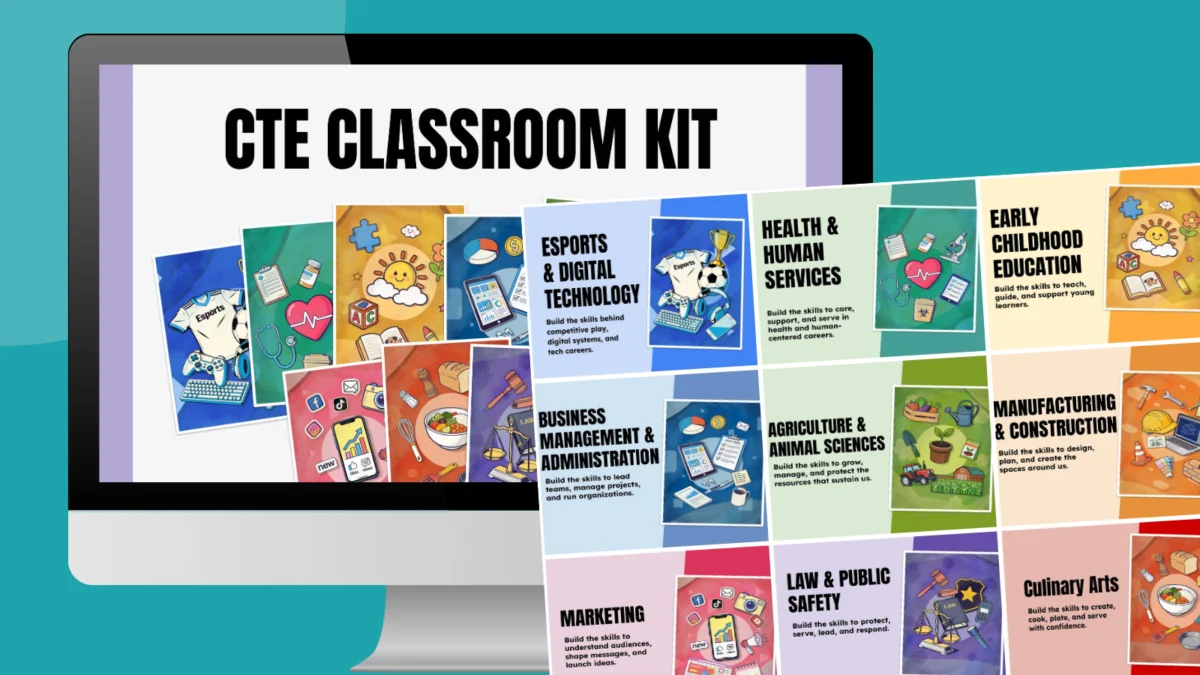
Career and Technical Education (CTE) has evolved from its historical perception as vocational training into a cornerstone of the modern American educational landscape, preparing students for high-demand, high-skill careers. However, the administrative burden placed on CTE instructors—who must balance industry-standard technical training with traditional pedagogical requirements—is significant. To address these operational challenges, We Are Teachers, in collaboration with Staples Business, has launched a suite of free, specialized Google Slides templates designed to streamline classroom management and lesson planning across nine distinct CTE pathways.
The Evolving Role of CTE in Secondary Education
The integration of CTE into secondary curricula has seen a marked resurgence over the last decade. Data from the Association for Career and Technical Education (ACTE) indicates that students who participate in CTE programs demonstrate higher graduation rates, improved post-secondary retention, and increased readiness for the workforce. Despite these positive outcomes, the logistical requirements for CTE teachers are substantial. Unlike general education subjects, CTE requires constant alignment with rapidly changing industry standards, the management of safety protocols, the coordination of work-based learning, and the integration of professional soft skills.
Teachers often find themselves struggling to synthesize these disparate requirements into a cohesive classroom experience. They must effectively communicate course expectations, manage complex project timelines, and illustrate the trajectory from classroom assignments to tangible career paths. The new initiative from We Are Teachers and Staples Business seeks to mitigate these pressures by providing a standardized, visually engaging digital infrastructure that teachers can adapt to their specific program needs.
Chronology of the Initiative
The development of these resources follows a multi-month period of collaboration aimed at identifying the most common "pain points" for CTE educators. Early in the academic planning cycle, the project team conducted surveys and consultations with industry-focused teachers to determine which subject areas were most underserved in terms of ready-to-use digital assets.
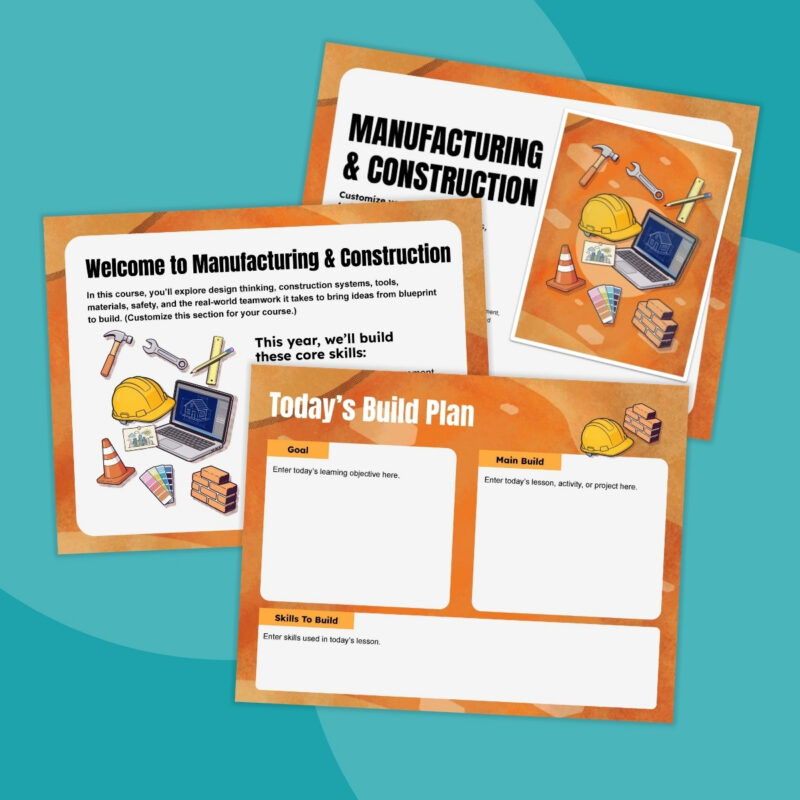
Following the identification of the nine priority pathways—ranging from Esports and Digital Technology to Law and Public Safety—designers and educational specialists spent several weeks drafting slide decks. Each kit was designed to meet the specific aesthetic and functional needs of its field. For instance, the kits for Manufacturing and Construction incorporate technical layouts suitable for shop-based instruction, while the Healthcare kits emphasize patient-client communication models. The project was officially released in time for the current academic term, providing instructors with immediate access to these digital tools for curriculum integration.
Breakdown of the Nine CTE Pathways
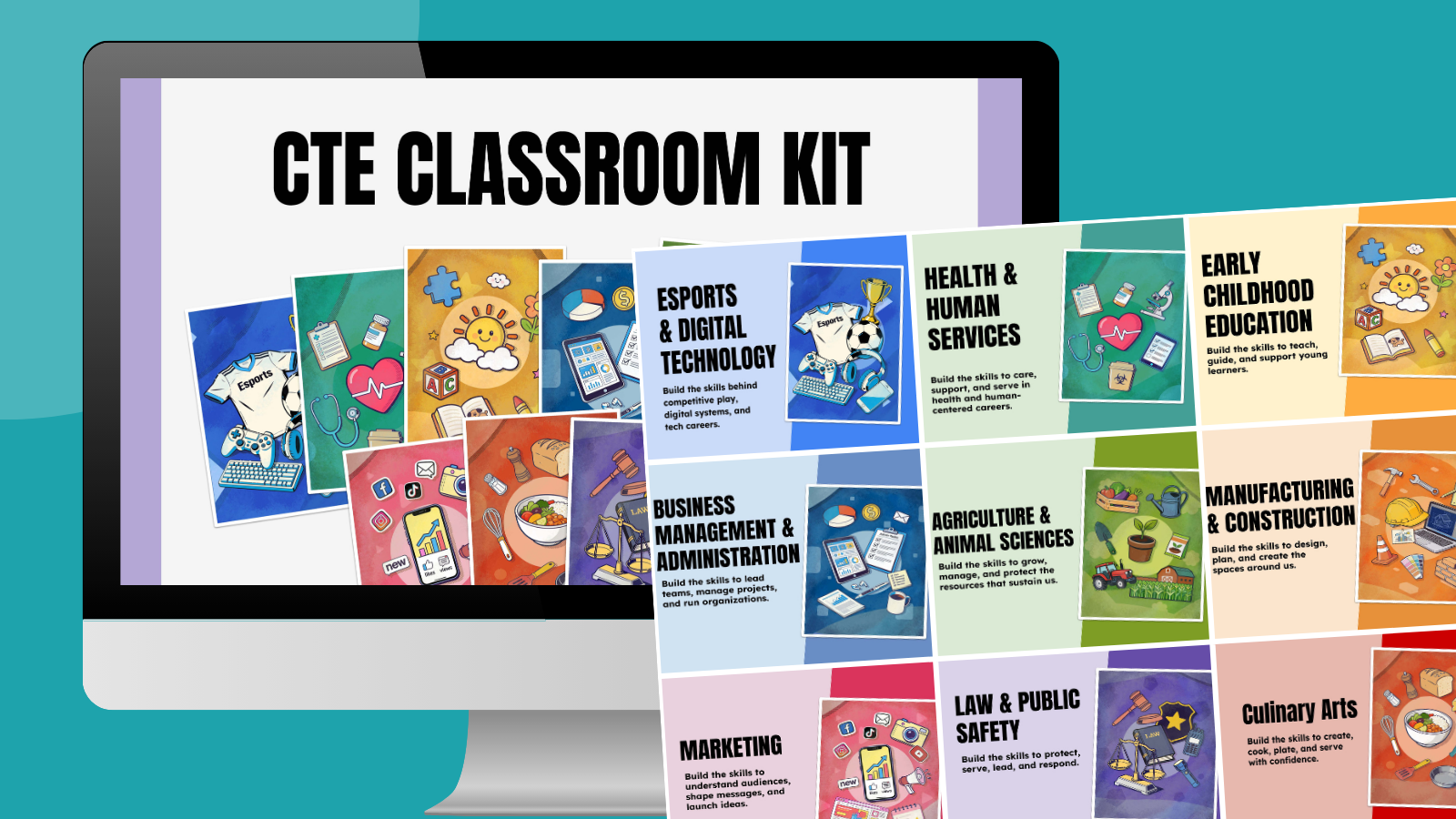
The kits provide comprehensive support for the following career pathways:
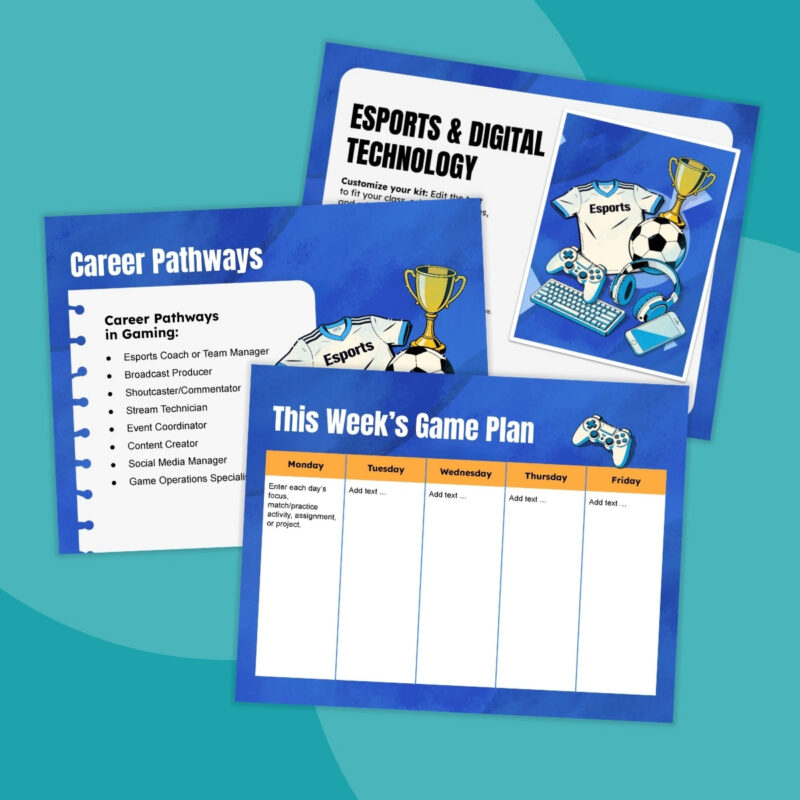
- Esports & Digital Technology: This kit provides a framework for instructors to cover complex topics such as competitive gaming mechanics, system architecture, media production, and team-based coding projects.
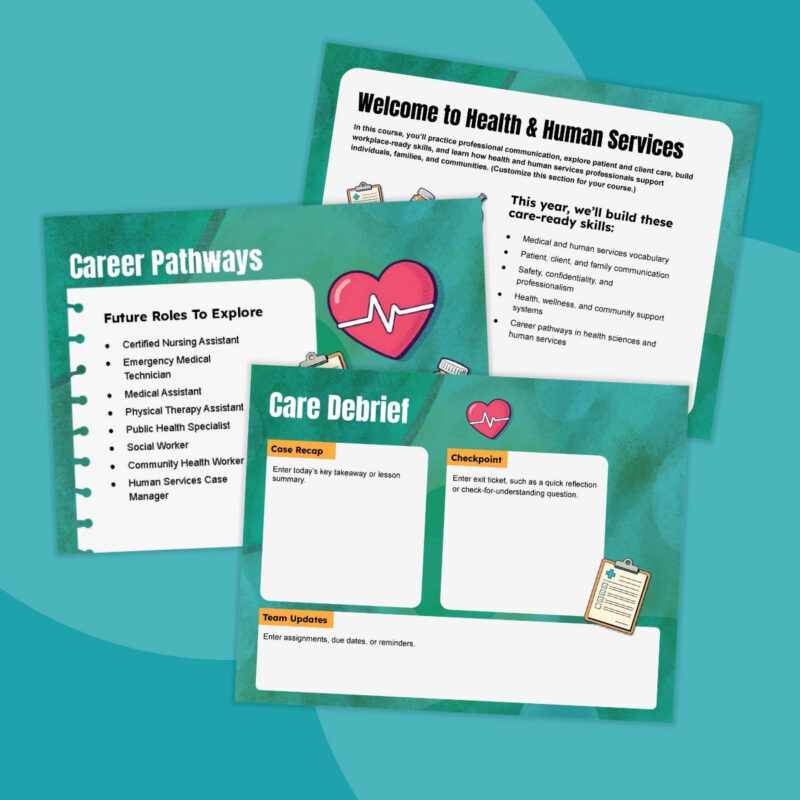
- Health & Human Services: Designed for clinical and care-based environments, these slides focus on patient safety, ethics, and the professional communication standards required in medical and social work environments.
- Early Childhood Education: These templates are structured to help students visualize child development milestones, pedagogical strategies, and the logistical demands of managing a classroom environment.
- Business Management & Administration: These resources emphasize leadership development, project management methodologies, and the nuances of professional workplace etiquette.
- Agriculture & Animal Services: These materials facilitate the organization of laboratory and field work, covering sustainability, natural resource management, and animal welfare protocols.
- Manufacturing & Construction: A focus on safety, technical measurement, and design-build logic is embedded into these slides, which are intended to bridge the gap between theoretical instruction and physical shop tasks.
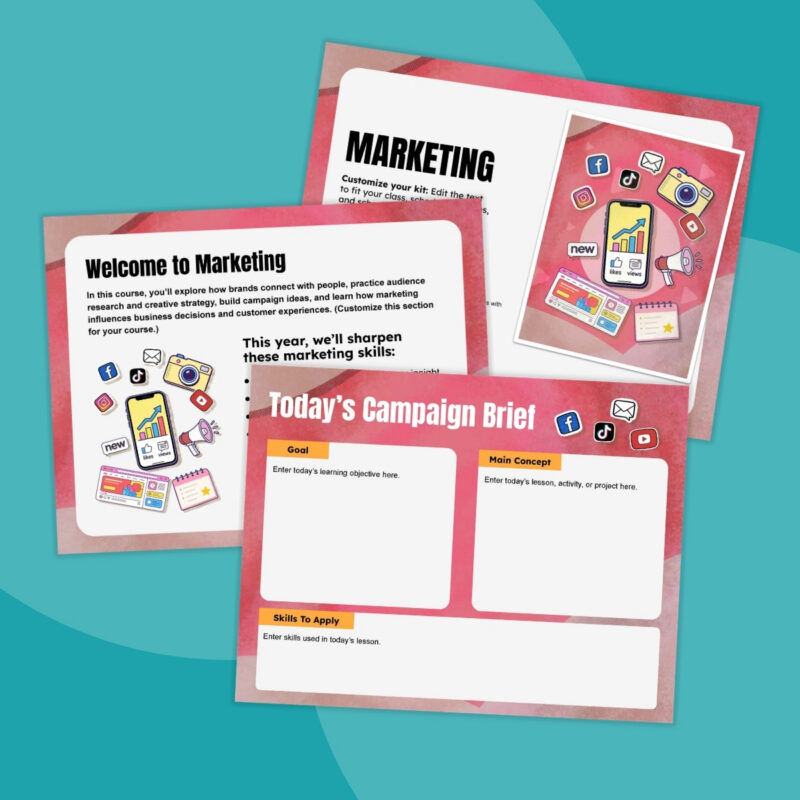
- Marketing: This kit guides students through the lifecycle of a marketing campaign, from audience research and branding to creative execution and performance analytics.
- Culinary Arts: These slides prioritize kitchen safety, food science, and the high-pressure environment of the food-service industry, emphasizing both artistic presentation and efficient production.
- Law & Public Safety: This curriculum framework focuses on constitutional law, emergency response procedures, and the ethical considerations inherent in public service.
Implications for Classroom Efficiency and Student Engagement
The primary objective behind the creation of these assets is the reduction of "administrative friction." When a teacher spends less time formatting presentations and designing visual aids, they have more time to devote to direct student mentorship and technical instruction.
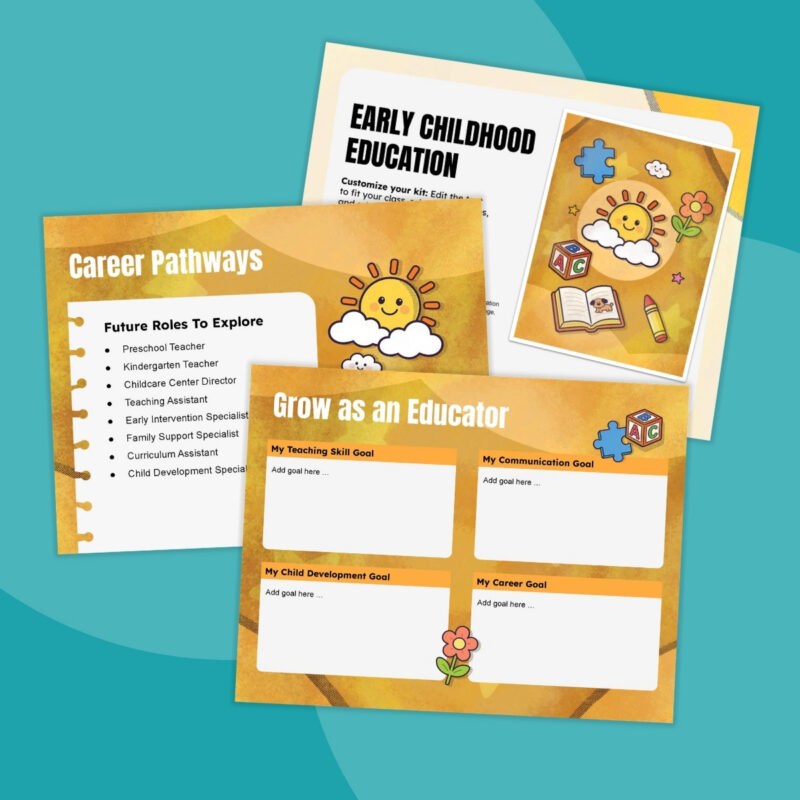
Furthermore, the integration of these templates into Google Classroom offers a standardized experience for students. By utilizing a uniform digital environment, students are better able to track their progress, access course expectations, and connect their daily lessons to the broader professional landscape. The inclusion of "career pathway" slides within each kit is particularly significant, as it provides a constant reminder of the "why" behind the coursework—a proven factor in increasing student motivation and long-term persistence in vocational programs.
Pedagogical Analysis: The Power of Visual Scaffolding
Educational researchers have long identified "scaffolding" as a vital component of successful learning environments. Scaffolding refers to the temporary support given to students to help them achieve a specific goal. In the context of CTE, these Google Slides serve as high-level visual scaffolds.
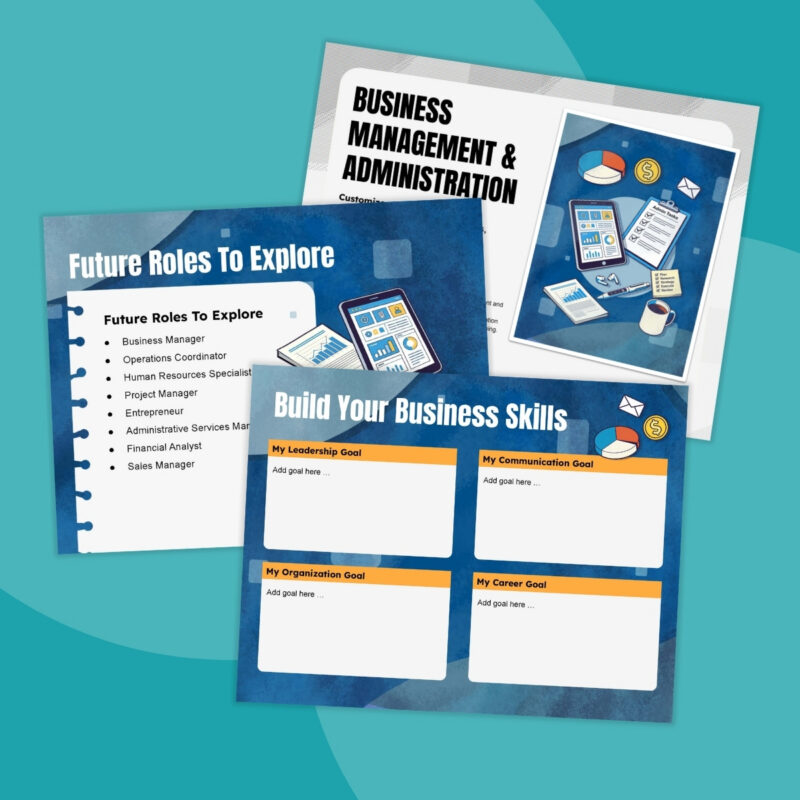
By providing a structured outline for lesson delivery, the slides ensure that key concepts—such as safety protocols in a construction shop or ethical decision-making in a law clinic—are not omitted during the instructional process. This consistency is essential in CTE, where the consequences of missing information can be significant, particularly regarding safety and certification standards.
Moreover, the digital nature of these tools allows for real-time collaboration. As the workforce evolves, teachers can update these templates in seconds, ensuring that their classroom content remains reflective of the most current industry trends. This agility is a key advantage of modern digital instruction over traditional, static textbooks.

Industry and Stakeholder Reactions
While official responses from specific school districts are currently emerging, early feedback from education technology advocates suggests that the initiative fills a critical void. Many CTE teachers enter the profession as subject matter experts from the field, rather than as traditionally trained educators. For these instructors, having access to pedagogically sound, pre-built templates can lower the barrier to entry for effective teaching.
"Teachers are the backbone of the workforce pipeline," stated a representative from the collaborative group. "By providing these tools, we are not just giving them slides; we are giving them back time—time that can be spent guiding students, refining projects, and fostering the next generation of skilled professionals."
Broader Impact on the CTE Ecosystem
The long-term impact of this project may be seen in the improved consistency of CTE programs across different districts. By utilizing high-quality, standardized templates, instructors can ensure that students are receiving a baseline of information that aligns with national career cluster standards.
Additionally, this initiative highlights the growing trend of public-private partnerships in education. When industry partners like Staples Business contribute to the development of classroom tools, they are signaling a vested interest in the quality of the future workforce. Such partnerships are increasingly vital as schools face the dual challenges of limited funding and the need for advanced technical equipment.
How to Implement These Resources
For educators looking to adopt these templates, the implementation process is intentionally straightforward. Once the user selects the kit relevant to their pathway, they can import the slides directly into their Google Drive. From there, the templates are fully editable, allowing for the insertion of specific project requirements, localized data, or school-specific branding.
The flexibility of the Google Slides platform ensures that these kits can be shared via Google Classroom, allowing students to access the materials asynchronously. This is particularly beneficial for programs that utilize a "flipped classroom" model, where students review theory at home and focus on technical practice during class time.
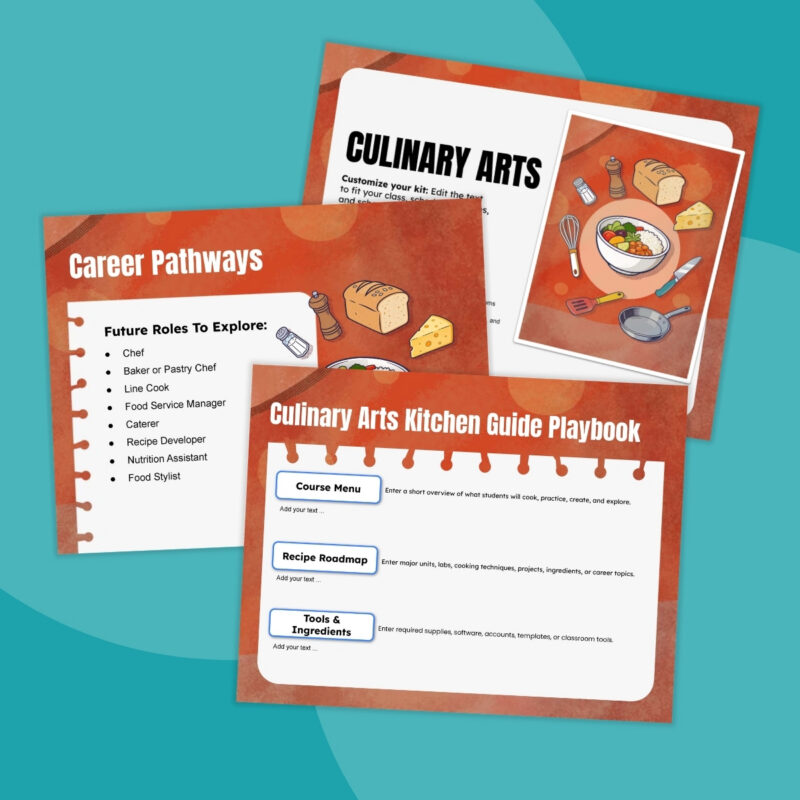
As the educational landscape continues to shift toward hybrid and digital-first models, the availability of these professional-grade, subject-specific resources marks a significant step forward. By lowering the administrative burden on teachers, schools can foster a more dynamic, responsive, and effective learning environment that empowers students to transition seamlessly from the classroom to the modern, global economy.
In conclusion, the partnership between We Are Teachers and Staples Business serves as a model for how educational support organizations can leverage technology to solve real-world logistical problems in the classroom. By providing the tools necessary for teachers to focus on their primary mission—instruction—these kits are likely to enhance both the quality of the CTE experience and the long-term success of the students enrolled in these critical programs.

