
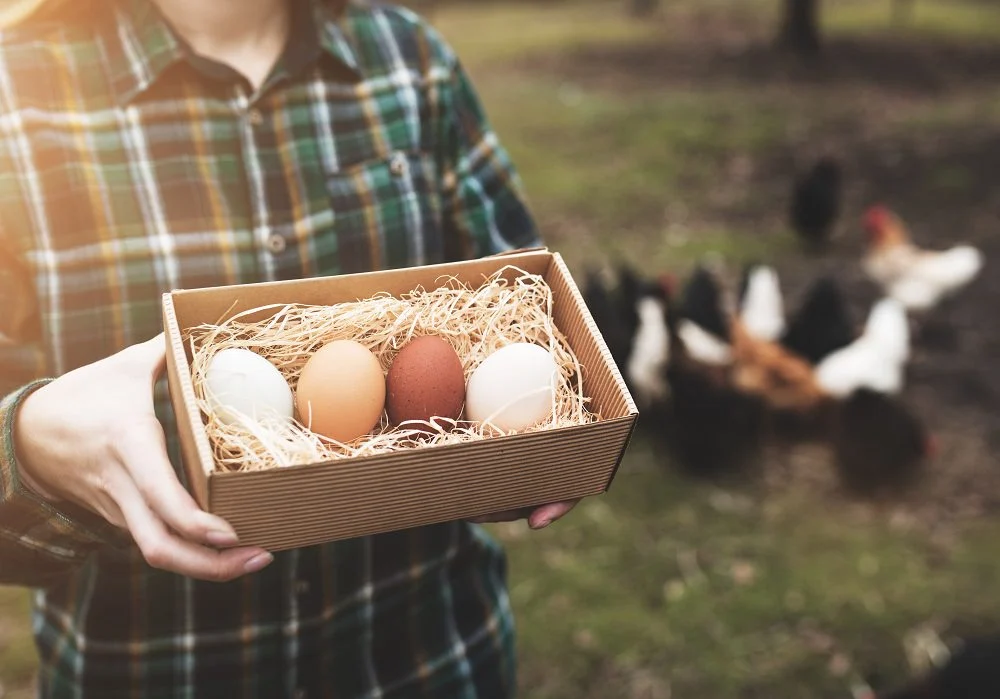
The economics of American backyard poultry underwent a dramatic reversal between the spring of 2025 and mid-2026. A dozen Grade A eggs, which peaked at a staggering $6.22 in March 2025 due to unprecedented supply chain disruptions, plummeted to an average of just $2.14 by June 2026. This sharp pricing pendulum explains the shifting behavior of millions of American households that turned to backyard henhouses over the previous two years. Driven by commercial shortages, soaring grocery bills, and widespread chick shortages, approximately 11 million U.S. households ultimately embraced poultry farming. However, as retail prices collapsed, the financial calculus flipped. Concurrently, the biological risks escalated significantly, highlighted by fatal human cases of H5N1 bird flu and widespread Salmonella outbreaks that sickened hundreds.
To understand the current state of backyard poultry in 2026, one must examine the macroeconomic factors, biosecurity challenges, and municipal regulations that govern contemporary small-scale farming.
The Price Signals and Chronology of the Egg Market Crisis
The foundation of the backyard chicken boom was built on consecutive years of historic retail price hikes. According to the United States Department of Agriculture’s (USDA) Economic Research Service, retail egg prices rose 32.2% in 2022, followed by a modest 1.4% increase in 2023, an 8.5% jump in 2024, and a punishing 21.9% surge in 2025.
The primary catalyst for this inflation was Highly Pathogenic Avian Influenza (HPAI). Since the devastating outbreak began in February 2022, the virus has impacted more than 166 million birds across both commercial facilities and backyard premises, decimating populations of chickens, turkeys, ducks, pheasants, and geese.
By the first quarter of 2026, however, the trajectory shifted. The USDA reported fewer new HPAI detections compared to the same period in 2025. Hatcheries and commercial producers successfully scaled up replacement pullets, ensuring robust inventories capable of handling routine flock turnover and unforeseen mortality. Consequently, retail egg prices in May 2026 were down 35.2% year-over-year. The Economic Research Service forecasted a steep 30.4% decline in retail prices for the full 2026 calendar year, with wholesale prices paid to farmers plummeting by an estimated 82.9%.
This market correction had an immediate impact on consumer behavior. The American Pet Products Association had previously recorded a doubling of backyard chicken keepers, surging from 5.8 million households in 2018 to roughly 11 million by January 2025. Feed stores faced unprecedented demand, selling out of chicks weeks ahead of traditional spring schedules, while commercial hatcheries reported order volume spikes of 80% or higher.
As market prices normalized through mid-2026, first-time hobbyists rapidly thinned out. Hatcheries observed that chick sales reverted primarily to established keepers replenishing existing flocks rather than speculative newcomers seeking refuge from inflation. Financial analysts note that investing in a backyard flock functions as a direct bet on egg-price volatility—a wager that decisively turned against new hobbyists in 2026.
Flock Economics: Crunching the Numbers in 2026
For prospective owners weighing the startup costs of a backyard setup against grocery store savings, modern agricultural data offers sobering insights. USDA projections estimated table egg availability at 21.5 dozen per person in 2025, rising to 22.9 dozen in 2026—roughly 260 to 275 eggs per capita annually.
While commercial laying hens averaged an astonishing 300 eggs per bird in 2025, backyard flocks rarely achieve such optimization. According to University of Minnesota Extension specialists, backyard hens typically begin laying at approximately six months of age and maintain productivity for five to ten years, with peak laying output concentrated in the first two years. During this prime window, owners can realistically expect 180 to 250 eggs per hen, followed by a steady decline and a seasonal winter production slump unless supplemental coop lighting is installed.
To evaluate whether a small flock makes financial sense, consider the baseline expenses of a typical six-hen backyard operation:
- Annual Flock Output: 90 to 125 dozen eggs (based on 180–250 eggs per hen per year during peak seasons).
- Value of Output at June 2026 Retail Averages ($2.14/dozen): $190 to $270.
- Value at Cage-Free Feature Prices ($2.65/dozen): $240 to $330.
- Value at March 2025 Peak Prices (~$6.22/dozen): $560 to $780.
- Annual Operating Costs (Feed, bedding, grit, supplies): $250 to $600.
- Initial Capital Expenditure (Coop, run, fencing, feeders, birds): $500 to $2,000.
When evaluated against June 2026 retail averages, a six-hen flock essentially covers its own feed costs in an optimal year but fails to amortize the initial capital investment of the coop and infrastructure. When compared against premium cage-free or organic eggs, the economic gap narrows. However, because feed, bedding, and veterinary expenses remain subject to inflationary pressures, agricultural economists emphasize that backyard flocks serve poorly as a hedge against general grocery inflation, though they can act as an effective hedge against sudden supply chain disruptions.
Furthermore, household ledgers frequently omit hidden operational costs. These include predator-proofing upgrades following raccoon incursions, unexpected veterinary care, boarding or pet-sitting services during vacations, and the financial and emotional management of geriatric hens living well past their productive laying years.
Municipal Codes and Regulatory Compliance
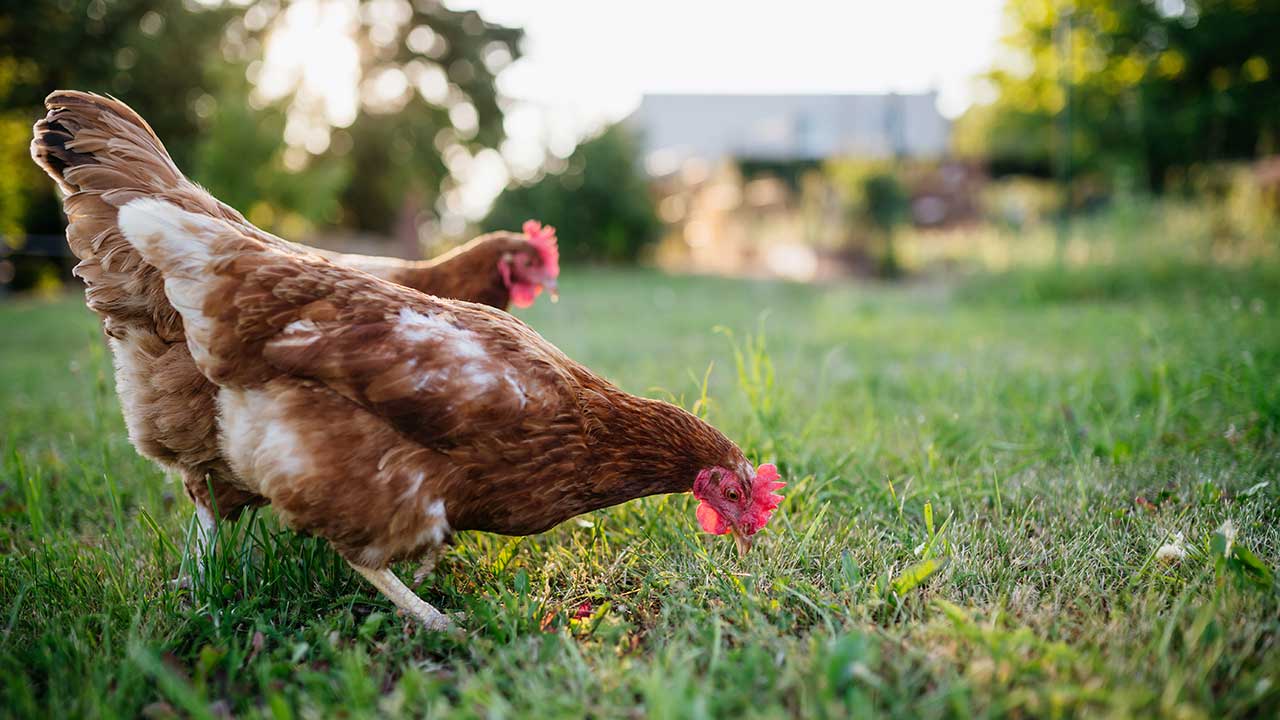
Before purchasing equipment or livestock, prospective owners must navigate complex local ordinances. Municipal regulations vary substantially and are subject to frequent legislative updates.
Urban and suburban flock caps typically range between four and eight hens, frequently scaled proportionally to total lot square footage. Roosters are overwhelmingly prohibited in residential zones due to noise complaints. Furthermore, municipal codes routinely mandate strict coop setbacks—requiring structures to be positioned 10 to 25 feet from property lines and occasionally 40 to 50 feet from neighboring residential dwellings. Permits, annual registration fees, rear-yard placement mandates, and strict prohibitions on on-site slaughter or commercial egg distribution are standard across most jurisdictions.
Homeowners Association (HOA) covenants frequently impose even stricter operational constraints and are enforced independently of municipal law. Conversely, several state legislatures have recently enacted preemption laws invalidating outright municipal bans on small hen flocks, underscoring the necessity for owners to review current local statutes rather than relying on outdated guidelines.
Public Health Hazards: Avian Influenza and Salmonella
Beyond the economic calculus, the biological risks associated with backyard poultry intensified markedly between 2024 and 2026. While wild birds remain the primary vector for Highly Pathogenic Avian Influenza (HPAI)—shedding the virus via droppings and contaminating shared water sources during seasonal migrations—humans can also inadvertently transport the pathogen on contaminated footwear, clothing, equipment, and vehicles.
The Centers for Disease Control and Prevention (CDC) reported 71 human cases of influenza A(H5) in the United States since March 2024. Among these, three cases occurred directly in backyard flock owners, tragically resulting in two fatalities—one in Louisiana in early 2025 and another in Washington State in November 2025. Although the CDC maintains that the baseline risk to the general public remains low, that assessment does not extend to individuals handling infected or deceased poultry without proper personal protective equipment (PPE).
A CDC survey of 638 backyard flock owners across 48 states, conducted between July and December 2025 and published in May 2026, revealed that while 94% of respondents had heard of avian influenza, significant knowledge gaps persisted regarding specific transmission dynamics and appropriate biosecurity protocols. Survey data conclusively demonstrated that owners with higher baseline knowledge were significantly more likely to utilize appropriate personal protective equipment when handling sick birds.
In response, the USDA’s "Defend the Flock" initiative emphasizes four foundational biosecurity habits:
- Keep visitors away and restrict access to the coop.
- Clean footwear, equipment, and vehicles rigorously.
- Practice safe sourcing by purchasing birds only from reputable, NPIP-certified hatcheries.
- Monitor flocks constantly for behavioral changes, respiratory distress, drops in egg production, or unexplained mortality, reporting suspected HPAI cases immediately to state veterinarians or federal authorities.
Simultaneously, bacterial pathogens continue to pose a widespread public health challenge. As of late July 2026, the CDC was actively investigating eight multistate outbreaks of Salmonella directly linked to contact with backyard poultry. These outbreaks accounted for 814 documented illnesses across 44 states and one U.S. territory, resulting in 201 hospitalizations and one fatality in Washington. Notably, children under the age of five accounted for approximately 25% of all reported cases.
Epidemiological investigations revealed that 84% of infected poultry owners had acquired their birds from agricultural retail stores after January 1, 2026. Whole-genome sequencing matched outbreak strains to seven commercial hatcheries, with identical Salmonella bacteria isolated from the cardboard shipping boxes used to transport chicks. Several of these strains exhibited confirmed resistance to first-line antibiotics commonly deployed in severe clinical infections, including ampicillin, ciprofloxacin, and ceftriaxone.
Environmental Realities of Small-Scale Farming
Popular sustainability narratives frequently claim that backyard eggs carry a drastically smaller carbon footprint than commercially produced alternatives. However, modern life-cycle analysis challenges this assumption.
Feed production accounts for the vast majority of total greenhouse gas emissions in poultry systems. Because backyard flocks consume commercially manufactured feed formulated similarly to commercial rations—yet operate without industrial scale efficiencies or identical feed-conversion ratios—their emissions per individual egg produced are frequently higher than those of commercial operations. No peer-reviewed life-cycle assessments in the United States demonstrate a lower carbon footprint for backyard egg production compared to commercial counterparts.
Global meta-analyses of food-system environmental impacts place eggs at approximately 4.7 kilograms of CO2-equivalent per kilogram, and poultry meat at roughly 9.9 kilograms, positioning eggs among the most environmentally efficient animal proteins available. Consequently, the capacity for significant carbon footprint reduction through backyard production remains narrow.
Ultimately, while the economic justification for keeping backyard chickens weakened considerably in the face of 2026 market normalization, and biosecurity risks demand rigorous vigilance, millions of American households continue to maintain flocks. For these keepers, the primary value lies not in market arbitrage against grocery inflation, but in the personal satisfaction of animal husbandry, local food self-sufficiency, and the daily connection to agrarian traditions.

