
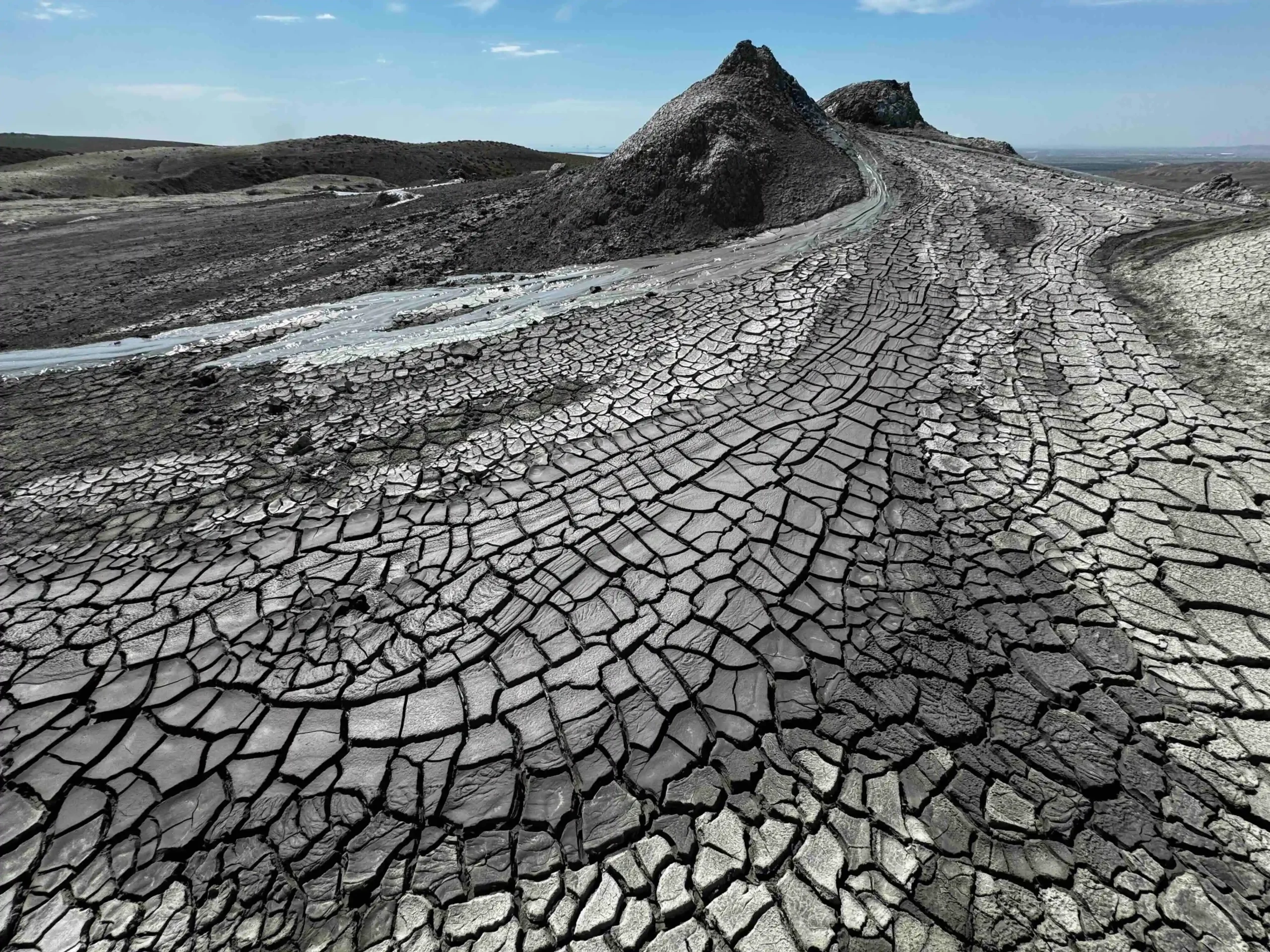
For decades, the global scientific community has viewed glaciers through the lens of a singular, monolithic crisis. From the vantage point of high-altitude satellite imagery, the story is consistent: a steady, dramatic decline in ice volume, contributing to rising sea levels and shifting oceanic currents. However, a deeper, ground-level analysis reveals that the trajectory of the planet’s 275,000 glaciers is far from uniform. Each glacier possesses a unique life history, shaped by local topography, microclimates, and regional ecological pressures. While many are retreating, others are demonstrating unexpected resilience, and some, in rare cases, are even expanding. To understand the future of the cryosphere, researchers are moving away from the "30,000-foot view" and focusing on the distinct, often contradictory, stories unfolding on the mountainsides of the Pacific Northwest, the Caucasus, and the Japanese Alps.
The Anomaly of Crater Glacier: A Volcanic Rebirth
In the Cascade Range of Washington state, Mount St. Helens provides one of the most compelling case studies in glacial evolution. Following the cataclysmic eruption of May 18, 1980, the mountain’s summit was obliterated, and its existing glaciers were largely destroyed. Conventional wisdom might suggest that a volcanic crater would be an inhospitable environment for ice formation. Yet, the very geometry of the post-eruption landscape created a unique "nursery."
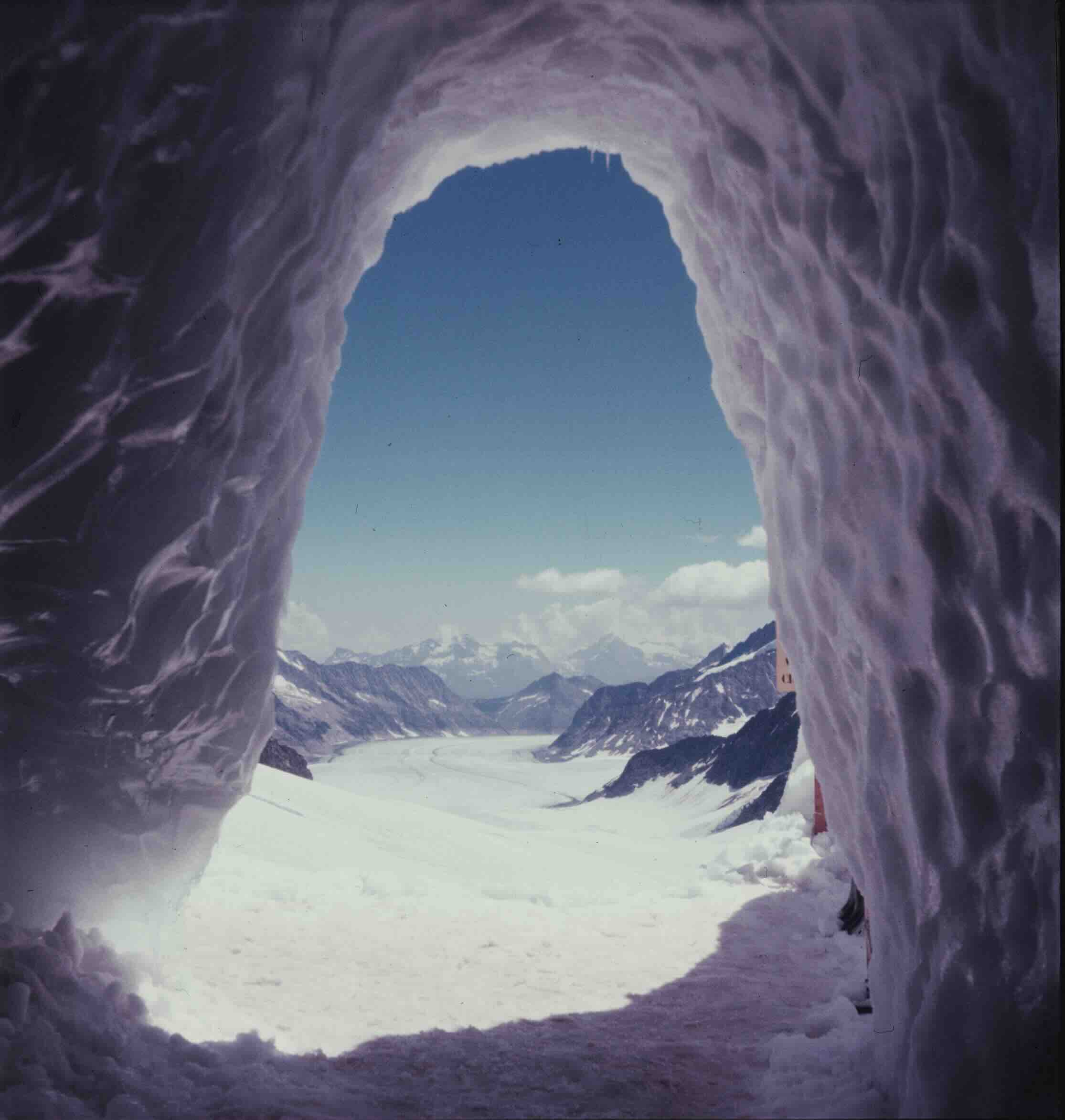
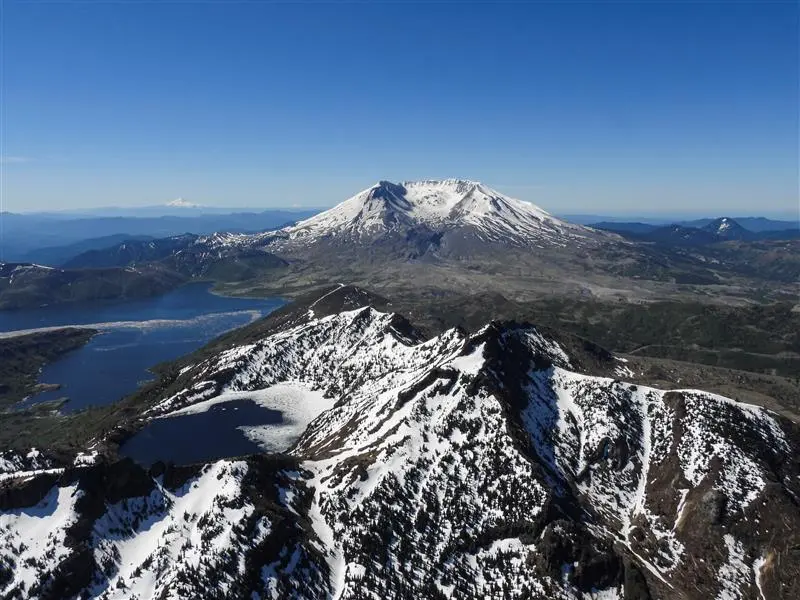
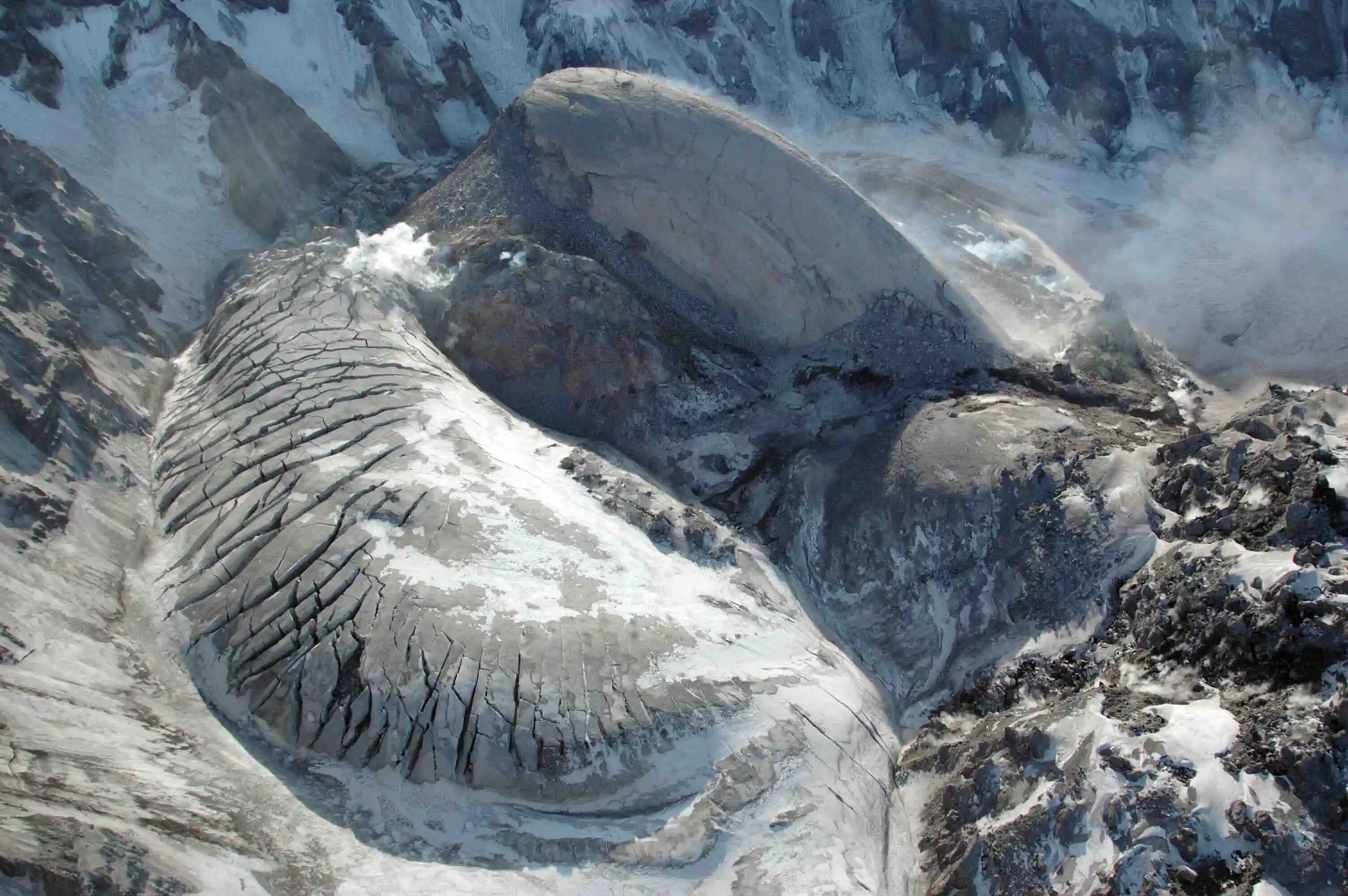
The north-facing, horseshoe-shaped crater effectively traps snow, shielding it from direct solar radiation and preventing melt. By 1996, observations confirmed that the accumulated snow and ice had begun to flow, officially designating the mass as a glacier. Its growth has been a testament to geological persistence. Even a secondary eruption in 2004, which forced a lava dome to extrude through the glacier and split it into two lobes, failed to halt its progress. Through a process of thermal deformation and rapid flow—reaching speeds of up to 60 centimeters per day—the glacier eventually wrapped around the new dome. Between 2009 and 2019, the glacier gained approximately 13.8 million cubic meters of ice.
However, this growth is precarious. Geologists warn that the glacier’s proximity to an active volcanic vent poses significant risks. Future eruptions could lead to the rapid melting of this ice, triggering lahars—deadly mudflows composed of water, ash, and debris. While Crater Glacier serves as a rare example of growth, it is a reminder that glacial health is inextricably linked to the volatile geological conditions of its immediate surroundings.
Water Scarcity and the Disappearing Ice of Azerbaijan
While Crater Glacier thrives, other regions face the reality of "peak water"—the point at which a glacier provides its maximum annual discharge before the supply begins to dwindle due to exhaustion. In the Eastern Caucasus of Azerbaijan, the decline has been swift and largely overlooked by the public. Data from the last two decades indicates that the country has lost roughly 77 percent of its total glacier area.
The implications for regional agriculture are profound. Azerbaijan’s farming sector relies heavily on water stored in high-altitude reservoirs. Glaciers act as natural, seasonal "water banks," slowly releasing meltwater throughout the warmer months. As these glaciers shrink, the initial effect is an increase in river discharge, which has temporarily bolstered agricultural output in valleys fed by rivers like the Mahmuddara.
However, this is a finite resource. Hydrologists note that once a glacier crosses the threshold of peak water, the flow will inevitably decline. In Azerbaijan, the lack of public discourse regarding this transition suggests a potential gap in climate adaptation planning. Unlike the highly visible, dramatic retreat of Arctic ice, the loss of small, high-altitude glaciers in the Caucasus is a quiet, incremental change that is only now beginning to impact the downstream water security of local communities.
The Japanese Alps: Redefining the Glacier
The discovery of active glaciers in Japan challenges the established understanding of where ice can persist. For years, the northern Japanese Alps were thought to contain only perennial snow patches—stationary, non-moving accumulations of ice. Scientific consensus held that the region’s climate was too temperate to support the flow necessary for true glacial classification.
This changed between 2009 and 2012, when researchers, including Kotaro Fukui and Hajime Iida, utilized geodetic measurements and ground-penetrating radar to confirm that several sites, including the Kuranosuke snow patch, were indeed moving. Kuranosuke was found to be shifting at a rate of approximately 3 centimeters per year. While this movement is minimal compared to the massive glaciers of the Himalayas or the Andes, it is sufficient to meet the definition of an active glacier.
This discovery prompted a re-evaluation of high-mountain environments globally. If glaciers could exist in the Japanese Alps, where the climate was deemed marginal, it raises the possibility that other "hidden" glaciers exist in similarly overlooked locations. However, the future of the Kuranosuke glacier remains uncertain. Recent monitoring suggests that the glacier is currently in a state of rapid transition, blurring the line between a functioning glacier and a stagnant, melting snow patch.
Broader Implications and Scientific Consensus
The study of these diverse glacial behaviors underscores a critical shift in cryospheric science. Scientists are moving toward a more nuanced model that accounts for the interaction between climate change and local topography. The following points summarize the current understanding of these disparate glacial stories:
- Topographic Buffering: Features like deep, shaded craters (as seen in Mount St. Helens) or north-facing mountain nooks can mitigate the effects of global warming, allowing for localized glacial persistence.
- The Peak Water Threshold: Regions currently benefiting from increased meltwater runoff must prepare for a significant reduction in supply once the glacial "bank account" is depleted.
- The Importance of Monitoring: The case of the Japanese Alps highlights that we may be undercounting the number of active glaciers worldwide, as many smaller ice bodies have been miscategorized as snow patches.
- Societal Indifference: There is a notable correlation between the remoteness of a glacier and the level of public concern regarding its loss. When a glacier disappears from the conversation, it becomes significantly harder to implement the infrastructure required to replace its role as a water reservoir.
Conclusion: A Future of Variability
The story of the world’s glaciers is not a single, linear trajectory toward total extinction, but rather a complex series of hundreds of thousands of individual narratives. Some, like the glaciers of the Caucasus, are providing a final, short-term bounty of water before they vanish. Others, like Crater Glacier, are defying expectations through unique geological accidents. Meanwhile, newly identified glaciers like those in Japan remind us that our knowledge of the cryosphere remains incomplete.
As the climate continues to shift, the variability between these glaciers will likely widen. For the communities living in their shadows, these changes will manifest in diverse ways—from the threat of volcanic lahars to the challenge of managing long-term water scarcity. Recognizing these individual life histories is not merely an academic exercise; it is a necessary step for societies to adapt to a planet where the ice, which has served as a stable anchor for millennia, is finally beginning to move, change, and in many places, disappear.

