

In a seismic shift for Georgia’s regulatory landscape, the Public Service Commission (PSC) is poised to operate under a Democratic majority for the first time in three decades. Beginning in January, three of the five seats on the powerful board will be held by Democrats, a transition that marks the end of a long-standing period of Republican control. This change in leadership arrives at a critical juncture for the state’s energy sector, as residents grapple with rising utility costs and the massive electrical load demands imposed by a burgeoning data center industry.
The PSC serves as the gatekeeper for utility rates and long-term energy planning in Georgia, holding jurisdiction over the state’s primary electric provider, Georgia Power. With the balance of power shifting, newly empowered Democratic commissioners—Peter Hubbard, Shelia Edwards, and Alicia Johnson—have signaled an intent to pivot toward a policy platform centered on affordability, increased transparency, and a more rigorous examination of the utility company’s financial requests.
A Three-Decade Pivot: Context and Chronology
For thirty years, the PSC has functioned as a bastion of Republican energy policy, generally favoring traditional utility expansion and industrial growth. The roots of the current change can be traced back to the 2024 and 2026 election cycles, where the intersection of high inflation and climbing residential power bills transformed the obscure regulatory body into a central campaign issue.
The "energy burden"—the percentage of household income spent on energy costs—has become a flashpoint for Georgia families. According to recent data from the U.S. Department of Energy, Georgia households frequently face higher-than-average electricity costs, exacerbated by extreme summer temperatures and the state’s heavy reliance on air conditioning.
The timeline of the current tension began in earnest last year, when Georgia Power implemented a temporary rate freeze. While the freeze was framed by the utility as a benefit to consumers, it drew significant ire from consumer advocacy groups. These organizations argued that the freeze bypassed the standard, rigorous public hearing process, effectively shielding the company from the scrutiny of a formal rate case. The perception that the utility was operating with minimal oversight in a "back-door" manner accelerated the push for a change in the commission’s composition.
The Data Center Dilemma
Central to the current regulatory discourse is the state’s massive investment in data centers. These facilities, essential for the infrastructure of modern artificial intelligence and cloud computing, consume vast quantities of electricity. Georgia Power has maintained that the revenue generated from these industrial giants provides "downward pressure" on rates for ordinary customers. The utility argues that by spreading the massive fixed costs of grid expansion across a larger base of high-volume users, the per-unit cost for residential customers remains lower than it would be otherwise.
However, critics remain skeptical of the "downward pressure" narrative. The controversy reached a fever pitch with the recent approval of a deal to power a massive new OpenAI data center. Despite the utility’s claims that the contract would provide roughly $15 in monthly relief for the "typical" customer, the actual contract terms remained largely redacted from the public record. This lack of transparency has become a rallying cry for the new majority.
"It is no longer acceptable to treat the PSC as an obscure, secondary regulatory body," said Brionté McCorkle of the Georgia Conservation Voters. "Its decisions directly dictate household budgets, public health, and the state’s long-term energy future. When contracts of this magnitude are shielded by trade secrecy, it is the public that loses the ability to hold the utility accountable."
The New Agenda: Affordability and Transparency
Democratic Commissioner Peter Hubbard, who secured his reelection this week, has identified the "affordability docket" as a primary initiative for his new term. This project is expected to involve a series of intensive public hearings designed to dissect the components of high power bills and evaluate potential cost-saving measures for consumers.
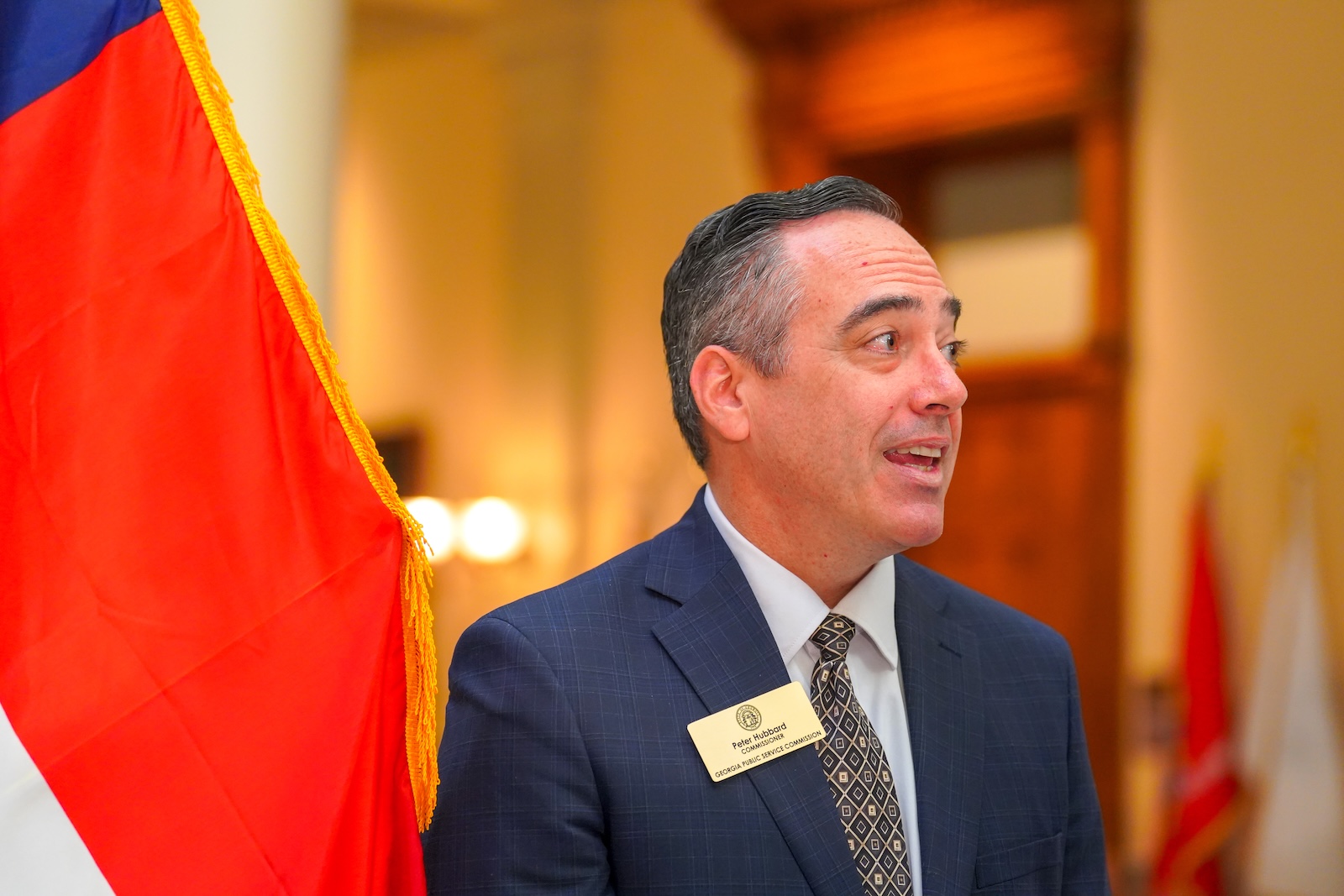
"We have a long laundry list of items that need immediate attention," Hubbard noted. "We are currently in a triage phase. We need to identify which components of the current rate structure are most burdensome and determine how we can shift the direction of the state to ensure that our energy future is equitable and transparent."
Beyond the affordability docket, the new majority has pledged to scrutinize Georgia Power’s long-term integrated resource planning. This includes evaluating the utility’s load forecasts—the company’s predictions of how much energy the state will need in the coming decades—and ensuring that these forecasts are not inflating the need for expensive new infrastructure projects that ultimately fall on the shoulders of ratepayers.
Furthermore, Hubbard has proposed conducting a comprehensive rate case for the state’s natural gas utilities, an undertaking that has not occurred in more than a decade. By applying the same level of scrutiny to gas providers as they plan to apply to Georgia Power, the commissioners hope to create a broader framework for consumer protection.
Industry and Institutional Perspectives
The leadership at Southern Company, the parent firm of Georgia Power, has publicly expressed a desire to work constructively with the incoming commissioners. During a recent third-quarter earnings call, CEO Chris Womack emphasized the utility’s commitment to the state’s growth and the benefits it provides to the community.
"If you look at the track record of our rate freezes, the benefits we have provided, and the way we are utilizing growth to benefit existing customers, we believe we have a strong platform," Womack said. "We are confident that we can demonstrate the value of our investments to the new commissioners."
However, experts in the energy sector urge caution regarding the timeline for tangible change. Kristin Phillips, an associate professor at Emory University who specializes in energy burden and regulatory affairs, suggests that while the decision-making process will likely become more inclusive, the impact on monthly bills may not be immediate.
"We shouldn’t expect overnight changes to our wallets," Phillips said. "Utility regulation is a slow-moving mechanism by design. However, what we can expect—and what we are already seeing—is a shift in the philosophy of the commission. The types of questions being asked, the information being requested from the utility, and the transparency of the hearings will likely see a significant upgrade."
Looking Toward 2028 and Beyond
The next major inflection point for the commission will be the 2028 rate-setting process. This cycle will provide the most significant test for the new Democratic majority, as it will require a comprehensive evaluation of Georgia Power’s financial health, construction costs, and service obligations.
The implications of this shift extend beyond simple economics. As the state balances the competing interests of massive tech corporations and residential energy consumers, the PSC’s role as an arbiter of the public interest has never been more vital. With a four-year window to cement their agenda, the new commissioners face the challenge of dismantling long-standing institutional practices while simultaneously managing the escalating demands of an energy-hungry economy.
Whether the new majority can successfully leverage their position to create "long-lasting reforms" remains to be seen. For now, the focus remains on the transition of power and the promise of a more transparent, public-facing regulatory environment. As the state moves into 2027, the eyes of both the utility industry and the consumer advocacy community will be fixed on the PSC, waiting to see if the promised "triage" leads to a tangible reduction in the energy burden faced by the average Georgian.

