
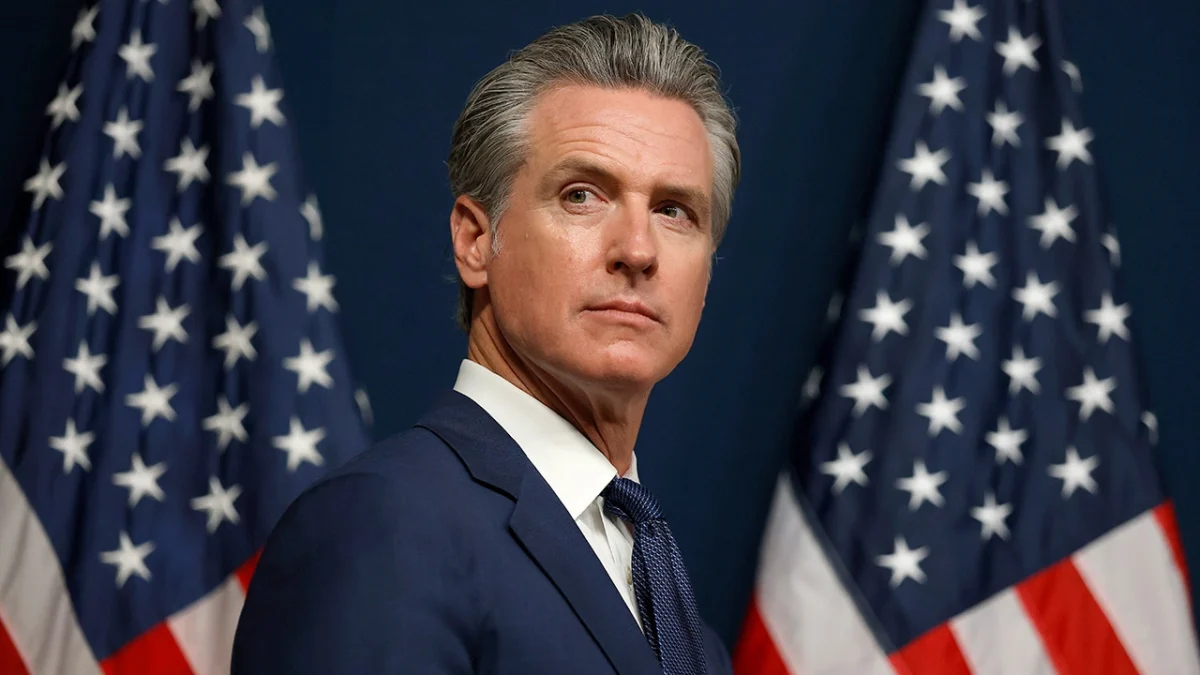
California Governor Gavin Newsom announced on Thursday that he will grant clemency to all 548 inmates currently held on the state’s death row, effectively ending the practice of capital punishment in the nation’s most populous state. The sweeping executive action converts all outstanding death sentences to life imprisonment without the possibility of parole. This move formalizes a long-standing shift in California’s judicial trajectory, codifying a policy that Newsom had already signaled through an administrative moratorium on executions shortly after taking office in 2019.
In a formal letter addressed to his constituents, Governor Newsom articulated the philosophical and legal foundations for his decision, characterizing the state’s capital punishment system as fundamentally broken. He cited systemic flaws, the risk of judicial error, and an evolving moral consensus as the primary drivers of his mandate. "After nearly 30 years in public office, I have come to understand the limits of what government can justly accomplish," Newsom wrote. "I take this action because I firmly believe that state-sanctioned killing is incompatible with California’s values, undermines the foundations of our legal system, and diminishes each of us."
A Historical Context of Capital Punishment in California
To understand the weight of this decision, one must look at the turbulent history of the death penalty in California. While the state has historically maintained one of the largest death row populations in the United States, its actual application of the death penalty has been sporadic and heavily litigated for decades.
California last executed an inmate in 2006, when Clarence Ray Allen was put to death by lethal injection. The subsequent years were marked by a complex series of legal challenges regarding lethal injection protocols, which effectively paralyzed the state’s ability to carry out executions. In 2019, Governor Newsom took a definitive step by signing an executive order to dismantle the state’s execution chamber at San Quentin State Prison, signaling that under his administration, the machinery of death would remain dormant.
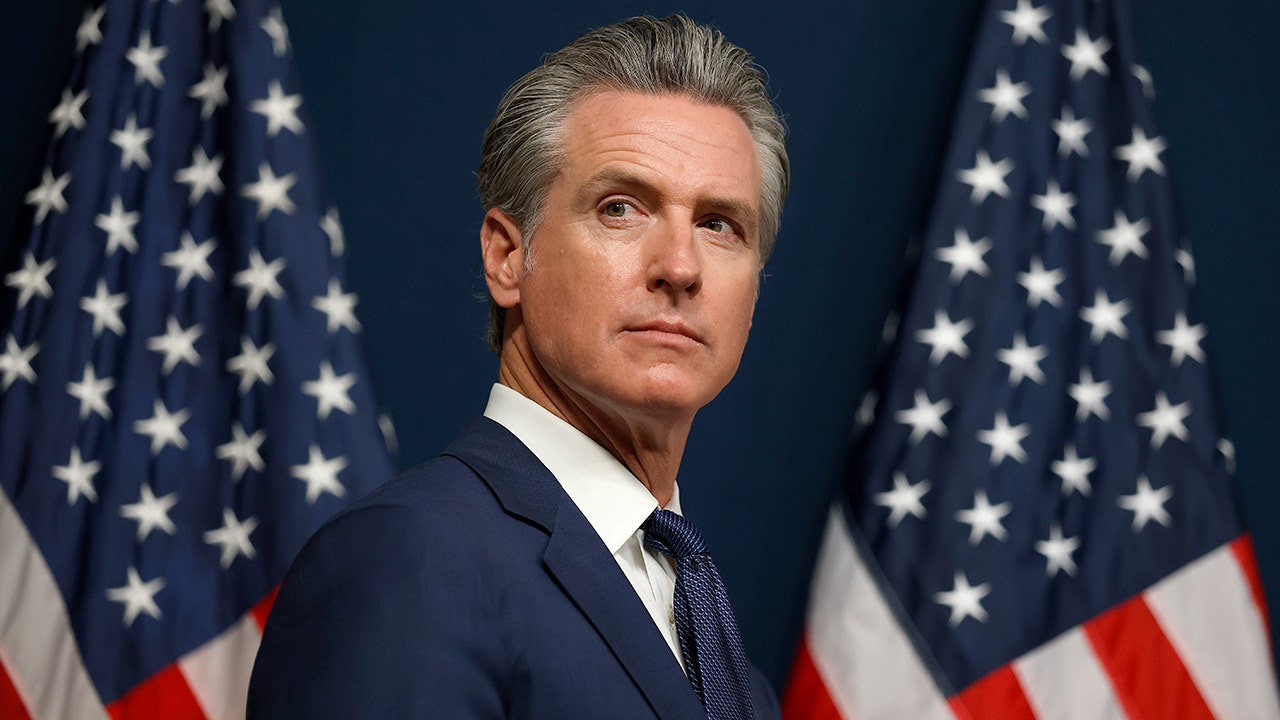
The timeline of California’s capital punishment journey includes several pivotal moments:
- 1972: The California Supreme Court briefly invalidates the death penalty in People v. Anderson, declaring it "cruel and unusual."
- 1977: The state legislature overrides a gubernatorial veto to reinstate capital punishment.
- 1993: The murder of 12-year-old Polly Klaas brings national attention to the state’s sentencing laws, leading to the high-profile death sentence of Richard Allen Davis.
- 2006: The state carries out its final execution.
- 2019: Governor Newsom signs an executive order instituting a moratorium on the death penalty and initiates the decommissioning of the San Quentin death chamber.
- 2026: Governor Newsom issues a blanket commutation for the remaining 548 inmates, effectively ending the state’s role as an executioner.
Supporting Data and the Cost of Execution
The fiscal and logistical burden of maintaining the death penalty has long been a point of contention among California policymakers. According to reports from the Legislative Analyst’s Office and various non-partisan fiscal studies, California has spent an estimated $5 billion on its death penalty system since 1978.
The costs are primarily driven by the protracted legal appeals process, the specialized nature of death penalty trials, and the enhanced security requirements for death row facilities. Data indicates that death penalty cases in California cost significantly more—often three to four times more—than cases resulting in life imprisonment without the possibility of parole. By moving all inmates to general population or specialized life-without-parole units, the state is expected to realize significant long-term savings, though proponents of the death penalty argue that these savings ignore the issue of justice for the victims’ families.
Victim Advocacy and Public Backlash
The announcement has triggered intense backlash from victims’ rights organizations and families of those affected by violent crime. For many, the commutation is viewed not as a moral victory, but as an affront to the finality of the judicial process.
Marc Klaas, the father of Polly Klaas, has been one of the most vocal critics of the governor’s policy. Following the announcement, Klaas expressed profound frustration with the executive branch’s unilateral decision-making. "He just gave the gift of life to hundreds of people who took the gift of life from their victims," Klaas stated in an interview with news media. "I don’t understand his rationale behind it—but it’s probably the same old tired stuff that he said when he did his moratorium."

Klaas and other advocates argue that the commutation strips the justice system of its ultimate deterrent and denies the families of victims the sense of closure that a sentence of death provides. The political implications of the move are also significant, with critics accusing the governor of prioritizing the rights of convicted felons over the concerns of the citizens he represents.
The Perspective of Abolitionists
Conversely, death penalty abolitionists and human rights advocates have hailed the decision as a milestone for human rights in the United States. Rev. Jeff Hood, a well-known spiritual adviser who has accompanied multiple inmates to the execution chamber, framed the move as a courageous act of leadership.
"The silence after the very breath of a human is violently wrestled out of them is deafening," Hood stated. "Today, Governor Newsom has courageously chosen to break that silence. These commutations represent the height of moral leadership. Cruelty laid down."
Supporters of the abolition argue that the risk of executing an innocent person is too high, pointing to the numerous exonerations that have occurred nationwide via DNA evidence. Furthermore, they contend that the death penalty is applied disproportionately against minority defendants and those unable to afford high-quality legal representation, making it an inherently discriminatory tool of the state.
Broader National Implications and Future Outlook
California’s decision arrives during a period of national volatility regarding capital punishment. The United States is currently witnessing a fractured landscape, with some states accelerating their execution schedules while others move toward complete abolition.

The recent case of Christa Pike in Tennessee, which involved a widely publicized and criticized "botched" execution attempt, has re-energized the national debate. As medical associations continue to refuse to provide drugs or personnel for executions, states are increasingly struggling to maintain the logistics of lethal injection, leading to concerns about "cruel and unusual punishment" under the Eighth Amendment.
By effectively ending the death penalty, California has positioned itself at the forefront of a shifting American legal consensus. Whether other states will follow suit remains to be seen, but the sheer scale of California’s action—a mass commutation of 548 individuals—is unprecedented. This decision effectively ends the largest death row in the country, forcing a massive administrative restructuring of the state’s correctional system.
Legal analysts suggest that this move will likely face challenges, though the Governor’s power to grant clemency is broad under the California Constitution. While the legal battles over individual cases may conclude, the political and social debate is far from over. As California enters this new era, the state will serve as a high-profile case study for the nation: a test of whether a large, complex justice system can function effectively without the ultimate penalty, and how it will balance the demands of public safety, fiscal responsibility, and evolving standards of moral justice.
For the inmates, the change means their status will be transitioned to life without parole. For the victims’ families, it represents the permanent closing of a legal chapter they had hoped would end in execution. For Governor Newsom, the move secures his legacy as a leader who pushed for the most significant shift in California’s criminal justice policy in modern history, regardless of the political cost.

