
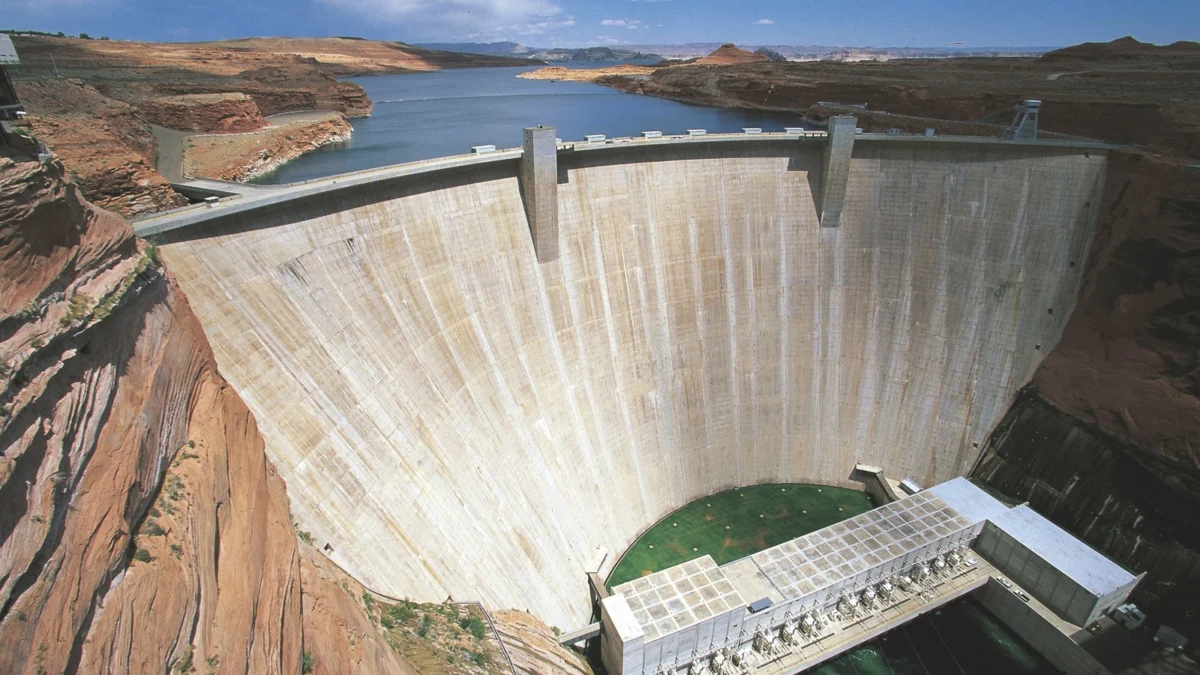
The American Southwest is currently grappling with the most severe hydrological crisis in over 1,200 years, a 27-year-long drought that is fundamentally altering the geography and economy of the Colorado River Basin. As the primary artery for water in the region—supporting 40 million people, fueling a multi-billion-dollar agricultural industry, and powering massive metropolitan hubs—the Colorado River is facing a systemic collapse of its storage infrastructure. At the heart of this crisis is the Glen Canyon Dam and its reservoir, Lake Powell, which now stands at a precarious threshold that threatens the operational stability of the entire river system.
The crisis is rooted in a changing climate that has disrupted the traditional hydro-cycle of the Rocky Mountains. Historically, the Colorado River has relied on a robust snowpack to provide a predictable pulse of water during spring runoff. However, rising temperatures have led to earlier snowmelt, increased evapotranspiration rates, and a "thirstier" atmosphere that absorbs moisture before it can reach the reservoirs. Consequently, the river’s annual flow has plummeted, leaving the Bureau of Reclamation with the impossible task of balancing the competing water rights of seven states and two nations.
A Chronology of the Crisis
The decline of the Colorado River system is not a sudden event but a cumulative failure spanning three decades. Since the late 1990s, the basin has entered a period of aridification that has consistently outperformed predictive models.
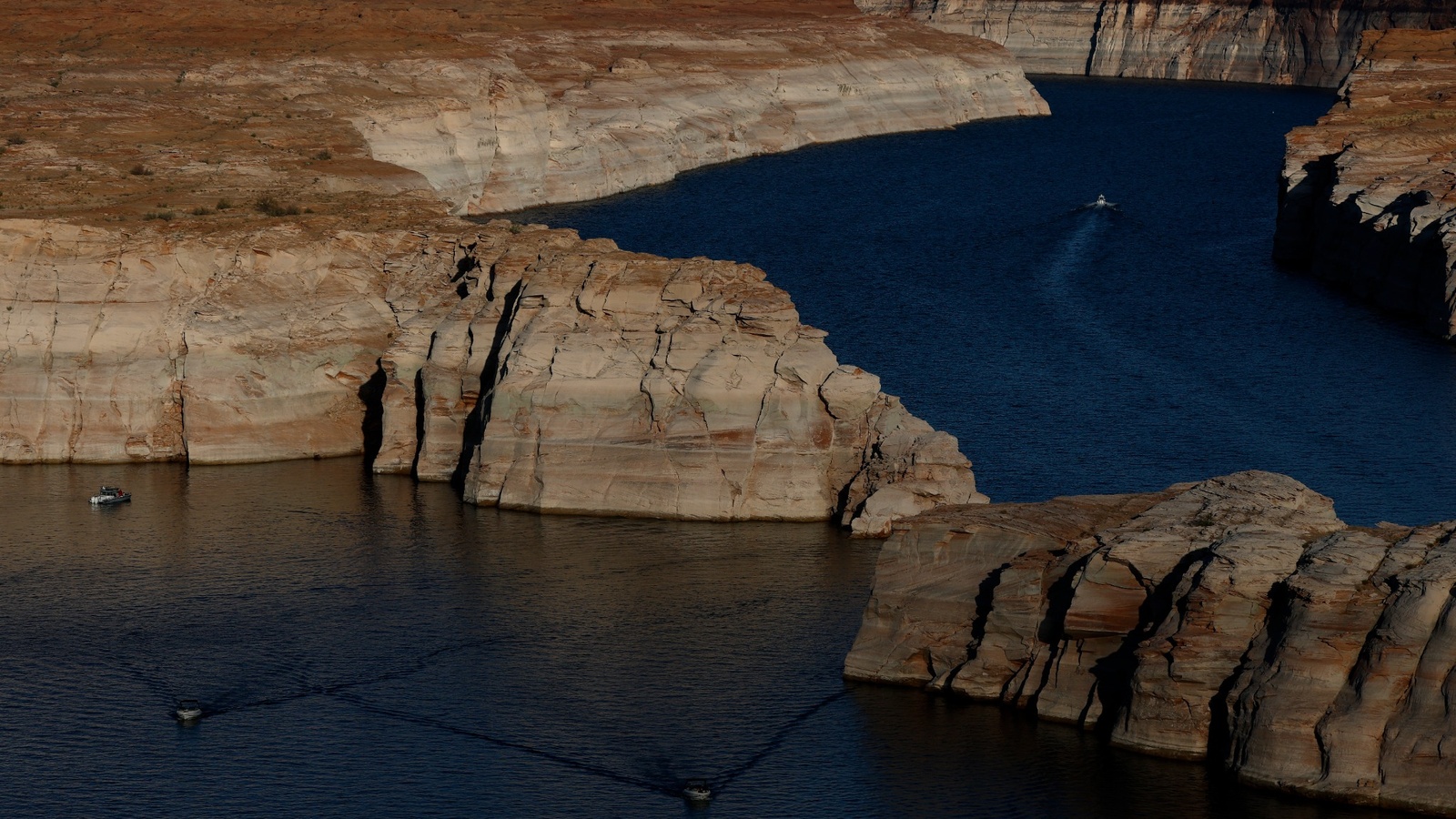
In the 1960s, the construction of the Glen Canyon Dam was heralded as an engineering marvel, designed to ensure that the Upper Basin states could store water to meet their obligations to the Lower Basin. For decades, the system functioned as intended. By the early 2000s, however, the "bathtub ring" began to appear around Lake Powell, signaling a permanent decline in water levels.
The situation reached a critical inflection point in 2024, when federal authorities were forced to implement emergency curtailments, slashing water deliveries to California, Arizona, and Nevada by as much as 40 percent. This was followed in 2025 by the emergency inspection and relining of the dam’s bypass tubes—structures originally intended for emergency maintenance but now viewed as a primary, albeit insufficient, mechanism for moving water should the reservoir drop below the "power pool" level required for hydroelectric generation.
Structural Vulnerabilities and the Threat of Dead Pool
The design of the Glen Canyon Dam relies on penstocks—large pipes located at a specific elevation—to feed water through turbines to generate electricity. When water levels fall below these intakes, the dam loses its ability to produce power. More importantly, the system must then rely on lower-level bypass tubes to move water downstream to Lake Mead.
These bypass tubes, however, were never engineered for sustained, high-volume operation. Engineers have long warned that relying on these structures for long-term water delivery could cause structural vibrations, sediment scouring, and internal damage to the concrete monolith. As Lake Powell dips toward "dead pool"—the elevation at which water can no longer flow by gravity through the dam—the prospect of a total cutoff of water to the Lower Basin has moved from a theoretical risk to a looming reality.

The Rise of the Fill Mead First Proposal
As traditional management strategies prove insufficient, a previously fringe concept has moved into the mainstream policy debate: the "Fill Mead First" proposal. Championed by the Glen Canyon Institute and various environmental policy groups, this initiative advocates for the permanent draining of Lake Powell to consolidate water storage in Lake Mead.
The arguments for this shift are multifaceted. First, proponents note that Lake Powell is located in a high-desert region where evaporative losses are significant; studies suggest that roughly 11 percent of the reservoir’s total volume is lost to evaporation annually. Consolidating that water in Lake Mead, which has a deeper, more efficient storage profile, could theoretically save hundreds of thousands of acre-feet of water every year.
Second, the environmental impact of such a move would be profound. As water levels in Lake Powell recede, the historic landscape of Glen Canyon—a labyrinth of red rock gorges, natural bridges, and archeological sites—is beginning to reemerge. Restoring this landscape would provide a massive influx of native riparian habitat, allowing cottonwoods, willows, and diverse wildlife to return to a river system that has been sterilized by seven decades of inundation.
Economic and Political Roadblocks
Despite the potential hydrological and environmental benefits, the transition away from a two-reservoir system faces fierce opposition. The town of Page, Arizona, and the broader recreational boating industry rely heavily on the existence of the reservoir. For these stakeholders, the loss of the lake would be an economic catastrophe, destroying a local industry built on houseboating, fishing, and water sports.
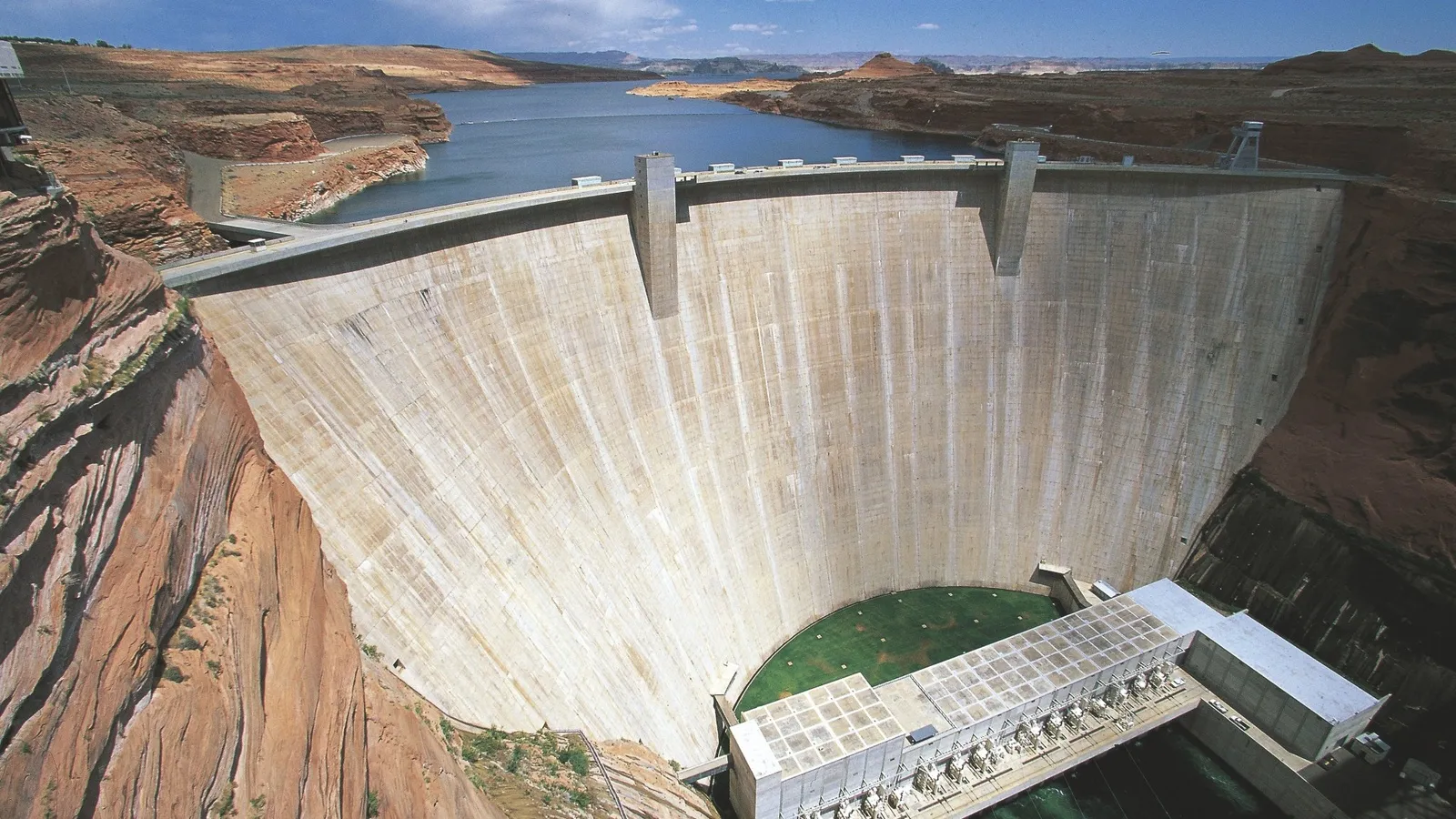
Furthermore, the BlueRibbon Coalition and other advocates for the status quo have proposed alternative "techno-fix" solutions. Their "Colorado River Abundance Act" suggests an investment of $40 billion in advanced water reuse, desalination, and infrastructure upgrades to maintain current reservoir levels. Critics, however, argue that these projects are prohibitively expensive and unlikely to be completed in the timeframe required to stave off the current water shortage.
From a regulatory standpoint, the federal government remains cautious. The Bureau of Reclamation’s recent environmental impact statement for post-2026 operations stopped short of considering the full drainage of Lake Powell, prioritizing the preservation of existing infrastructure.
The Human and Ecological Cost
The implications of the river’s decline extend far beyond the dams themselves. In the Lower Basin, developers have already halted housing projects due to a lack of guaranteed water, and farmers are being paid to fallow fields that have been in production for generations. The "environmental flows"—carefully managed releases of water intended to maintain the health of the Grand Canyon’s ecosystem—have been frequently canceled to conserve water for municipal use.
This has resulted in a "novel" ecosystem, one where the natural pulse of the river is replaced by human-driven mandates. When the Bureau of Reclamation withholds water, the Grand Canyon loses the natural sediment transport required to build sandbars, which are critical habitats for endangered species. Conversely, if the system were drained, the influx of non-native fish currently living in Lake Powell would move downstream, potentially devastating the native fish populations that the Grand Canyon serves as a sanctuary for.
Analyzing the Path Forward
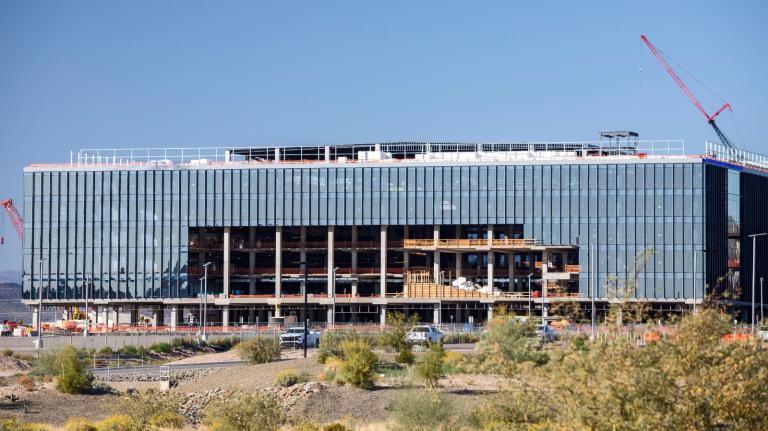
The situation remains a "screwy manmade world," as noted by researchers at Utah State University. Every decision involves a trade-off. Choosing to save the canyon means sacrificing a massive source of renewable, carbon-free hydroelectric power, which would then need to be replaced by alternative energy sources like the Gemini solar facility near Las Vegas. Choosing to keep the dam means betting against the climate, hoping that future years will bring enough precipitation to avoid the disaster of a dead pool scenario.
As of late 2026, the consensus among water managers is shifting. The belief that the current infrastructure is a permanent solution is being replaced by the realization that it is a temporary, and increasingly fragile, adaptation. The Bureau of Reclamation is currently under immense pressure to decide whether to invest billions in retrofitting the Glen Canyon Dam with new, lower-level outlets or to begin the long-term process of decommissioning the reservoir.
The future of the Colorado River will likely be defined by how quickly the federal government can move beyond the "kicking the can down the road" mentality. With global temperatures continuing to rise and the hydrological deficit widening, the time for half-measures is rapidly closing. Whether the solution involves radical engineering projects, massive investment in desalination, or the intentional return of the river to its natural state, the status quo is no longer a sustainable option for the American West. The road is running out, and the decisions made in the coming decade will dictate the viability of the desert Southwest for the next century.

