
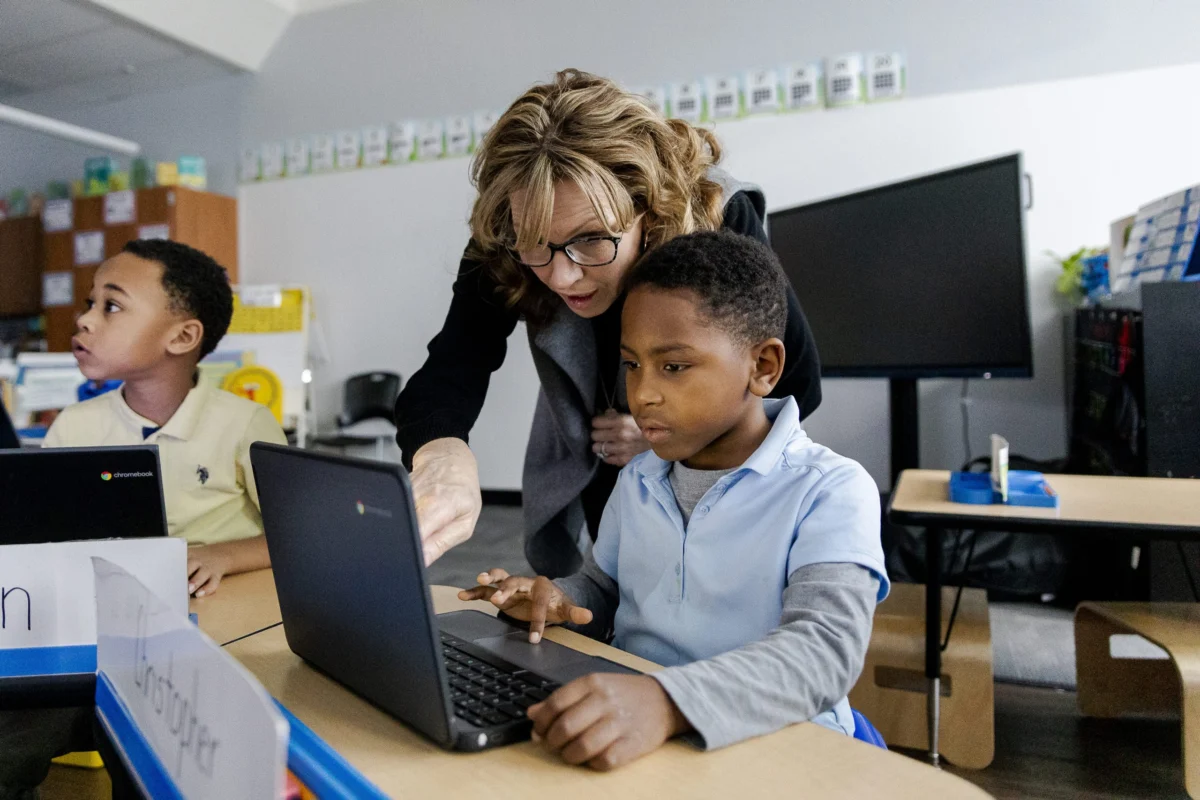
The rapid integration of artificial intelligence into the K-12 classroom has sparked a nationwide debate regarding the definition of personalized learning. While software developers and educational technology firms position AI as a panacea for closing academic achievement gaps, educators are increasingly warning that focusing solely on data-driven remediation may be counterproductive. By prioritizing labels like "remedial" or "low-performing," schools risk entrenching existing inequalities rather than fostering genuine intellectual growth. As artificial intelligence becomes a standard tool in the modern pedagogical toolkit, the central question for school districts is whether this technology should be used to automate standardized instruction or to empower human-centered learning.
The Evolution of Personalized Learning
Personalized learning has been a buzzword in American education for over a decade, promising a shift away from the "factory model" of schooling where every student receives the same instruction at the same time. According to recent surveys by the Bill & Melinda Gates Foundation and the RAND Corporation, over 70% of public school districts have implemented some form of personalized learning strategy since 2015.
The traditional methodology involves diagnostic testing to identify "skill gaps"—specific areas where a student is underperforming relative to grade-level standards. Once identified, students are assigned digital modules designed to address those deficiencies. While this approach has provided teachers with actionable data, critics argue it often strips the curriculum of its nuance, reducing a student’s entire academic identity to a series of deficits.
A Shifting Paradigm: The Role of Generative AI
The emergence of generative AI has transformed the speed at which educators can curate materials. Teachers can now generate practice problems, adjust reading levels for diverse learners, and receive instant feedback on student progress in seconds. However, this efficiency creates a technological trap. If AI is fed only the diagnostic data of a student’s shortcomings, the resulting personalized curriculum will inevitably focus on those weaknesses.
The case of Al Rabanera, a math teacher at La Vista High School in Fullerton, California, provides a lens into this tension. When faced with students questioning the necessity of learning algebraic concepts in an era of instant technological answers, Rabanera moved away from traditional remediation. Instead of emphasizing the "gap" in the student’s knowledge, he utilized the student’s personal interests—specifically automotive engineering and financial literacy—as the framework for mathematical application.
Data-Driven Insights vs. Holistic Understanding
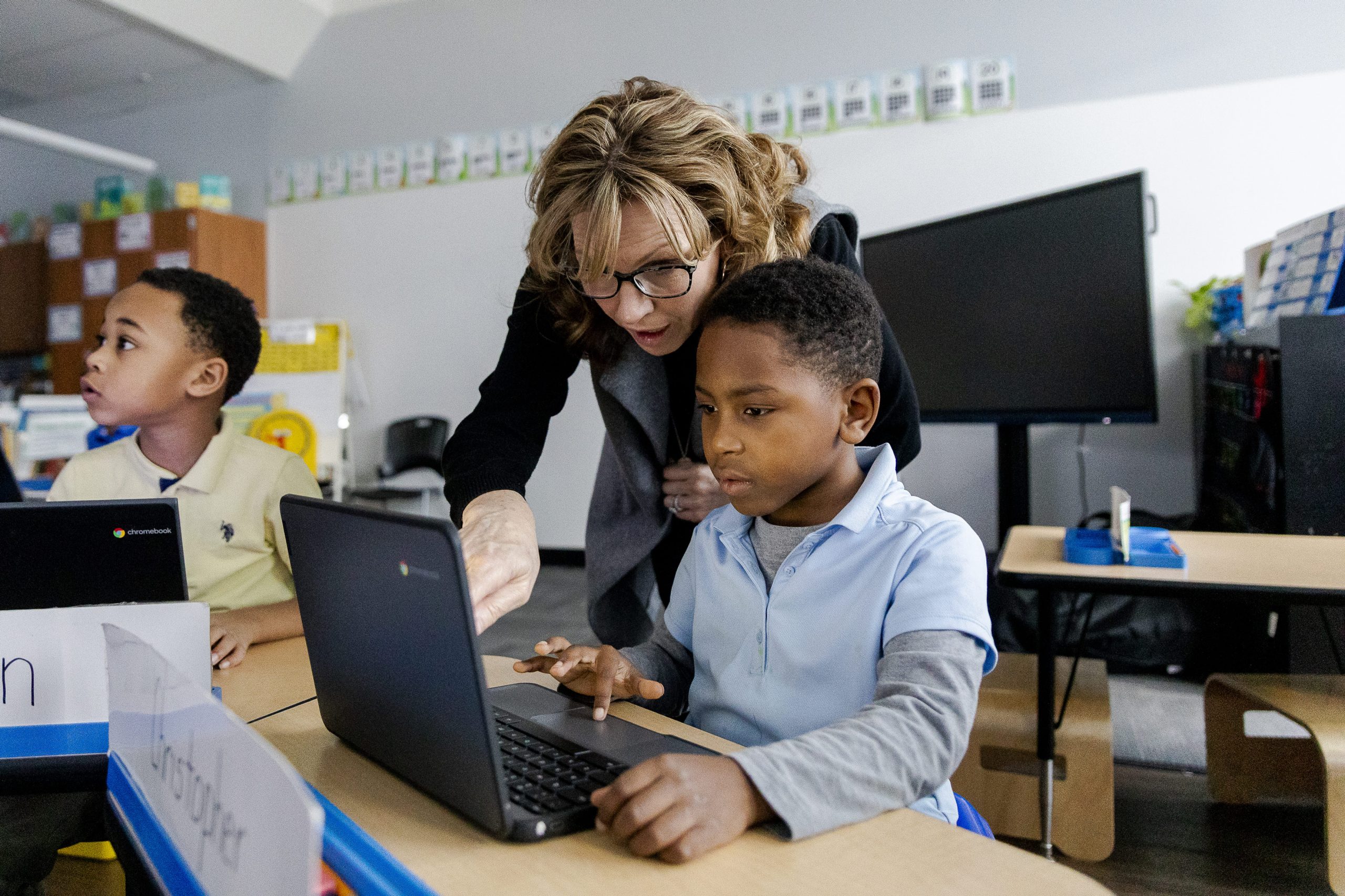
Current educational data reveals a significant disparity in student engagement when curriculum is disconnected from real-world application. Research published by the Brookings Institution indicates that students are 40% more likely to retain complex information when it is framed within a context they find personally relevant.
Despite this, most AI-driven platforms currently deployed in schools are programmed to prioritize standards-aligned mastery. These systems are highly effective at tracking whether a student can solve for X, but they are generally incapable of recognizing the "why" behind a student’s motivation. Academic data, while necessary, provides only a partial picture of the learner. It captures what a student knows at a specific moment but fails to measure the cognitive reasoning that occurs when a student is intellectually invested in a project.
Chronology of AI Integration in the Classroom
- 2015–2018: The "Personalized Learning Movement" gains momentum; focus is placed on digital platforms like Khan Academy and various adaptive learning software providers.
- 2020–2022: The COVID-19 pandemic accelerates the adoption of remote learning technologies, creating a massive influx of student performance data.
- 2023: The launch of public-facing generative AI tools (such as ChatGPT) creates a paradigm shift, allowing for the rapid generation of custom curriculum materials.
- 2025–2026: Education departments begin drafting guidelines for AI usage, balancing the need for data security with the desire to leverage personalized AI instruction.
- Late 2026: Educator unions and academic researchers begin publishing "human-in-the-loop" frameworks, emphasizing that AI should supplement, not replace, the teacher-student relationship.
Perspectives from Stakeholders
Educational technology advocates argue that the scalability of AI is the only way to address the teacher shortage currently impacting school districts across the United States. "We cannot expect a single teacher to create twenty-five individual lesson plans every day," notes a representative from a major ed-tech firm. "AI is the only tool that makes true personalization at scale possible."
Conversely, the American Federation of Teachers (AFT) has urged caution, emphasizing that "academic rigor" should not be confused with "repetitive task completion." In recent briefings, union leaders have argued that excessive reliance on AI platforms for remediation can lead to the "deskilling" of the teaching profession, where teachers become mere monitors of software rather than designers of curriculum.
The Impact of Interest-Based Instruction
The integration of student interests into academic rigor is not a new concept, but technology makes it more feasible than ever before. By using AI as an assistant to map a student’s personal passions—whether it be music production, automotive repair, or social advocacy—onto core curriculum standards, teachers can boost student agency.
When students like those in Rabanera’s algebra class see the direct link between a quadratic equation and the cost-benefit analysis of a car loan, the perception of "hard" math shifts. It ceases to be an abstract obstacle and becomes a tool for their future goals. This shift in perspective is critical for students who have been labeled as "low-performing" early in their academic careers. When these labels are replaced with a curriculum that validates their intelligence and interests, students often show an increased willingness to engage with challenging material.

Implications for Future Policy
As school boards and state departments of education develop policies for the 2027–2030 academic cycles, the definition of "personalized learning" must be updated to include socio-emotional and interest-based metrics. The implication is clear: technology should be used to bridge the gap between what a student needs to know and what they want to achieve.
Failure to incorporate this human element risks creating a digital divide where students in well-resourced districts receive "human-augmented" instruction, while students in underfunded, struggling districts are relegated to "AI-automated" rote learning. To prevent this, professional development for teachers must shift. Educators need training not just on how to operate AI software, but on how to prompt these systems to align with the unique motivations of their student populations.
Conclusion: The Human Element Remains Paramount
Technology, no matter how sophisticated, cannot replace the rapport between an educator and a student. Data points can show a teacher that a student is struggling with fractions, but they cannot tell the teacher that the student is discouraged because they feel disconnected from the classroom environment.
The future of personalized learning rests on a dual foundation: the analytical power of artificial intelligence and the empathetic insight of the human teacher. By using AI to handle the logistical burden of curriculum generation and data synthesis, teachers are freed to spend more time on what matters: understanding the individual student. True innovation in education will not be found in the algorithms that grade our students, but in the creative ways we use those algorithms to unlock their potential. When the focus shifts from "fixing" a student to "enabling" them, the potential for academic and personal success is nearly limitless.

