
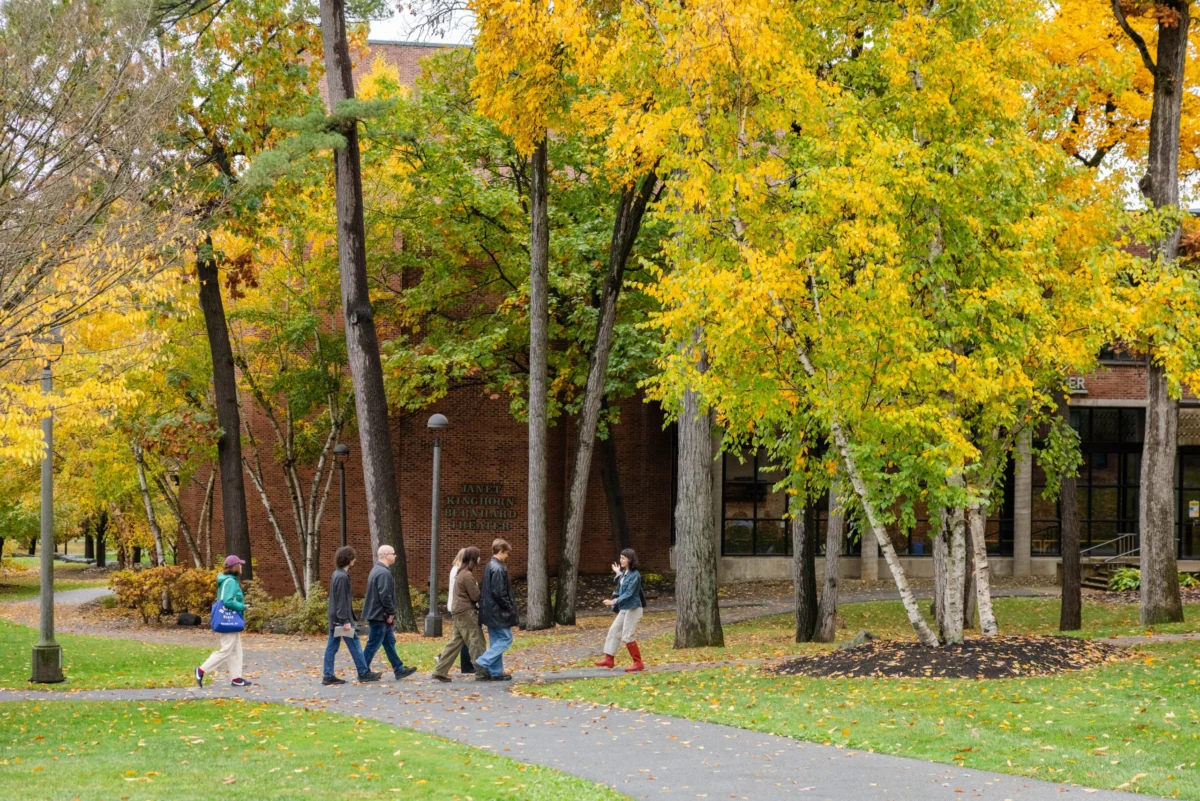
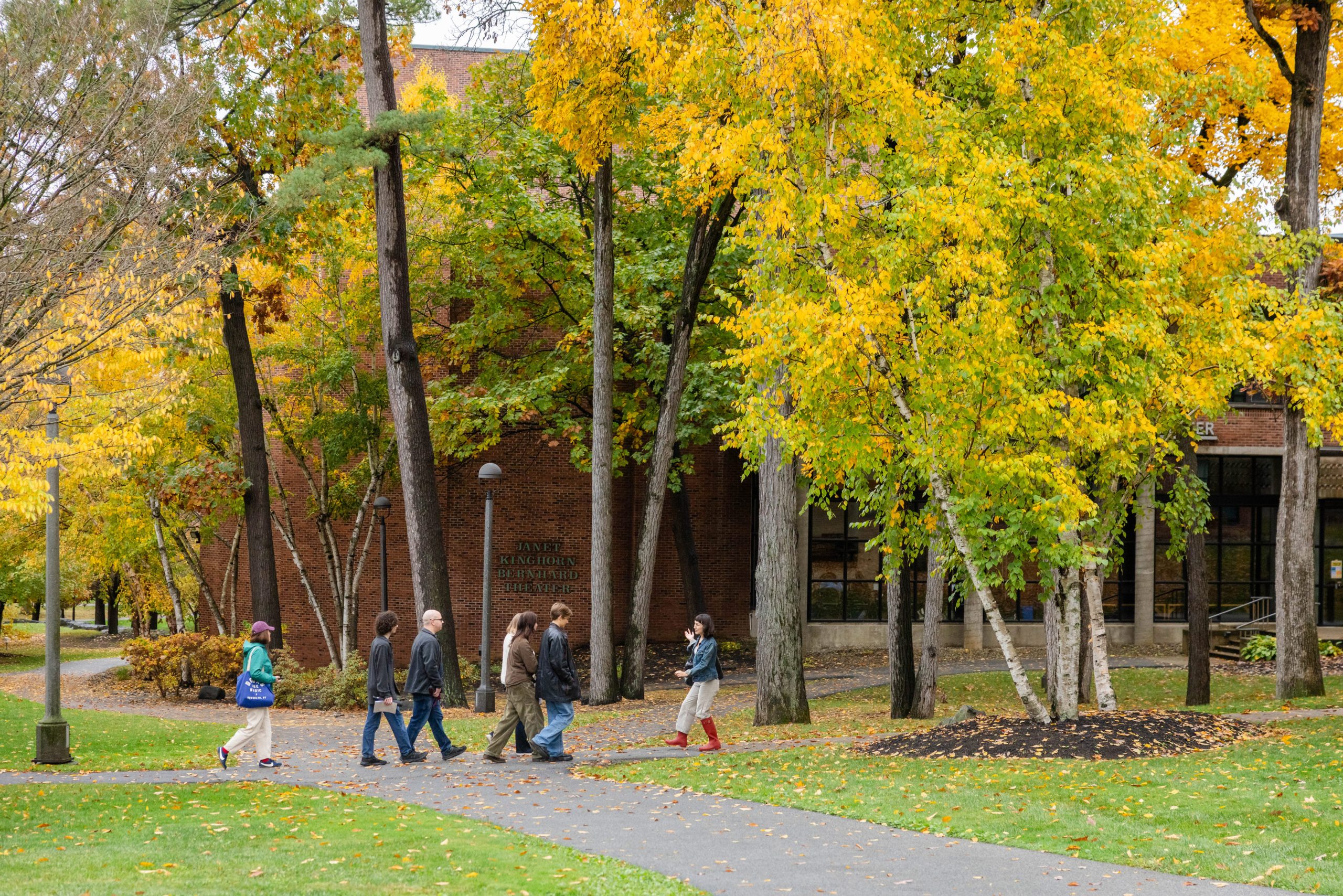
The college admissions landscape is undergoing a profound structural shift as institutions pivot from a historical posture of exclusivity to a model centered on hospitality and aggressive recruitment. For high school senior Alex Zaret, the experience of touring campuses has been a lesson in the changing power dynamics of higher education. Visiting Skidmore College in Saratoga Springs, New York, this fall, Zaret described the process as overwhelming, a sentiment echoed by his father, Owen, who characterizes the modern search for a university as a full-time job. This family experience encapsulates a broader industry trend: as the pool of prospective students shrinks, the "ivory tower" approach—where colleges signaled that a student should be grateful for an invitation—is being replaced by a proactive, applicant-centric philosophy.
The Demographic Cliff and the Shift in Admissions Strategy
The necessity for this change is rooted in stark demographic realities. The United States is currently navigating a period often referred to in higher education circles as the "enrollment cliff." The number of high school graduates is projected to decline by approximately 13 percent between 2025 and 2041, according to data from the Western Interstate Commission for Higher Education. This decline is compounded by a shift in sentiment; the proportion of high school graduates opting to matriculate into higher education immediately following graduation has dipped from 70 percent in 2016 to 63 percent in 2024, as reported by the Bureau of Labor Statistics.
For enrollment managers, these figures represent an existential challenge. A 2026 survey by the ratings platform Niche revealed that two-thirds of college admissions departments failed to meet their enrollment targets in at least one of the previous two years. Perhaps more tellingly, 97 percent of these administrators anticipate that competition for the remaining pool of students will only intensify. Consequently, the traditional, often secretive and intimidating, admissions process is being dismantled in favor of transparency and ease of access.
From Selective Rejection to Active Recruitment
Historically, many private, nonprofit institutions built their prestige on low acceptance rates. However, the current reality is that getting into college has become statistically easier. Data from the National Association for College Admission Counseling (NACAC) indicates that the average acceptance rate for first-time undergraduates at public universities is nearly 80 percent, while private, nonprofit institutions hover around 70 percent. These figures represent a notable increase from a decade ago, when those rates were 68 percent and 65 percent, respectively.
Despite these statistics, public perception remains anchored in the past. A Pew Research Center survey found that more than 40 percent of young adults erroneously believe it is harder to get into college today than it was for their parents’ generation. This disconnect is largely fueled by the intense media focus on the "Ivy League" and ultra-selective schools like Stanford, Harvard, and Caltech, which admit fewer than 5 percent of applicants. In truth, only 33 institutions in the entire United States maintain an acceptance rate of 10 percent or lower.

The Faculty’s New Role in the Front Office
To bridge the gap between application and enrollment, institutions are now enlisting their most valuable asset: the faculty. At Skidmore College, the administration has begun integrating professors into the recruitment process, allowing them to meet with prospective students, open their labs, and host classroom visits. This represents a departure from the traditional model where recruitment was the sole purview of the admissions office.
Skidmore’s president, Marc Conner, emphasizes that this "all-hands-on-deck" approach is vital for the institution’s future. "We depend on students coming to our campuses and, when they do come, getting them to enroll," Conner noted. By involving faculty, the college aims to provide a tangible sense of belonging. This strategy is mirrored at institutions like Ohio Northern University and Washington College, where professors are now standard fixtures in the recruitment cycle.
This shift is not without initial resistance. Many faculty members historically viewed recruitment as a distraction from their research and teaching duties. Johnnie Johnson, vice president for enrollment management at Washington College, explains that he had to be candid with his colleagues about the financial implications of declining enrollment. "When you put a financial figure on every student who comes in, that equates to programmatic funding. That equates to raises," Johnson stated. He points out that as faculty witness the closure of peer institutions, the motivation to participate in enrollment efforts has increased significantly.

The Problem of Yield and the "Savvy Shopper"
A major driver of this new recruitment intensity is the volatility of "yield"—the percentage of admitted students who ultimately decide to enroll. As students hedge their bets by applying to a larger number of schools via platforms like the Common App, the predictability of enrollment has plummeted. Federal data shows that yield rates dropped from 32 percent to 22 percent at public institutions and from 24 percent to 18 percent at private nonprofits between 2014 and 2024.
Because students are applying to an average of more than seven schools, colleges must now admit significantly more students than they actually have space for to ensure they meet their budgetary goals. This has necessitated a "full force" approach to hospitality. Admissions departments are no longer just evaluators; they are effectively in the hospitality industry, tasked with "coaxing" admitted students to follow through with their deposits.
Case Study: The Skidmore Model
Skidmore College serves as a compelling case study for this transition. Despite a strong market position—with applications rising and an acceptance rate that has dropped from 37 percent to 24 percent over the last decade—the institution refuses to be complacent. Jess Ricker, vice president for enrollment, notes that the college intentionally works to shed the reputation of being an "office of rejection."

For psychology department chair Becca Johnson, the impact of these personal touches is tangible. She recalls a recent interaction with a parent who remarked that, after receiving dozens of acceptance letters, Skidmore was the first institution where a faculty member reached out personally. "Students and parents, they’re savvy shoppers," Johnson said. "They’re making really wise decisions, and I think more information is better than less."
Broader Implications for Higher Education
The implications of this industry-wide transformation are significant. As colleges compete, they are likely to continue reducing friction in the application process. This includes the widespread adoption of direct admissions—a practice already utilized by 150 private colleges and numerous state systems where students are admitted based on their high school records before they even file a formal application.
However, this transition also highlights the precarious nature of the higher education business model. The need to maintain enrollment levels to fund operations and faculty salaries creates a constant pressure that impacts the daily culture of the campus. While students benefit from a more welcoming and transparent admissions process, the institutions themselves are engaged in a long-term struggle to maintain their value proposition in an era of demographic decline.

Ultimately, the shift from a passive, exclusionary gatekeeper model to an active, engagement-focused recruitment strategy is not merely a marketing tactic; it is an economic necessity. As Rob Springall, a consultant at WittKieffer, observed, presidents and enrollment managers now realize that "every interaction counts." In this new environment, the survival of an institution may well depend on its ability to convince a generation of "savvy shoppers" that they are not just applicants, but desired members of a campus community. The era of the ivory tower is effectively over; in its place is a more competitive, transparent, and undeniably human approach to the college experience.

