
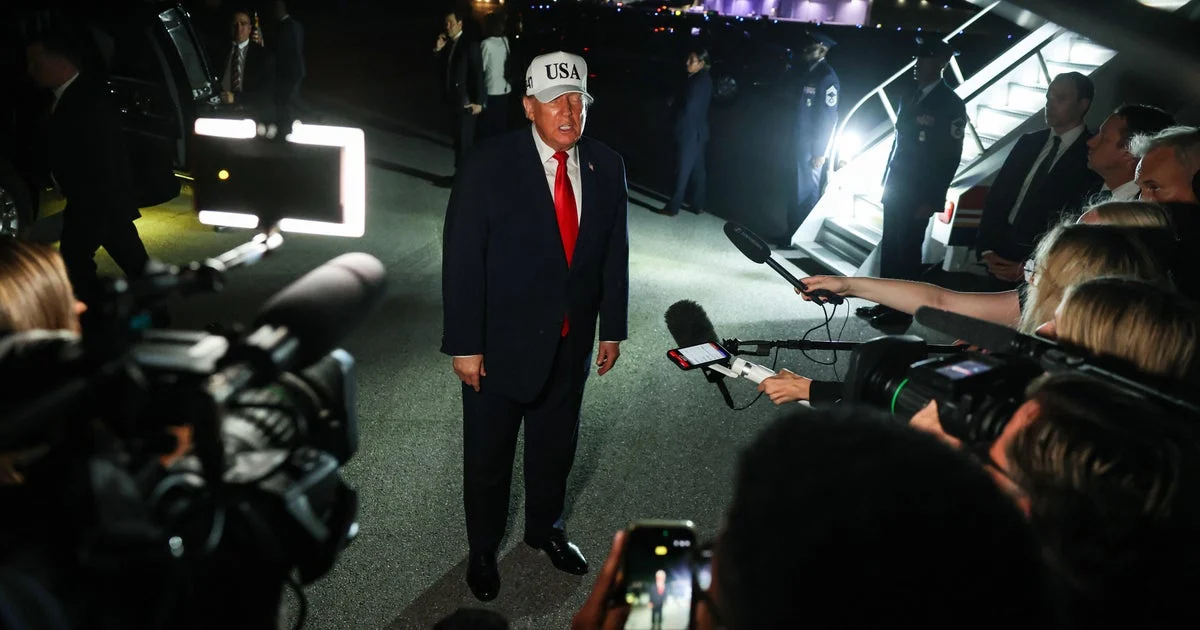
The United States military has escalated its posture in the Middle East, with U.S. Central Command (CENTCOM) confirming that American forces disabled a St. Kitts-flagged commercial vessel in the Gulf of Oman. The action came after the civilian crew repeatedly ignored direct warnings and attempted to breach the ongoing U.S. naval blockade against Iran. The vessel, identified as the M/V Huda, was targeted by precision munitions fired from a U.S. military aircraft, striking its stern after the crew failed to comply with orders to abandon targeted spaces.
This maritime confrontation highlights the widening scope of geopolitical friction involving the United States, Iran, and regional proxies. Against a backdrop of ongoing hostilities that began with joint U.S.-Israeli strikes in February, tensions have continued to ripple across international shipping lanes, diplomatic channels, and proxy conflict zones from Yemen to the Strait of Hormuz.
Maritime Blockade and Escalating Sea Confrontations
The interception of the M/V Huda underscores the strict enforcement of the U.S. naval blockade targeting Iranian ports. According to CENTCOM, the cargo vessel had recently visited an Iranian port and attempted to slip past regional patrols to depart the area. The military command issued a stark warning to all international shipping operators in the region, advising mariners to heed blockade directions from U.S. forces or face similar interdictions.
The blockade itself has fundamentally altered commercial traffic in the region since Iran established a chokehold on the Strait of Hormuz at the onset of the conflict. By the end of October, U.S. enforcement actions had successfully redirected 144 commercial vessels away from high-risk zones. However, the waters remain perilous. Throughout October, the region witnessed a record high of at least 30 attacks on commercial vessels, despite U.S. assurances that shipping lanes are secure.
Concurrently, Iranian state media and the Islamic Revolutionary Guard Corps (IRGC) reported multiple incidents involving oil tankers striking naval mines within or near the Strait of Hormuz. The IRGC claimed that multiple vessels attempting unauthorized transit routes struck mines and caught fire. While Washington has repeatedly accused Tehran of fabricating or exaggerating these maritime incidents to artificially drive up global energy prices, the psychological and economic impact on international trade remains profound.
Establishment of Task Force Iron Gate
Expanding beyond maritime security, the U.S. military announced the creation of a new specialized unit dubbed Task Force Iron Gate. Based in Florida and comprising approximately 20 civilian and military personnel, the task force is designed to disrupt illegal ground transportation and land-based smuggling routes utilized by Iran to bypass maritime sanctions.
Task Force Iron Gate aims to prevent the movement of advanced weapons systems, dual-use technologies, sanctioned materials, and illicit revenue streams across Iran’s land borders and through the Caspian Sea. With maritime ports largely closed off by the blockade, Tehran has increasingly relied on overland commerce—particularly via Central Asian railways with China, its largest trade partner—and direct shipping across the landlocked Caspian Sea with Russia. Trade networks connecting southwestern Russia and northern Iran have provided Tehran a vital economic lifeline, prompting Washington to broaden its sanction enforcement framework.
In tandem with these military measures, the U.S. Treasury Department, in coordination with the Canadian government, targeted digital asset providers in Vancouver and Toronto accused of helping Iranian entities launder funds, exchange rials, and evade international financial restrictions.
Regional Fallout: Houthi Strikes and Saudi Interceptions
The geopolitical shockwaves of the conflict continue to devastate peripheral zones, most notably in Yemen. Houthi media reported that Saudi-led coalition airstrikes in Yemen’s Sanaa province killed 22 people—predominantly women and children—and left 30 others wounded, drawing international concern over escalating civilian casualties. The United Nations reports that more than 1,600 people have been killed and over 300,000 displaced since active fighting resumed in the impoverished nation.
The escalation has also involved direct attacks on Saudi territory. The Saudi-led coalition announced the successful interception of multiple ballistic missiles and drones targeting locations including Najran, Riyadh province, and the Mecca and Medina regions. While the Houthi movement denied targeting Islam’s holiest sites, the persistent exchange of cross-border fire underscores the entrenched nature of regional proxy warfare.
Nuclear Posture and Diplomatic Maneuvering
Amid military maneuvers, the diplomatic landscape remains intensely fluid. The U.S. State Department’s Rewards for Justice program announced a reward of up to $20 million, accompanied by relocation offers, for actionable information regarding Iran’s nuclear program, facilities, equipment, and key personnel. The U.S. government emphasized that according to the International Atomic Energy Agency (IAEA), Iran has accumulated uranium enriched up to 60% purity—just a technical step away from the 90% weapons-grade threshold—following Tehran’s suspension of IAEA inspections after the June 2025 strikes.
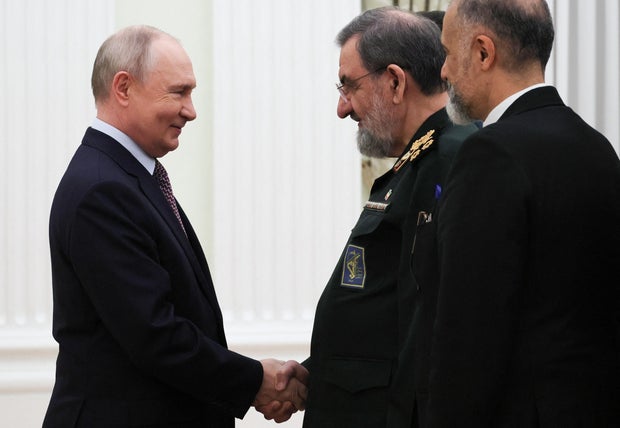
Simultaneously, Iran’s posture has grown increasingly defiant. The Islamic Revolutionary Guard Corps announced the official removal of its self-imposed 1,200-mile limit on ballistic missile ranges, signaling potential future developments capable of reaching broader regional targets. This shift follows warnings from Iranian leadership that any external threats will face a response free of geographic constraints.
High-level diplomatic contacts continue in parallel with military posturing. President Trump recently held discussions with the Emir of Qatar, Sheikh Tamim bin Hamad Al Thani, a key mediator in negotiations involving Iran. These talks coincide with regional visits by Iranian diplomats seeking to preserve stability, as well as preparations for Secretary of State Marco Rubio to address questions regarding U.S. Middle East policy during upcoming G7 foreign ministers meetings in France.
Economic Implications and Global Energy Markets
The prolonged confrontation has exerted significant influence over global economic indicators, particularly energy prices. Motorists in the United States and international markets have experienced notable fluctuations tied directly to the ebb and flow of Middle Eastern hostilities. Energy analysts, such as Patrick GasBuddy representatives, have projected that national average gas prices in the U.S. could soon drop below $4 a gallon, driven largely by market expectations that recent political developments, including U.S. midterm election outcomes, will pressure the administration toward diplomatic resolution rather than expanded military engagement.
Despite falling fuel costs at home, the broader economic architecture of the Middle East remains severely fractured. With Iranian infrastructure suffering extensive damage—estimated by President Trump to require a quarter-century to fully rebuild—and international powers locking down financial, maritime, and overland corridors, the region stands at a critical juncture. The balance between coercive enforcement and renewed diplomatic engagement will dictate whether the current tensions transition toward de-escalation or plunge the region into a wider conflagration.

