
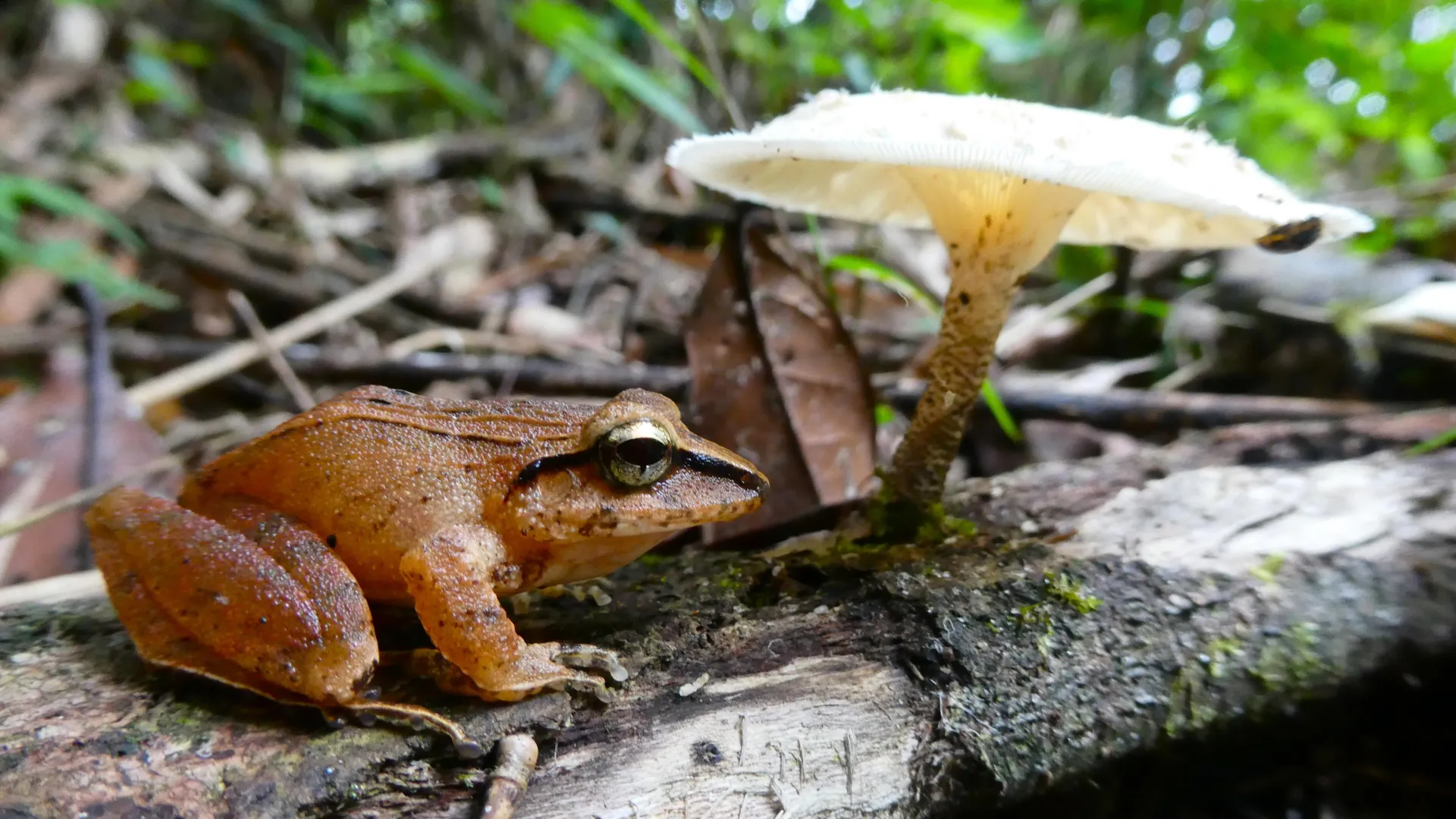
For nearly half a century, the silent forests of Brazil’s Atlantic region have harbored a haunting ecological secret: the sudden and unexplained disappearance of diverse amphibian populations that began in the late 1970s. This region, a biodiversity hotspot teeming with life, saw a precipitous drop in frog numbers that left researchers baffled for generations. Now, a groundbreaking study published in the journal Molecular Ecology has provided the most compelling evidence to date, identifying a lethal fungal pathogen as the primary driver of these historical die-offs. By leveraging the untapped potential of museum collections, researchers from the Smithsonian’s National Zoo and Conservation Biology Institute (NZCBI) and Pennsylvania State University (PSU) have finally closed a major cold case in wildlife epidemiology.
The Chronology of a Silent Catastrophe
The crisis began in the late 1970s, specifically centering on the Boracéia Biological Station in Brazil’s Atlantic Forest. Between 1979 and 1982, field researchers documented a terrifying trend: amphibian species that had once been ubiquitous were vanishing at an alarming rate. At the time, the scientific community lacked the tools to diagnose the cause. While some experts speculated that climate change or extreme weather events were to blame, the lack of a clear smoking gun turned these disappearances into an enduring mystery.
It was not until 1999 that the scientific community formally identified Batrachochytrium dendrobatidis (Bd)—the microscopic fungus responsible for chytridiomycosis, or "chytrid." This pathogen is believed to have originated in Asia before spreading globally via international trade and human travel during the 1970s and 1980s. By the time the fungus was identified, it had already triggered mass mortality events across the globe, driving hundreds of species toward the brink of extinction. Because the pathogen had decimated populations before it was officially described, establishing a causal link to historical disappearances remained an elusive challenge for decades.
Forensic Science and the Museum Archive
To solve the mystery, lead researcher Jack Boyette, a doctoral candidate at PSU and an NZCBI graduate fellow, turned to a unique, time-stamped resource: preserved frog specimens stored at the Smithsonian’s National Museum of Natural History. The collection, largely curated by William Ronald Heyer, included specimens gathered during five separate expeditions to Boracéia—two before the decline and three after the collapse.
This collection acted as a biological time capsule. By analyzing 370 specimens across 17 distinct species, the team could perform a longitudinal study of the forest’s health. The findings were stark. None of the frogs collected prior to 1979 tested positive for the fungus. However, in samples collected during the 1980s, over 50 percent of the specimens carried the pathogen. This correlation provided the "missing link," confirming that the arrival of the chytrid fungus at the Boracéia Biological Station coincided precisely with the onset of the mass population declines.
The Paradox of Infection and Mortality
One of the most counterintuitive aspects of the study involved the distribution of the fungus among the species. The researchers noted that species that suffered the most severe population crashes showed no detectable signs of the fungus in the preserved samples. Conversely, species that remained stable often carried the pathogen.
This anomaly can be explained by the speed and severity of the disease. In highly susceptible species, the infection likely caused such rapid mortality that individuals died before they could be captured and preserved by researchers. In contrast, the more stable populations appear to have developed a degree of tolerance. This suggests that the initial introduction of the fungus created an "epidemiological shock" to the ecosystem, where the most vulnerable species were wiped out before they could adapt, while those with inherent natural defenses survived to pass on those traits.
Modern Implications for Global Conservation
The implications of this study extend far beyond the borders of the Atlantic Forest. The ability to use museum specimens to reconstruct the history of an outbreak provides a blueprint for managing current and future threats to biodiversity. Michael Campana, a genomicist at NZCBI, highlighted that these collections hold data that the original collectors could never have anticipated. "Museum collectors could not have known how vital their work would be to modern conservation," Campana noted, emphasizing that without these archives, the origins of such epidemics would remain lost to history.
This retrospective approach is critical as the world faces new threats, such as the B. salamandrivorans (Bsal) fungus. Currently devastating salamander populations in Europe, Bsal poses a significant risk to North American amphibian populations. By understanding how chytrid behaved upon its initial introduction in the 1970s, scientists are better equipped to model the spread of future pathogens and implement early-warning systems or quarantine measures that could save vulnerable species.
Signs of Resilience and Recovery
Despite the grim history, the research offers a glimmer of hope. In recent surveys conducted between 2022 and 2024 at the Boracéia site, in collaboration with the University of São Paulo, researchers found that the forest is showing signs of resilience. Of the 17 species documented in Heyer’s original collection, 12 were located during modern field surveys. While five remain missing—raising concerns that they may be locally extinct—the majority of the amphibian community has rebounded.
The presence of the fungus remains a constant, but it is no longer the catastrophic force it once was. The research suggests that surviving populations have adapted, either through genetic evolution or the development of a more robust microbiome, allowing them to tolerate the pathogen. This shift from "epidemic" to "endemic" status provides a roadmap for how ecosystems might eventually recover from invasive disease outbreaks.
Future Research and Analytical Frontiers
The investigation is far from over. The research team is currently utilizing advanced DNA sequencing to delve deeper into the genetic mechanisms of survival. By comparing the DNA of historical specimens with those collected today, they hope to identify specific genetic markers that confer resistance to chytridiomycosis.
Furthermore, the team is exploring the use of "environmental DNA" (eDNA)—the genetic material left behind by organisms in water and soil. This technology allows researchers to detect the presence of species and pathogens even when physical specimens are absent, effectively filling the gaps left by traditional collection methods.
As climate change continues to alter habitats and increase the stress on wildlife, the intersection of genomics, historical ecology, and epidemiology becomes increasingly vital. The Boracéia study serves as a poignant reminder that while we cannot reverse the extinctions of the past, we can learn from them. By turning the spotlight back onto these "cold cases," scientists are not only solving the mysteries of yesterday but are also building the knowledge necessary to protect the biodiversity of tomorrow. The success of this study underscores a broader truth: the key to understanding the future of our natural world often lies hidden in the quiet, dusty shelves of our museums, waiting for the right questions to be asked.

